


Rubin Goldmark
Released Album
Chamber
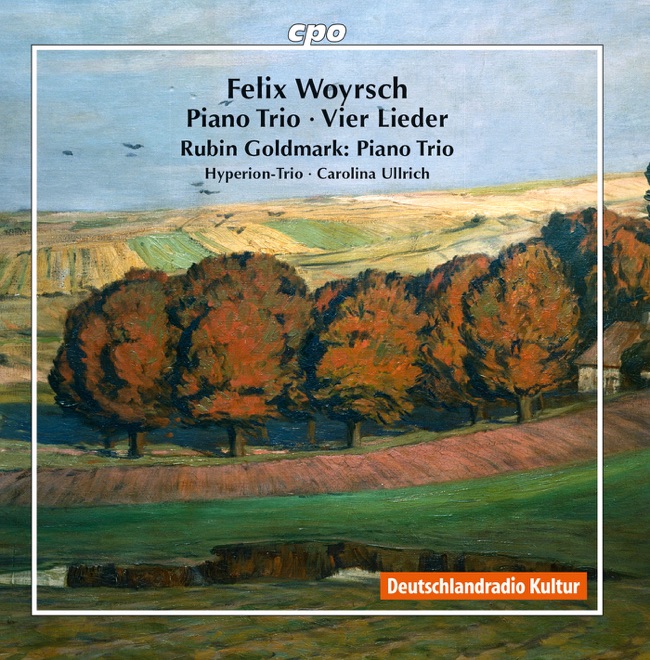
Keyboard
-
 November 3, 1998
Band
-
 July 14, 2009
Artist Info
Role:ComposerBirth:August 15, 1872Death:March 5, 1936Period:ModernGenre:KeyboardRubin Goldmark was an American composer and pianist who was born on December 3, 1872, in New York City. He was the youngest of six children born to Hungarian Jewish immigrants. His father, Joseph Goldmark, was a successful businessman who had emigrated from Hungary to the United States in 1850. His mother, Regina Weisz, was also from Hungary and had come to the United States in 1860. Goldmark showed an early interest in music and began taking piano lessons at the age of six. He was a prodigious talent and quickly progressed, eventually studying with some of the most prominent teachers of the time, including Rafael Joseffy and Ernst Perabo. He also studied composition with the renowned composer and teacher, Antonín Dvořák, who was then teaching at the National Conservatory of Music in New York City. In 1892, Goldmark graduated from Columbia University with a degree in music. He then traveled to Europe to continue his studies, spending time in Berlin, Vienna, and Paris. While in Europe, he studied with some of the most prominent composers of the time, including Engelbert Humperdinck, Max Bruch, and Vincent d'Indy. Upon his return to the United States in 1895, Goldmark began a successful career as a composer and pianist. He quickly established himself as one of the leading composers of his generation, and his works were performed by some of the most prominent orchestras and conductors of the time. One of Goldmark's most significant works is his opera, "The Queen of Sheba," which premiered in 1913. The opera is based on the biblical story of the Queen of Sheba's visit to King Solomon and is notable for its lush orchestration and exotic harmonies. The opera was a critical and commercial success and was performed by many of the leading opera companies of the time. Goldmark also composed a significant amount of chamber music, including several string quartets and piano trios. His chamber music is notable for its lyricism and expressive melodies, as well as its use of chromatic harmonies and complex rhythms. In addition to his work as a composer, Goldmark was also a respected teacher and music theorist. He taught at the National Conservatory of Music in New York City and later at the Juilliard School of Music. He also wrote several influential books on music theory, including "Practical Harmony" and "Modern Harmony in Its Theory and Practice." Goldmark's music was influenced by a wide range of styles and genres, including the music of Wagner, Brahms, and Debussy. His works are characterized by their lush harmonies, expressive melodies, and complex rhythms. He was also known for his use of chromaticism and his incorporation of folk melodies and exotic harmonies into his compositions. Despite his success as a composer and teacher, Goldmark's career was cut short by his untimely death in 1936. He died of a heart attack at the age of 63, leaving behind a legacy of innovative and expressive music that continues to be performed and admired to this day.More....
Recent Artist Music
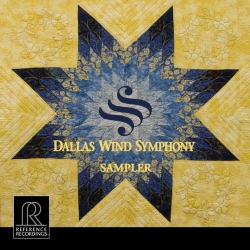
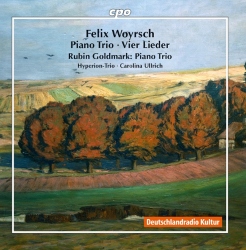
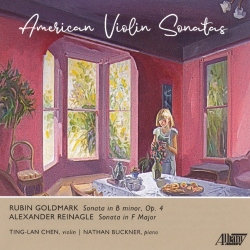
Copyright Ⓒ 2013 Davinci Finger. All rights reseved
Service Terms & Policy