


Oscar Esplá
Released Album
Keyboard
-
 June 9, 2015
 -
 December 18, 2012
 -
 October 26, 2006
 -
 May 26, 1998
Vocal
-
-
 September 7, 2004
 -
 1986
1986
Chamber
-
 February 7, 2020
 -
 November 30, 2010
 -
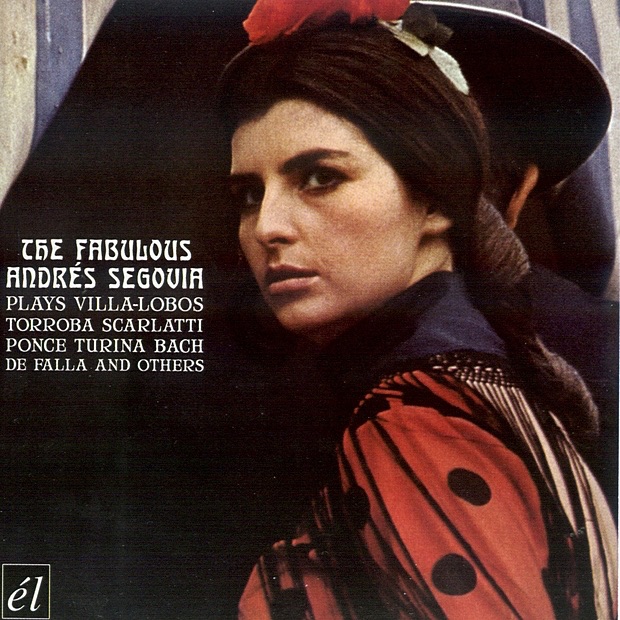 May 4, 2007
 -
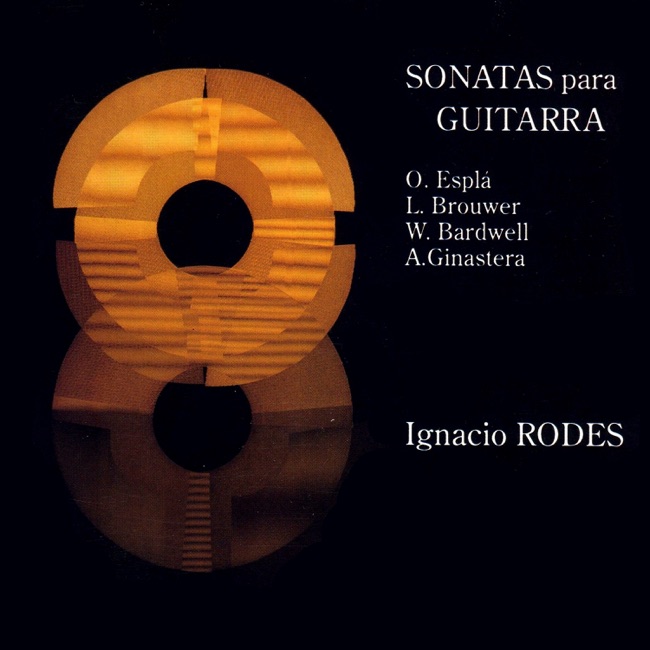 April 18, 1995
 -
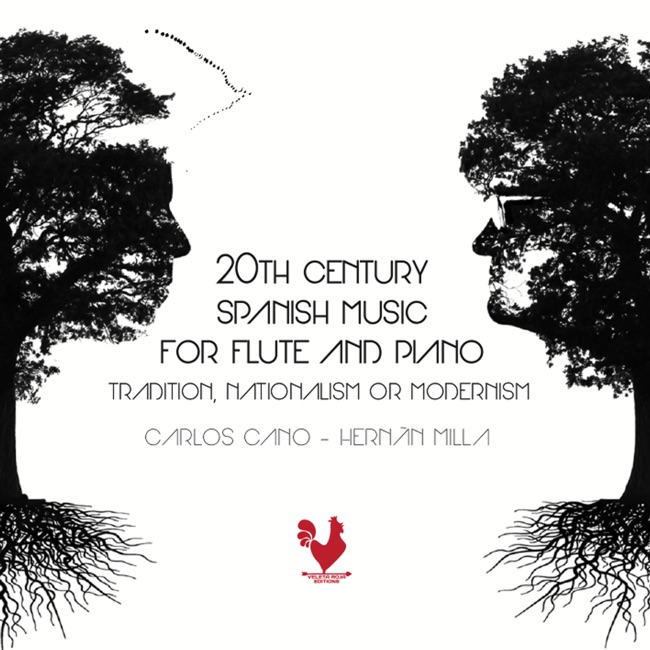
Concerto
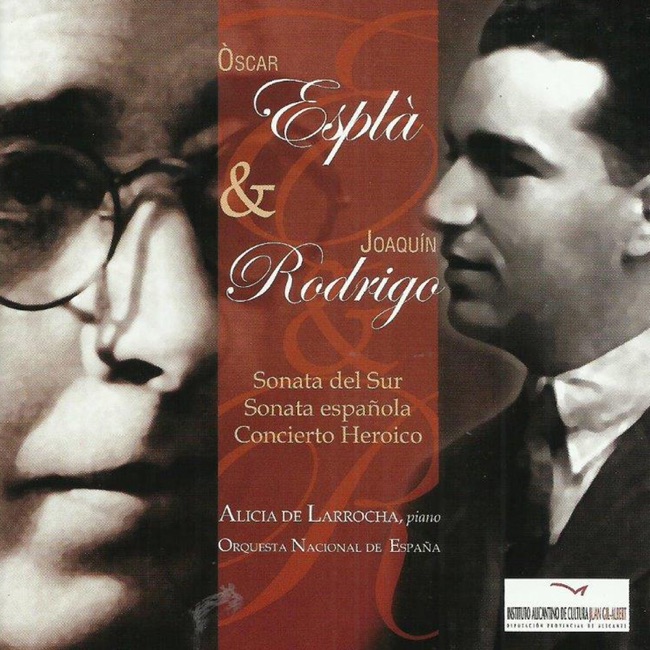
Artist Info
Role:ComposerBirth:August 5, 1886Death:January 6, 1976Period:ContemporaryModernGenre:ChamberConcertoKeyboardVocalOscar Esplá was a Spanish composer and musicologist who was born on August 5, 1886, in Alicante, Spain. He was the son of a wealthy family and was exposed to music from a young age. His father was a music lover and had a large collection of musical instruments, which Oscar was allowed to play with. This early exposure to music sparked his interest in the art form, and he began to study music at a young age. Esplá's musical education began at the Conservatory of Music in Madrid, where he studied piano, harmony, and composition. He was a talented student and quickly gained recognition for his musical abilities. In 1906, he won a scholarship to study in Paris, where he continued his musical education at the Schola Cantorum. While in Paris, he studied with some of the most prominent composers of the time, including Vincent d'Indy and Charles-Marie Widor. After completing his studies in Paris, Esplá returned to Spain and began to establish himself as a composer. He quickly gained a reputation for his innovative and modern approach to music, which was influenced by his time in Paris. His early works were characterized by their use of dissonance and unconventional harmonies, which set him apart from other Spanish composers of the time. Esplá's first major success came in 1916, with the premiere of his opera "La Noche del Encierro" (The Night of the Encierro). The opera was based on a popular Spanish folk tale and was well-received by audiences and critics alike. It established Esplá as one of the leading composers of his generation and helped to cement his reputation as a modernist composer. Throughout the 1920s and 1930s, Esplá continued to compose music in a variety of genres, including orchestral works, chamber music, and choral music. He was particularly interested in the music of his native Spain and often incorporated elements of Spanish folk music into his compositions. His music was characterized by its rhythmic complexity and use of unconventional harmonies, which set him apart from other Spanish composers of the time. Esplá's most famous work is his "Sinfonía Mediterránea" (Mediterranean Symphony), which was composed in 1943. The symphony is a tribute to the Mediterranean Sea and is divided into four movements, each of which represents a different aspect of the sea. The work is characterized by its use of Spanish folk melodies and rhythms, as well as its lush orchestration and complex harmonies. It is considered to be one of the most important works of Spanish classical music and is still performed regularly today. In addition to his work as a composer, Esplá was also a respected musicologist and educator. He wrote extensively on the music of Spain and was a professor of music at the Conservatory of Music in Madrid. He was also a member of the Royal Academy of Fine Arts of San Fernando and was awarded numerous honors and awards throughout his career. Esplá died on January 6, 1976, in Madrid, Spain. He is remembered as one of the most important Spanish composers of the 20th century and his music continues to be performed and studied today. His innovative approach to music and his use of Spanish folk music have had a lasting impact on the classical music world and his legacy continues to inspire new generations of composers and musicians.More....
Recent Artist Music
15

13:46
Copyright Ⓒ 2013 Davinci Finger. All rights reseved
Service Terms & Policy