


Wolf Kerschek
Released Album
Chamber
-
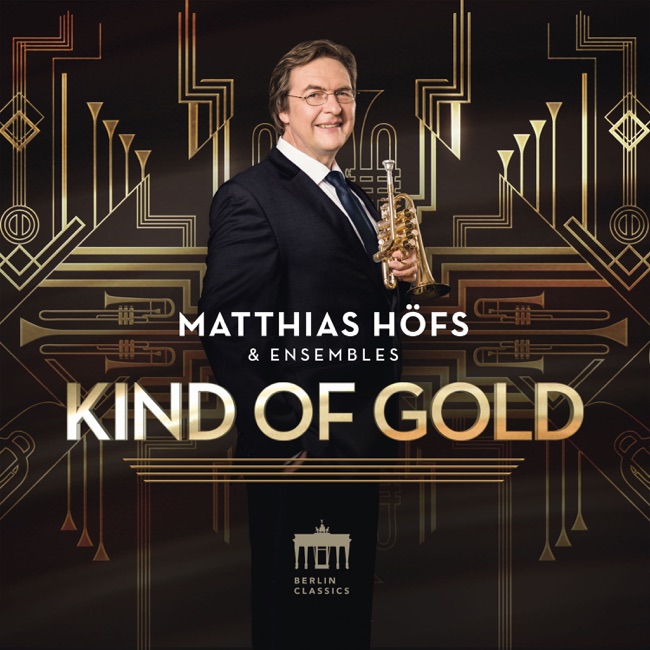 November 16, 2018
 -
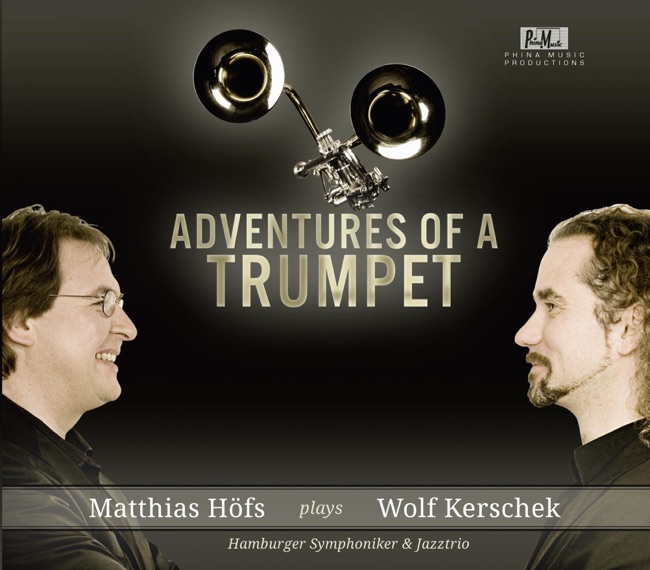 December 12, 2011
Choral
-
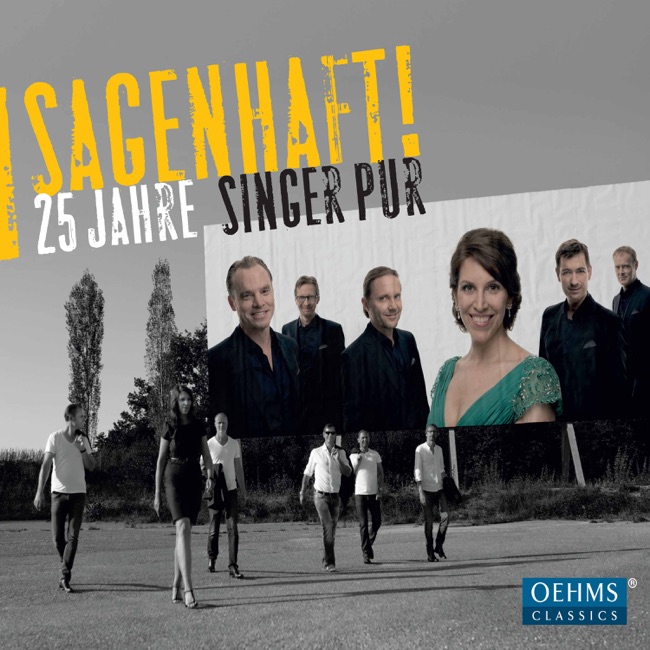 March 17, 2017
Artist Info
Role:ComposerWolf Kerschek was a German composer born on January 1, 1955, in the city of Berlin. He grew up in a family of musicians, with his father being a pianist and his mother a singer. From a young age, Kerschek showed a keen interest in music and began playing the piano at the age of six. Kerschek's musical education began at the Hochschule für Musik "Hanns Eisler" in Berlin, where he studied composition under the tutelage of Ruth Zechlin. He also studied piano with Klaus Hellwig and conducting with Rolf Reuter. Kerschek's early works were heavily influenced by the music of Arnold Schoenberg and Alban Berg, and he was particularly interested in the twelve-tone technique. In 1979, Kerschek completed his studies at the Hochschule für Musik and began working as a freelance composer. He quickly gained recognition for his innovative and experimental approach to composition, and his works were performed at festivals and concerts throughout Germany and Europe. One of Kerschek's early works, "Drei Lieder nach Gedichten von Georg Trakl" (Three Songs based on Poems by Georg Trakl), was premiered in 1981 and received critical acclaim. The songs, which were written for soprano and piano, showcased Kerschek's skillful use of dissonance and his ability to create a haunting and atmospheric sound world. Throughout the 1980s, Kerschek continued to experiment with different compositional techniques and styles. He was particularly interested in the use of electronics in music and began incorporating electronic sounds into his works. One of his most notable works from this period was "Klangfarben" (Sound Colors), a piece for orchestra and electronics that was premiered in 1986. In the 1990s, Kerschek's music became more tonal and melodic, and he began incorporating elements of traditional German folk music into his works. One of his most popular works from this period was "Die sieben Todsünden" (The Seven Deadly Sins), a song cycle based on the seven deadly sins. The cycle, which was written for mezzo-soprano and piano, was premiered in 1994 and was later arranged for orchestra. Kerschek's later works continued to explore the intersection of traditional and experimental music. One of his most recent works, "Die Nachtigall" (The Nightingale), was premiered in 2015 and was based on a poem by Hans Christian Andersen. The piece, which was written for soprano, flute, and piano, combined elements of classical music with folk music and featured a haunting and ethereal sound. Throughout his career, Kerschek received numerous awards and honors for his contributions to music. In 1995, he was awarded the Berlin Art Prize, and in 2005, he was awarded the Order of Merit of Berlin. He was also a member of the Berlin Academy of Arts and served as a professor of composition at the Hochschule für Musik "Hanns Eisler" in Berlin. Kerschek's music continues to be performed and celebrated today, and his innovative and experimental approach to composition has had a lasting impact on the world of classical music. His works are characterized by their haunting and atmospheric sound, their use of dissonance and electronic sounds, and their incorporation of traditional German folk music. Kerschek's legacy as a composer and musician is a testament to his dedication to pushing the boundaries of classical music and exploring new and innovative ways of creating sound.More....
Recent Artist Music
Copyright Ⓒ 2013 Davinci Finger. All rights reseved
Service Terms & Policy