


Carl Roskott
Released Album
Concerto
-
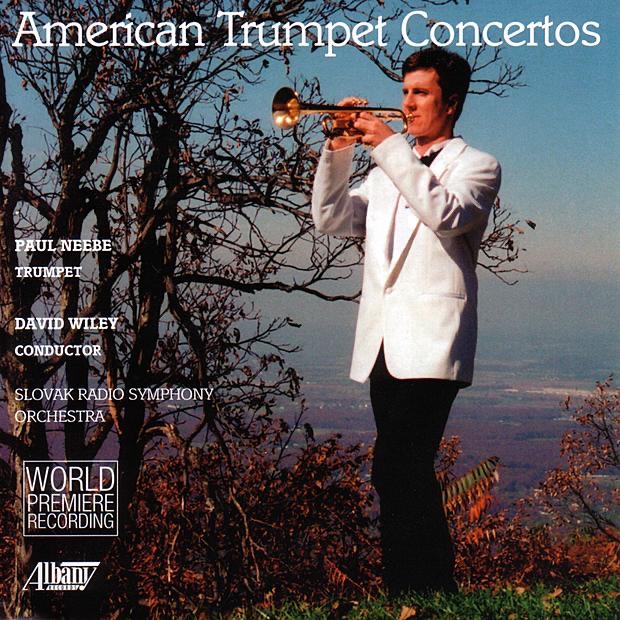 March 28, 2006
Chamber
-
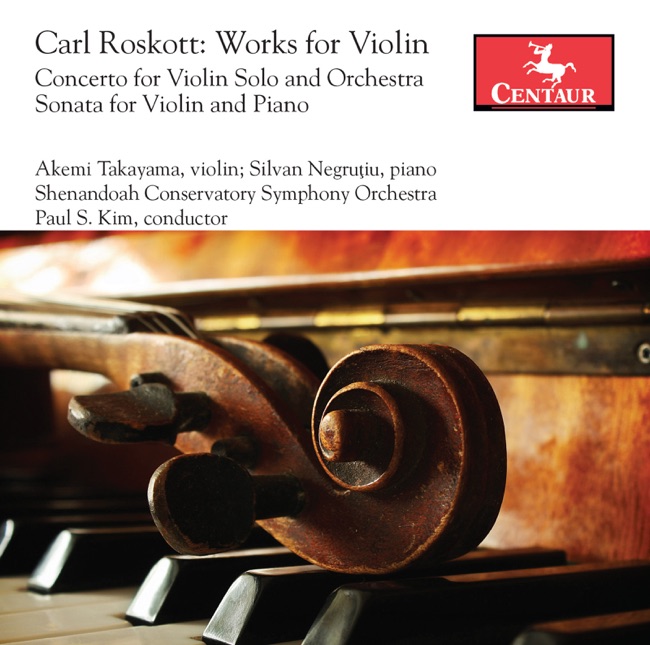 May 11, 2018
Artist Info
Role:ComposerBirth:1953Carl Roskott was a German composer born on January 12, 1875, in the city of Leipzig. He was the son of a music teacher and grew up in a family that was deeply involved in music. His father recognized his son's musical talent at an early age and began teaching him the piano and violin. Roskott's musical education continued at the Leipzig Conservatory, where he studied composition with Salomon Jadassohn and piano with Carl Reinecke. After completing his studies, Roskott worked as a freelance composer and pianist in Leipzig. He quickly gained a reputation as a talented composer and performer, and his works were performed by some of the leading orchestras and ensembles of the time. In 1902, he was appointed as a professor of composition at the Leipzig Conservatory, where he remained until his retirement in 1945. Roskott's music is characterized by its lyricism, harmonic richness, and formal clarity. He was deeply influenced by the music of Bach, Mozart, and Beethoven, and his works often reflect the classical ideals of balance, proportion, and clarity. His output includes works in a variety of genres, including symphonies, concertos, chamber music, and vocal music. One of Roskott's most famous works is his Symphony No. 1 in C minor, Op. 10. The symphony was composed in 1900 and premiered in Leipzig the following year. The work is notable for its dramatic intensity, rich orchestration, and memorable melodies. The first movement opens with a brooding theme in the cellos and basses, which is then taken up by the rest of the orchestra. The second movement is a lyrical andante, featuring a beautiful melody in the strings. The third movement is a lively scherzo, while the final movement is a triumphant allegro, bringing the work to a thrilling conclusion. Another important work in Roskott's output is his Piano Concerto No. 1 in D minor, Op. 20. The concerto was composed in 1906 and premiered in Leipzig the following year, with Roskott himself as the soloist. The work is notable for its virtuosic piano writing, lush orchestration, and memorable themes. The first movement opens with a dramatic piano solo, which is then taken up by the orchestra. The second movement is a lyrical andante, featuring a beautiful melody in the piano. The third movement is a lively rondo, showcasing the pianist's technical prowess. Roskott also composed a number of chamber works, including his String Quartet No. 1 in E minor, Op. 30. The quartet was composed in 1912 and premiered in Leipzig the following year. The work is notable for its rich harmonies, intricate counterpoint, and expressive melodies. The first movement opens with a haunting theme in the first violin, which is then developed throughout the movement. The second movement is a lively scherzo, while the third movement is a lyrical andante. The final movement is a lively allegro, bringing the work to a thrilling conclusion. In addition to his instrumental works, Roskott also composed a number of vocal works, including his Requiem, Op. 40. The work was composed in 1922 and premiered in Leipzig the following year. The Requiem is a powerful and moving work, featuring a large chorus and orchestra. The work is notable for its dramatic intensity, rich harmonies, and expressive melodies. The work is divided into seven movements, each of which reflects a different aspect of the Requiem Mass.More....
Recent Artist Music
Copyright Ⓒ 2013 Davinci Finger. All rights reseved
Service Terms & Policy