


Margaret Sutherland
Released Album
Vocal
-
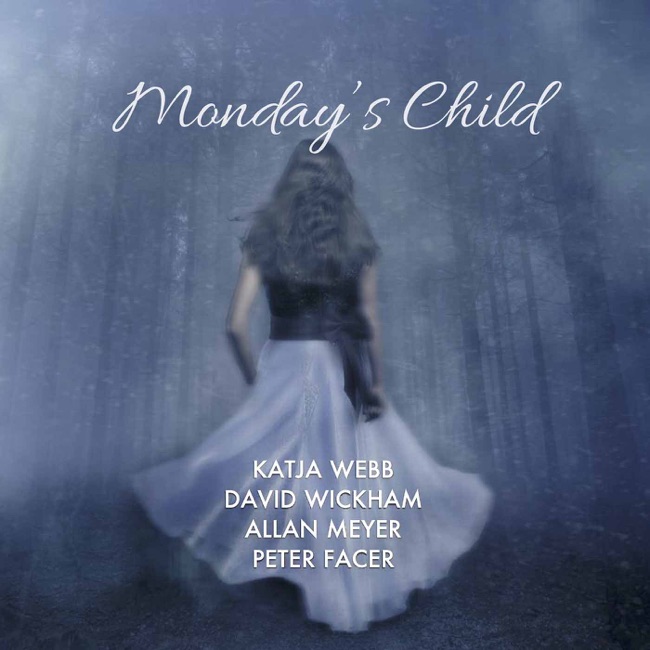 May 6, 2016
 -
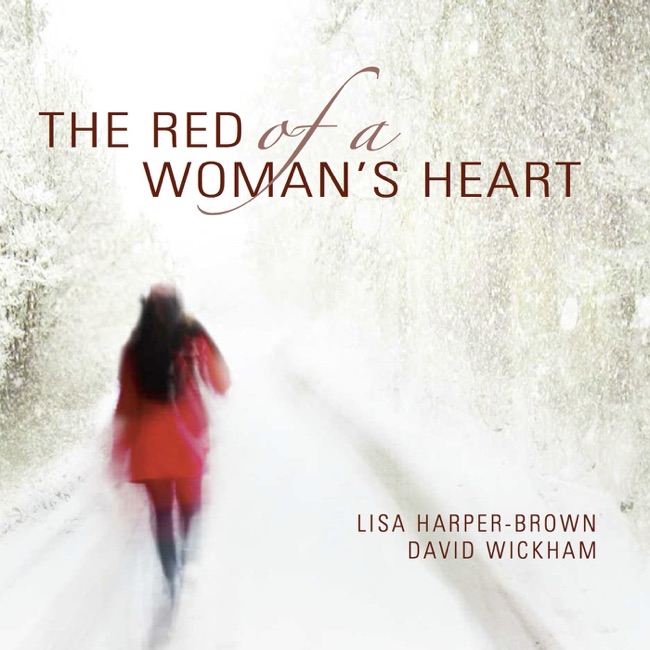 March 3, 2014
Orchestral
-
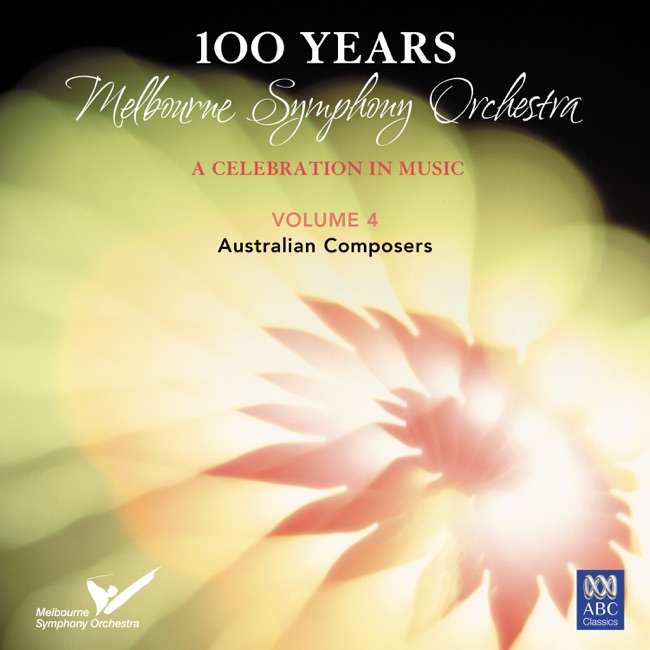 June 1, 2007
Keyboard
-
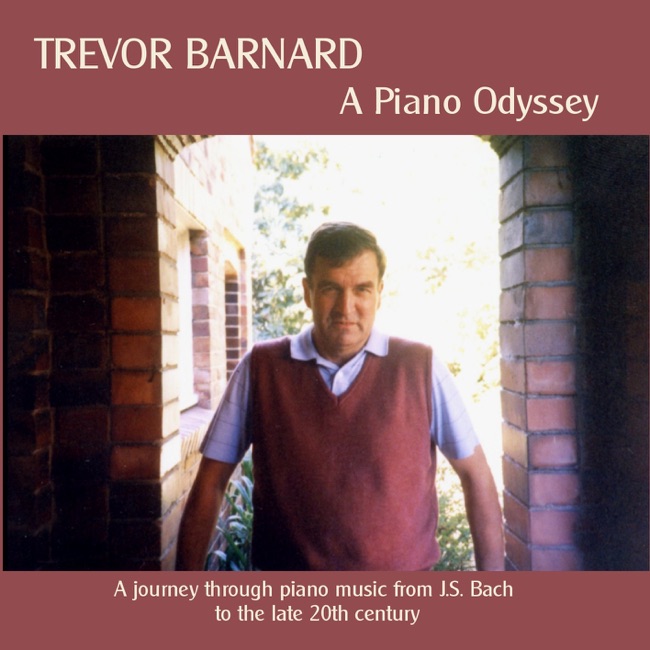 July 8, 2008
 -
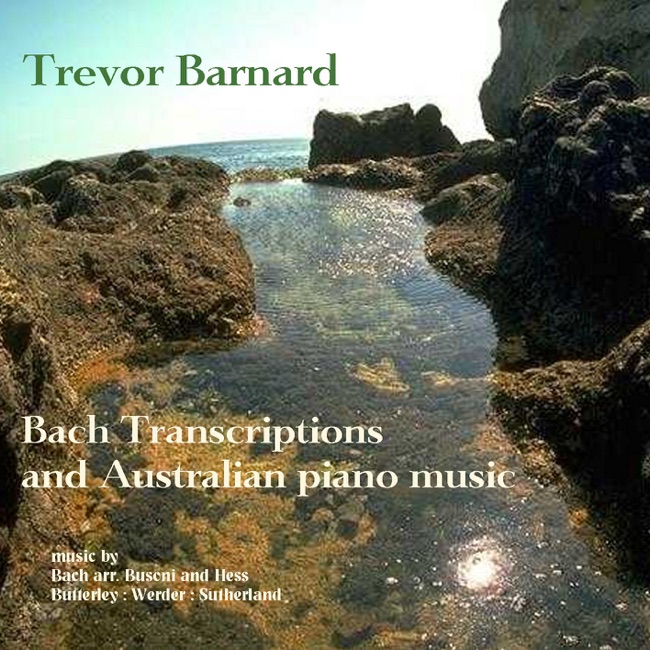 August 21, 2001
Artist Info
Role:ComposerCountry: AustraliaBirth:November 20, 1897Death:1984Period:ModernGenre:ChamberKeyboardMargaret Sutherland was an Australian composer who was born on November 13, 1897, in Adelaide, South Australia. She was the youngest of six children and grew up in a musical family. Her father, William Sutherland, was a violinist and conductor, and her mother, Mary, was a pianist. Margaret showed an early interest in music and began playing the piano at the age of four. Sutherland's family moved to Melbourne when she was six years old, and she continued her musical education there. She studied piano with Alberto Zelman and composition with Fritz Hart, who was a prominent Australian composer at the time. Sutherland was a talented student and won several awards for her compositions while still in her teens. In 1916, Sutherland began studying at the University of Melbourne, where she earned a Bachelor of Music degree in 1920. She continued her studies in composition with Fritz Hart and also studied counterpoint with George Marshall-Hall. Sutherland was one of the first women to study music at the University of Melbourne, and she faced some discrimination because of her gender. However, she persevered and became one of the most respected composers in Australia. Sutherland's early compositions were influenced by the Romantic style of music, but she later developed her own unique style. She was interested in using Australian themes and motifs in her music, and she also experimented with atonal and serial techniques. Sutherland's music was often complex and challenging, but it was also deeply emotional and expressive. Sutherland's first major work was her Sonata for Piano, which she composed in 1923. The sonata was well-received and helped establish Sutherland as a serious composer. She continued to compose throughout the 1920s and 1930s, and her works were performed by leading Australian musicians and ensembles. One of Sutherland's most famous works is her Violin Concerto, which she composed in 1940. The concerto is a powerful and emotional work that showcases Sutherland's skill as a composer. It was premiered by the Melbourne Symphony Orchestra in 1941, with the renowned violinist Alma Moodie as the soloist. The concerto was a critical and popular success, and it remains one of Sutherland's most beloved works. During World War II, Sutherland worked as a music critic for the Melbourne Herald. She was a strong advocate for Australian music and wrote many articles promoting the work of Australian composers. Sutherland also continued to compose during this time, and her music became more experimental and avant-garde. In the 1950s and 1960s, Sutherland's music was performed more widely outside of Australia. She received commissions from international ensembles and was invited to attend music festivals in Europe and the United States. Sutherland's music was praised for its originality and emotional depth, and she became known as one of the leading composers of her generation. Sutherland's later works include her Symphony No. 1, which she composed in 1951, and her String Quartet No. 1, which she composed in 1952. Both works are complex and challenging, but they also contain moments of great beauty and emotional intensity. Sutherland continued to compose until her death in 1984, and her music remains an important part of the Australian classical music canon. In addition to her work as a composer, Sutherland was also a teacher and mentor to many young Australian musicians.More....
Recent Artist Music

Copyright Ⓒ 2013 Davinci Finger. All rights reseved
Service Terms & Policy