


Pietro Alessandro Guglielmi
Released Album
Opera
-
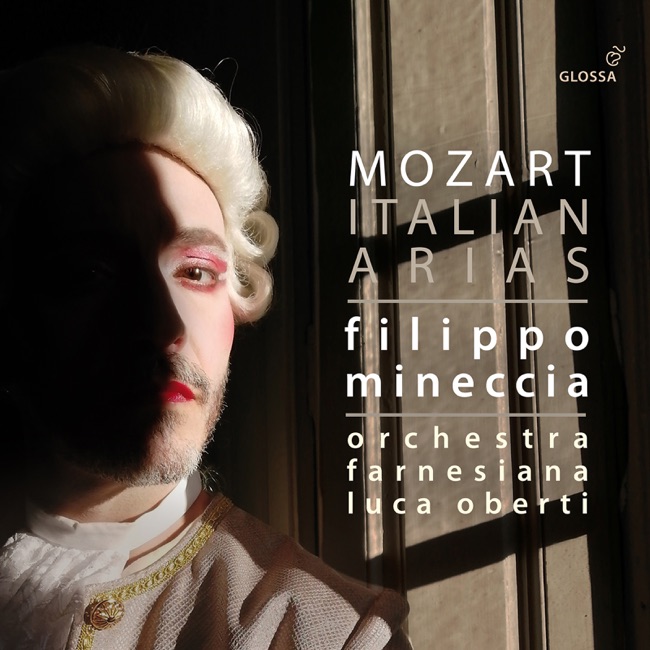 September 16, 2022
Orchestral
-
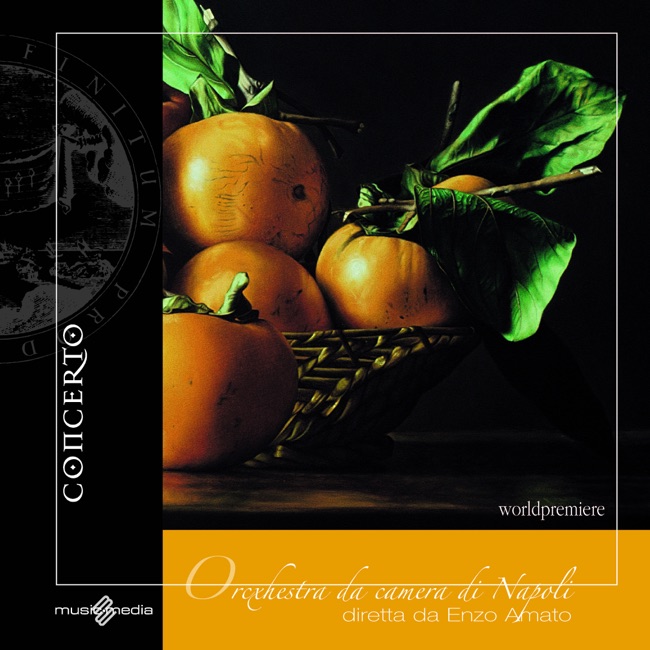 February 24, 2009
Artist Info
Role:ComposerPeriod:ClassicalGenre:KeyboardPietro Alessandro Guglielmi was an Italian composer of the classical era, born on December 9, 1728, in Massa di Carrara, Tuscany. He was the son of a musician, and his father, Domenico Guglielmi, was a violinist and composer. Pietro Alessandro Guglielmi showed an early interest in music and began his musical education under his father's guidance. Guglielmi's talent was recognized at a young age, and he was sent to study in Naples, one of the most important musical centers of the time. There, he studied with the renowned composer Francesco Durante, who was also the teacher of other famous composers such as Niccolò Jommelli and Giovanni Paisiello. In 1752, Guglielmi moved to Rome, where he worked as a composer and conductor. He quickly gained a reputation as a talented composer, and his works were performed in some of the most prestigious venues in the city. In 1754, he was appointed as the maestro di cappella of the Basilica di San Giovanni in Laterano, one of the most important churches in Rome. Guglielmi's music was characterized by its elegance, simplicity, and lyricism. He was particularly skilled in writing vocal music, and his operas, oratorios, and cantatas were highly regarded. His music was also influenced by the galant style, which was popular in the mid-18th century and emphasized melody and clarity. One of Guglielmi's most famous works is the opera "La serva padrona," which was first performed in 1752. The opera is a comic intermezzo, a short work that was performed between the acts of a larger opera. "La serva padrona" tells the story of a maid, Serpina, who tricks her master, Uberto, into marrying her. The opera was a huge success and was performed all over Europe. It is still performed today and is considered one of the most important works of the 18th century. Another important work by Guglielmi is the oratorio "La passione di Gesù Cristo," which was first performed in 1760. The oratorio tells the story of the Passion of Christ and is divided into three parts: the Last Supper, the Crucifixion, and the Resurrection. The work is notable for its dramatic intensity and emotional power. Guglielmi also wrote a number of cantatas, which were short vocal works that were often performed in private settings. One of his most famous cantatas is "Il mio ben quando verrà," which was written in 1755. The cantata is a love song that tells the story of a woman waiting for her lover to return. The work is notable for its beautiful melody and expressive lyrics. In addition to his work as a composer, Guglielmi was also a respected conductor. He conducted performances of his own works as well as those of other composers. He was particularly skilled in conducting vocal music and was known for his ability to bring out the best in singers. Guglielmi's career was not without its challenges. In 1762, he was accused of plagiarism by the composer Christoph Willibald Gluck. Gluck claimed that Guglielmi had copied one of his works, and the accusation caused a scandal in the musical world. Guglielmi denied the accusation, and the matter was eventually resolved, but it damaged his reputation. Despite this setback, Guglielmi continued to compose and conduct throughout his life. He died on November 19, 1804, in Rome, at the age of 75.More....
Recent Artist Music

Copyright Ⓒ 2013 Davinci Finger. All rights reseved
Service Terms & Policy