


Pietro Rigacci
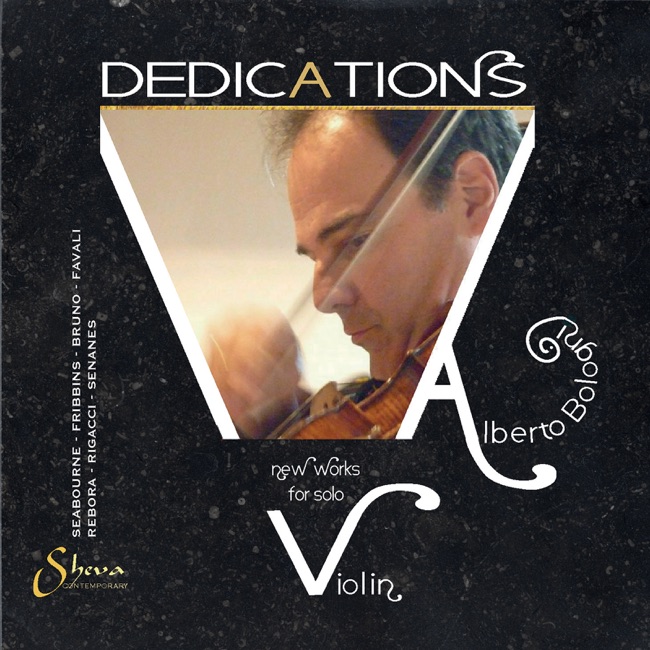
Artist Info
Role:ComposerPietro Rigacci was an Italian composer born on January 1, 1919, in Florence, Italy. He was the son of a music teacher and grew up in a family that was passionate about music. His father, Luigi Rigacci, was a well-known composer and conductor in Florence, and his mother, Maria, was a pianist. Pietro showed an early interest in music and began studying the piano at the age of six. Rigacci's musical education began at the Conservatory of Florence, where he studied composition with Giulio Cesare Paribeni and piano with Carlo Vidusso. He graduated in 1941 with a degree in composition and began his career as a composer. His early works were influenced by the Italian neoclassical style, which was popular at the time. During World War II, Rigacci served in the Italian army and was captured by the Germans. He spent two years in a prisoner of war camp in Germany, where he continued to compose music. After the war, he returned to Florence and resumed his career as a composer. Rigacci's music was characterized by its lyricism, clarity, and elegance. He was a master of melody and harmony and was known for his ability to create beautiful and memorable tunes. His music was often inspired by the Italian landscape and culture, and he was particularly interested in the music of the Renaissance and Baroque periods. One of Rigacci's most famous works is his Concerto for Guitar and Orchestra, which was composed in 1963. The concerto was written for the Spanish guitarist Andrés Segovia, who premiered the work in Florence in 1964. The concerto is a beautiful and virtuosic piece that showcases the guitar's expressive capabilities. It has become one of the most popular works in the guitar repertoire and is still performed regularly today. Another notable work by Rigacci is his Symphony No. 1, which was composed in 1952. The symphony is a beautiful and lyrical work that is characterized by its rich harmonies and expressive melodies. It was premiered in Florence in 1953 and was well-received by audiences and critics alike. Rigacci also composed a number of chamber works, including string quartets, sonatas for violin and piano, and a trio for flute, violin, and cello. His chamber music is characterized by its intimacy and lyricism and is often inspired by the Italian landscape and culture. In addition to his work as a composer, Rigacci was also a respected music educator. He taught composition at the Conservatory of Florence for many years and was a mentor to a number of young composers. His students included the Italian composer Franco Donatoni, who went on to become one of the most important composers of the 20th century. Rigacci continued to compose music throughout his life and was active as a composer until his death in 2002. His music has been performed and recorded by some of the world's leading musicians and orchestras, and his legacy as a composer and educator continues to inspire new generations of musicians. In conclusion, Pietro Rigacci was a talented and influential composer who made significant contributions to the world of classical music. His music was characterized by its lyricism, clarity, and elegance, and he was a master of melody and harmony. His Concerto for Guitar and Orchestra and Symphony No. 1 are among his most famous works, and his chamber music is also highly regarded.More....
Recent Artist Music
Copyright Ⓒ 2013 Davinci Finger. All rights reseved
Service Terms & Policy