


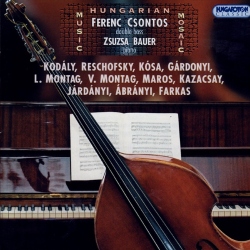
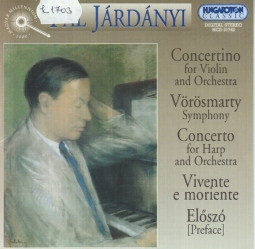
Pál Járdányi
Released Album
Chamber
-
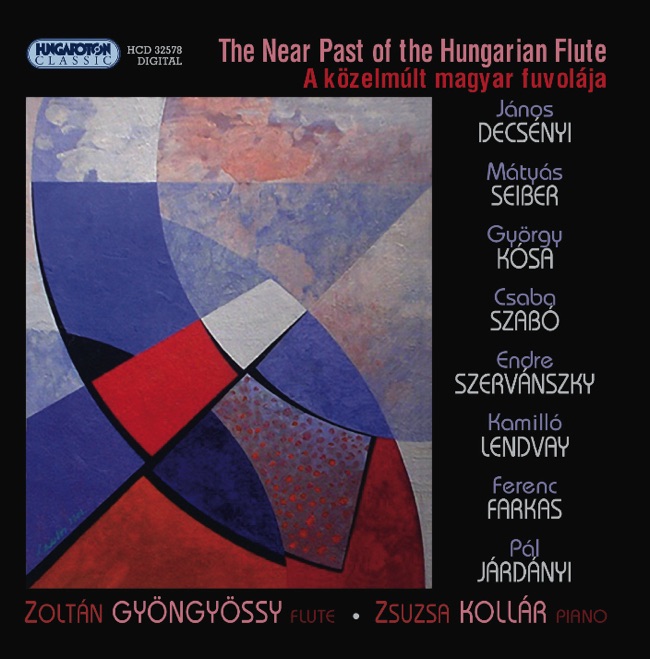 April 8, 2008
 -
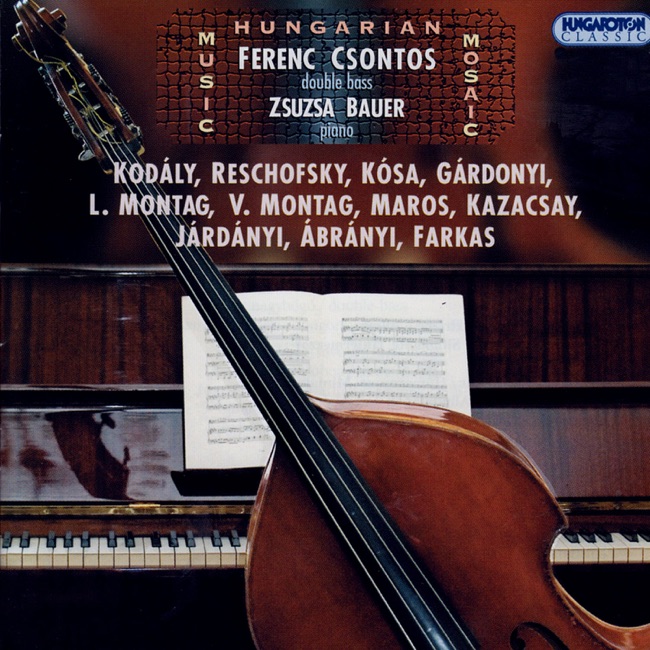 October 27, 2005
Symphony
-
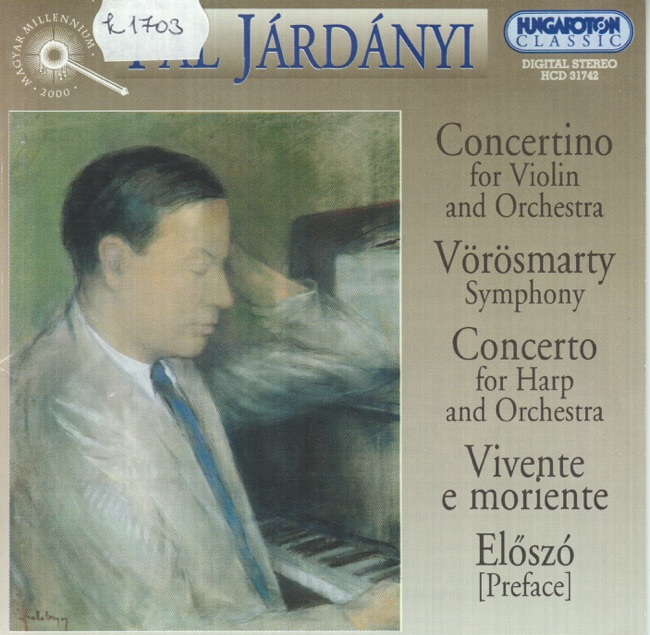 July 24, 2001
Artist Info
Role:ComposerBirth:1920Death:1966Period:ModernGenre:ChamberChoralConcertoOrchestralSymphonyPál Járdányi was a Hungarian composer who was born on October 30, 1920, in Budapest, Hungary. He was the son of a music teacher and grew up in a musical family. His father, László Járdányi, was a composer and music teacher, and his mother, Ilona Járdányi, was a pianist. Pál Járdányi showed an early interest in music and began studying the piano and composition at a young age. Járdányi attended the Franz Liszt Academy of Music in Budapest, where he studied composition with Zoltán Kodály and piano with Béla Bartók. He graduated in 1943 and began his career as a composer and music teacher. He taught at the Franz Liszt Academy of Music from 1945 to 1950 and then at the Budapest Conservatory from 1950 to 1956. Járdányi's early works were influenced by the folk music of Hungary and the music of Bartók and Kodály. His first major work was his Piano Concerto No. 1, which he composed in 1943. The concerto was well-received and helped establish Járdányi as a promising young composer. In the 1950s, Járdányi's music began to shift away from folk influences and towards a more modernist style. He became interested in serialism and began incorporating serial techniques into his compositions. His Symphony No. 1, which he composed in 1953, is an example of this new style. Járdányi's most famous work is his opera, The Bánk Bán, which he composed in 1958. The opera is based on a Hungarian folk tale and tells the story of a nobleman who seeks revenge against his unfaithful wife. The Bánk Bán was a critical and commercial success and is still performed regularly in Hungary today. In the 1960s, Járdányi's music became more experimental and avant-garde. He began incorporating electronic music into his compositions and experimented with new forms and structures. His Symphony No. 2, which he composed in 1963, is an example of this new style. Járdányi continued to compose throughout the 1970s and 1980s, but his output slowed down as he focused more on teaching and conducting. He taught at the Franz Liszt Academy of Music from 1960 to 1985 and was also the conductor of the Hungarian Radio Symphony Orchestra from 1967 to 1979. Járdányi's music is characterized by its use of Hungarian folk music, its modernist style, and its experimentation with new forms and structures. His works include orchestral pieces, chamber music, operas, and choral works. Some of his most famous works include his Piano Concerto No. 1, Symphony No. 1, The Bánk Bán, and Symphony No. 2. Járdányi died on August 28, 1966, in Budapest, Hungary. He is remembered as one of Hungary's most important composers of the 20th century and his music continues to be performed and studied today.More....
Copyright Ⓒ 2013 Davinci Finger. All rights reseved
Service Terms & Policy