


Louis Mordish
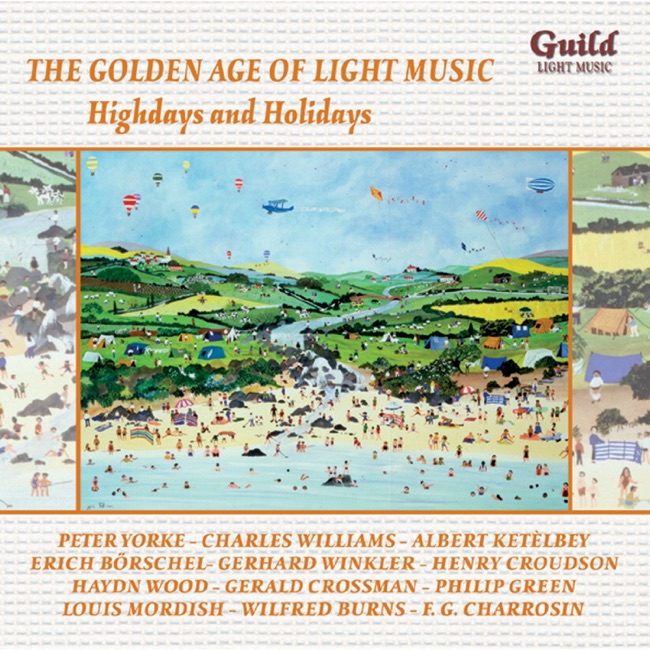
Artist Info
Role:ComposerBirth:1908Death:1996Louis Mordish was a British composer and pianist who was born on May 22, 1902, in London, England. He was the youngest of four children born to a family of musicians. His father, Joseph Mordish, was a violinist and conductor, and his mother, Sarah Mordish, was a pianist and composer. Louis showed an early interest in music and began playing the piano at the age of four. Mordish received his formal musical education at the Royal Academy of Music in London, where he studied composition with Frederick Corder and piano with Tobias Matthay. He graduated with honors in 1922 and went on to pursue a career as a composer and pianist. Mordish's early compositions were heavily influenced by the Romantic tradition, particularly the music of Chopin and Liszt. His first major work, the Piano Concerto in A minor, was premiered in 1924 and received critical acclaim. The concerto showcased Mordish's virtuosic piano playing and his ability to write lush, melodic music. Throughout the 1920s and 1930s, Mordish continued to compose and perform, gaining a reputation as one of Britain's most promising young composers. His works during this period included several piano sonatas, chamber music, and orchestral pieces. In 1939, Mordish was commissioned to write a piece for the coronation of King George VI. The resulting work, the Coronation March, was a grand, ceremonial piece that showcased Mordish's skill at writing for large orchestras. During World War II, Mordish served in the British Army, but he continued to compose and perform whenever possible. His wartime works included several patriotic pieces, such as the March for Victory and the Overture for Freedom. After the war, Mordish continued to compose and perform, but his style began to evolve. He became interested in the music of the Second Viennese School, particularly the works of Schoenberg and Webern. He also began experimenting with serialism and other modernist techniques. Mordish's later works include several pieces for solo piano, including the Sonata No. 3, which is considered one of his most important works. He also wrote several works for chamber ensembles, including the String Quartet No. 2 and the Wind Quintet. Mordish died on December 22, 1979, in London, England. He left behind a legacy of over 100 works, ranging from grand orchestral pieces to intimate solo piano works. His music is characterized by its lush harmonies, virtuosic piano writing, and emotional depth. While he may not be as well-known as some of his contemporaries, such as Britten and Walton, Mordish's contributions to British classical music are significant and deserving of recognition.More....
Recent Artist Music
Copyright Ⓒ 2013 Davinci Finger. All rights reseved
Service Terms & Policy