


Luo Zhongrong
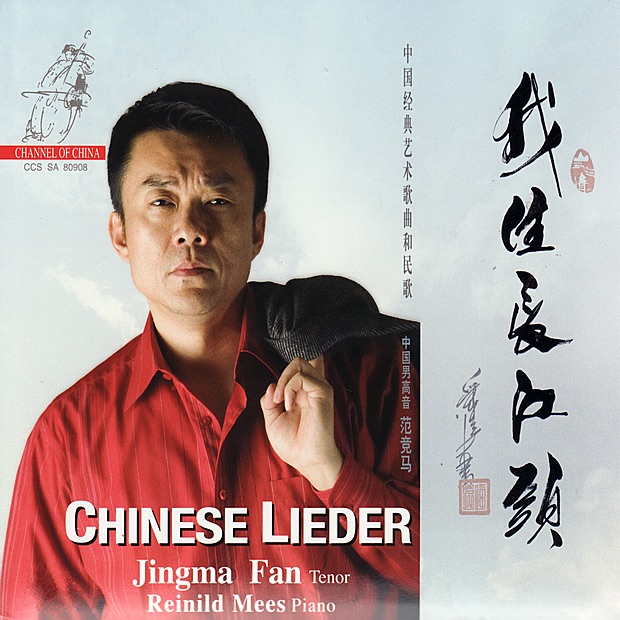
Artist Info
Role:ComposerLuo Zhongrong was a Chinese composer who was born on December 12, 1918, in the city of Wuxi, Jiangsu Province, China. He was the youngest of six children in his family, and his father was a businessman who had a great love for music. Luo's father played the violin and the piano, and he encouraged his children to learn music from a young age. Luo began his music education at the age of six, when he started learning the piano from his father. He showed great talent and dedication, and by the age of 12, he had already composed his first piece of music. Luo continued his music education at the Shanghai Conservatory of Music, where he studied composition under the guidance of the renowned composer He Luting. In 1941, Luo graduated from the Shanghai Conservatory of Music and began his career as a composer. He worked as a music teacher at several universities in China, including the Central Conservatory of Music in Beijing. Luo's music was heavily influenced by Chinese folk music, and he often incorporated traditional Chinese instruments into his compositions. One of Luo's most famous works is his Symphony No. 1, which he composed in 1957. The symphony is a tribute to the Chinese people and their struggle for independence and freedom. The piece is divided into four movements, each of which represents a different aspect of Chinese culture and history. The first movement is titled "The Great Wall," and it represents the strength and resilience of the Chinese people. The second movement is titled "The Silk Road," and it represents the cultural exchange between China and other countries. The third movement is titled "The Red Army," and it represents the Chinese Communist Party's struggle for power. The final movement is titled "The New China," and it represents the hope and optimism of the Chinese people for a better future. Another notable work by Luo is his opera "The White-Haired Girl," which he composed in 1945. The opera tells the story of a young girl who is forced to work as a slave for a wealthy landlord. The girl eventually escapes and joins the Communist Party, and she becomes a symbol of the struggle for social justice in China. The opera was a huge success in China, and it is still performed today. Luo's music was not without controversy, however. During the Cultural Revolution in China, many of his works were criticized for being too Western and not revolutionary enough. Luo was forced to undergo "re-education" and was not allowed to compose for several years. Despite this setback, Luo continued to compose and eventually regained his status as one of China's most respected composers. Luo passed away on December 22, 2008, at the age of 90. He left behind a legacy of music that continues to inspire and move people around the world. His music is a testament to the power of art to transcend cultural and political boundaries and to unite people in a common love of beauty and creativity.More....
Copyright Ⓒ 2013 Davinci Finger. All rights reseved
Service Terms & Policy