


David Moritz Michael
Released Album
Chamber
-
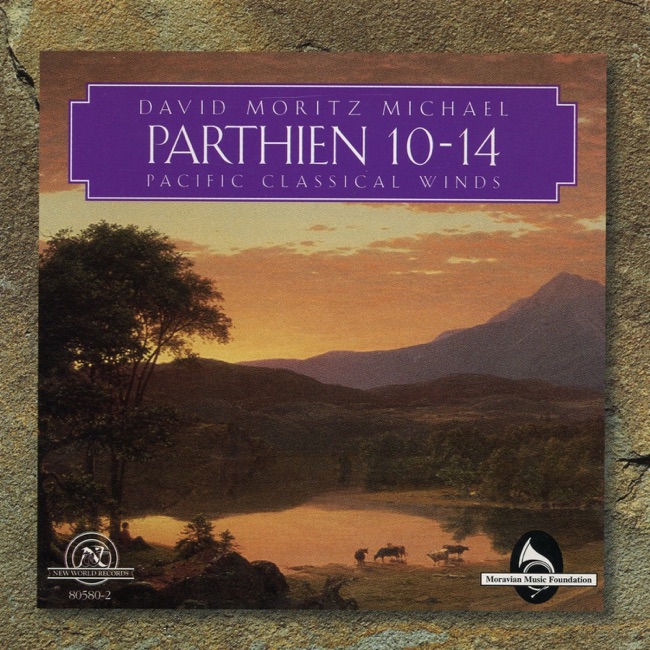 May 29, 2001
 -
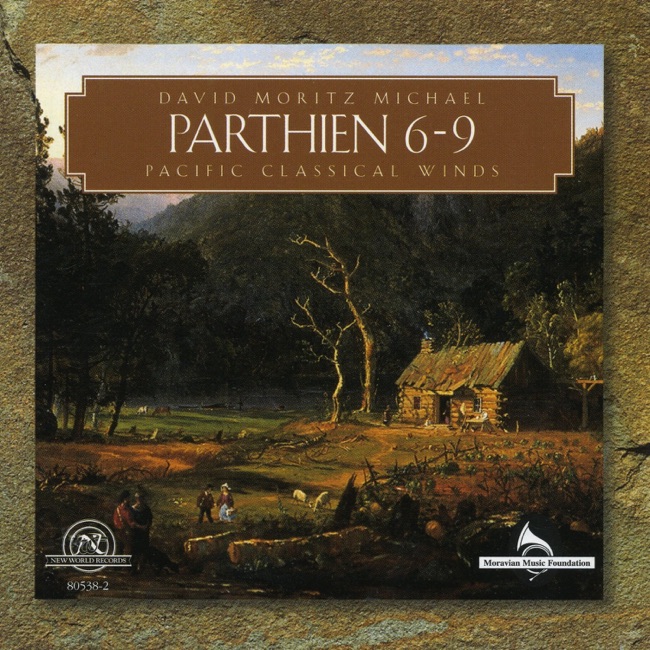 March 28, 2000
Choral
-
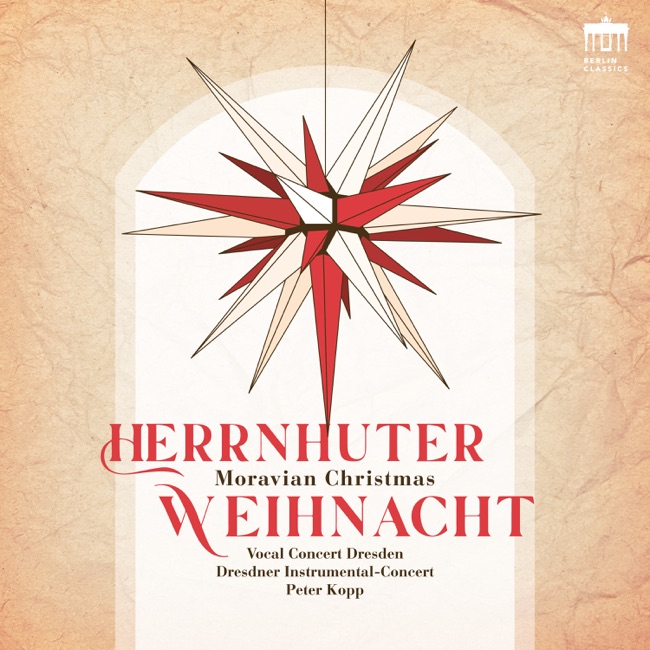 November 12, 2021
 -
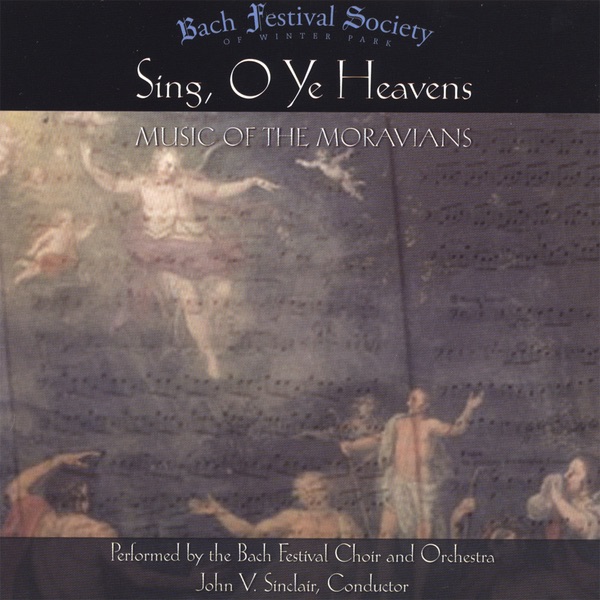 August 15, 2007
Miscellaneous
-
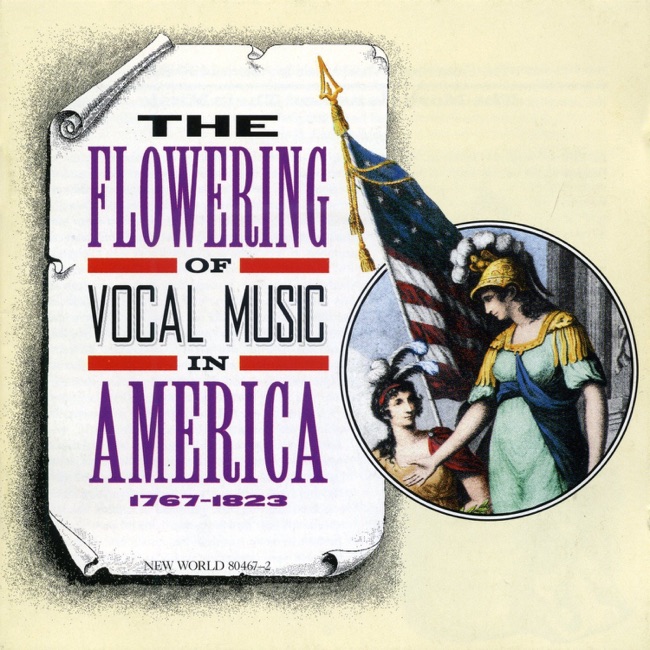 November 22, 1994
Artist Info
Role:ComposerCountry: GermanyBirth:October 21, 1751 in Keinhausen near ErfurtDeath:February 26, 1827 in Neuwied, GermanyPeriod:ClassicalGenre:ChamberDavid Moritz Michael was a German-American composer and conductor who was born on June 22, 1751, in Schwabach, Bavaria. He was the son of a cantor and was raised in a musical family. Michael showed an early interest in music and began his musical education at a young age. He studied with his father and later with Johann Georg Albrechtsberger, a prominent composer and music theorist. In 1777, Michael moved to Vienna, where he became a member of the court orchestra. He also worked as a music teacher and conductor. During this time, he composed a number of works, including symphonies, chamber music, and operas. His music was well-received and he gained a reputation as a talented composer. In 1784, Michael moved to the United States, where he settled in Charleston, South Carolina. He became the music director of St. Philip's Church and also worked as a music teacher. He continued to compose music and his works were performed in Charleston and other cities in the United States. Michael's music was influenced by the classical style of Mozart and Haydn, as well as the Baroque music of Bach and Handel. His compositions were characterized by their melodic beauty, harmonic richness, and formal elegance. He was particularly skilled at writing for the orchestra and his symphonies and concertos are considered some of his best works. One of Michael's most famous works is his Symphony No. 1 in C major, which was composed in Vienna in 1777. The symphony is in four movements and features a lively and energetic first movement, a lyrical second movement, a playful third movement, and a lively finale. The symphony is notable for its use of counterpoint and its rich orchestration. Another notable work by Michael is his Concerto for Flute and Orchestra in D major, which was composed in Charleston in 1794. The concerto is in three movements and features a virtuosic flute part and a lively and energetic orchestral accompaniment. The concerto is considered one of the finest works for flute and orchestra from the classical period. Michael also composed a number of operas, including The Magic Flute, which was based on the libretto by Emanuel Schikaneder. The opera was first performed in Charleston in 1795 and was well-received by audiences. The opera features a number of memorable arias and ensembles, as well as a lively and engaging plot. In addition to his work as a composer, Michael was also a respected conductor and music teacher. He was known for his ability to inspire and motivate his students and was highly regarded by his colleagues. He was also a devout Christian and his faith was an important part of his life and work. David Moritz Michael died on August 27, 1827, in Charleston, South Carolina. He left behind a legacy of beautiful and inspiring music that continues to be performed and enjoyed today. His contributions to the classical music tradition are significant and his works remain an important part of the repertoire.More....
Recent Artist Music
Copyright Ⓒ 2013 Davinci Finger. All rights reseved
Service Terms & Policy