


Eduardo Sánchez de Fuentes
Released Album
Vocal
-
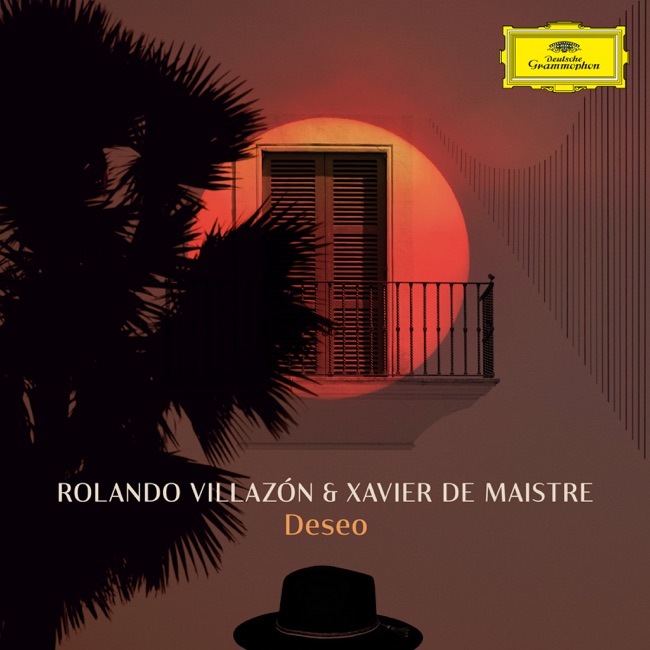 August 7, 2020
 -
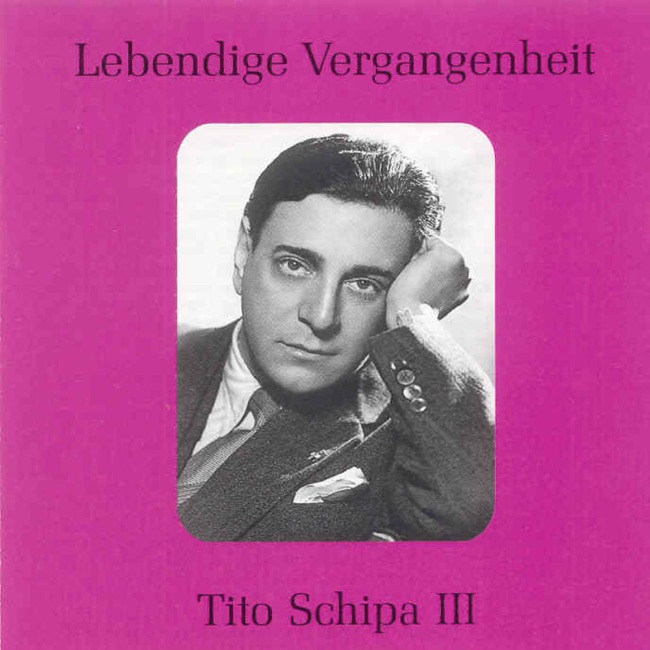 December 24, 2002
Keyboard
-
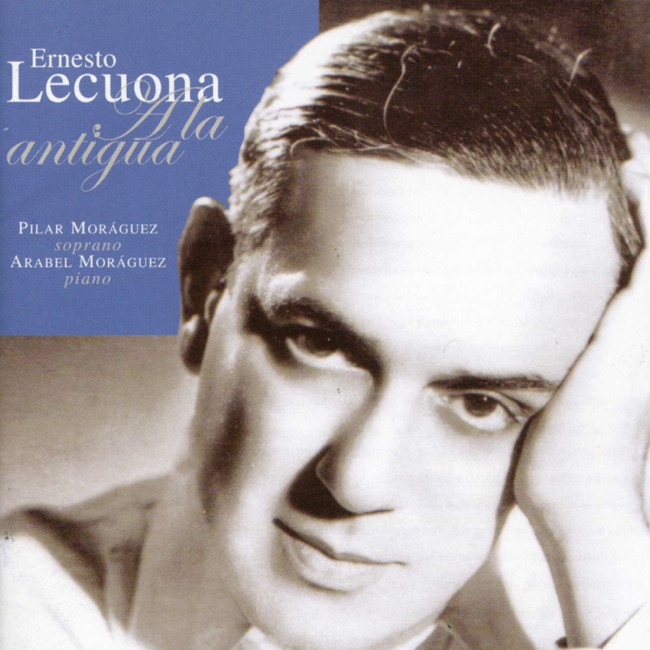 October 26, 2006
Artist Info
Role:ComposerCountry: CubaBirth:April 3, 1874 in Havana, CubaDeath:September 7, 1944 in Havana, CubaPeriod:ModernGenre:VocalEduardo Sánchez de Fuentes was a Cuban composer and pianist who was born on February 26, 1874, in Havana, Cuba. He was the son of a Spanish father and a Cuban mother, and he grew up in a musical family. His father was a music teacher, and his mother was a singer. From a young age, Eduardo showed a great interest in music, and he began studying piano and composition at the age of six. Eduardo's musical talent was evident from an early age, and he quickly became known as a prodigy. He gave his first public performance at the age of eight, and by the time he was a teenager, he was already composing his own music. In 1892, he traveled to Paris to study music at the Conservatoire de Paris, where he studied under the renowned composer Jules Massenet. After completing his studies in Paris, Eduardo returned to Cuba, where he became a prominent figure in the country's musical scene. He worked as a music teacher and a composer, and he also performed as a pianist. He was known for his innovative approach to music, and he was one of the first Cuban composers to incorporate elements of Cuban folk music into his compositions. One of Eduardo's most famous works is his opera "La Verbena de la Paloma," which he composed in 1894. The opera is a comic zarzuela, which is a type of Spanish operetta that is known for its light-hearted and humorous tone. "La Verbena de la Paloma" is set in Madrid and tells the story of a young couple who fall in love during a festival. The opera was an instant success, and it has since become one of the most popular zarzuelas in the Spanish-speaking world. In addition to his work as a composer, Eduardo was also a prolific writer. He wrote several books on music theory and composition, as well as a number of articles on music and culture. He was a strong advocate for the preservation of Cuban folk music, and he worked tirelessly to promote the music of his homeland. Eduardo's music was heavily influenced by the rhythms and melodies of Cuban folk music, as well as by the classical music of Europe. He was known for his use of syncopated rhythms and his incorporation of Cuban percussion instruments into his compositions. His music was also characterized by its lyricism and its emotional depth. Eduardo continued to compose and perform music throughout his life, and he remained an important figure in the Cuban musical scene until his death in 1944. His legacy lives on through his music, which continues to be performed and celebrated around the world.More....
Recent Artist Music
Copyright Ⓒ 2013 Davinci Finger. All rights reseved
Service Terms & Policy