


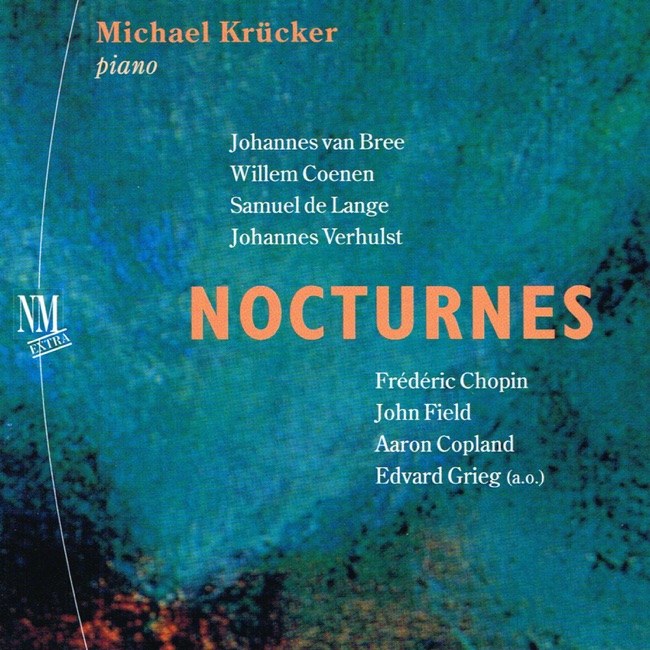
Samuel de Lange
Artist Info
Role:ComposerBirth:1811Period:RomanticGenre:KeyboardSamuel de Lange was a Dutch composer and organist who lived from 1811 to 1884. He was born in Rotterdam, the son of a music teacher, and showed an early aptitude for music. He began his musical studies at a young age, studying piano and organ with his father and later with the renowned organist and composer Johannes Gijsbertus Bastiaans. De Lange's talent as a composer was recognized early on, and he began to receive commissions for his works while still a teenager. He was particularly skilled at writing for the organ, and his early works in this genre were well-received by audiences and critics alike. In 1831, de Lange was appointed as the organist of the Grote Kerk in Rotterdam, a position he held for the rest of his life. He was also a professor of music at the Rotterdam Conservatory, where he taught composition and organ performance. De Lange's compositional output was prolific, and he wrote in a variety of genres, including symphonies, chamber music, choral works, and operas. However, he is perhaps best known for his works for the organ, which are still performed and recorded today. One of de Lange's most famous works for the organ is his Sonata in F minor, Op. 41. This piece is notable for its virtuosic writing and its use of the full range of the organ's capabilities. It is also notable for its use of chromaticism and dissonance, which were relatively new techniques in organ music at the time. Another of de Lange's famous works for the organ is his Fantasia and Fugue in C minor, Op. 37. This piece is notable for its dramatic contrasts between the free-form fantasia section and the strict fugue section. It is also notable for its use of counterpoint and its complex harmonic language. In addition to his works for the organ, de Lange also wrote a number of choral works, including his Requiem, Op. 20. This piece is notable for its use of polyphony and its expressive use of harmony and melody. It is also notable for its use of the Latin text of the Requiem Mass, which was unusual for a Protestant composer at the time. De Lange's operas were also well-regarded in his time, although they are less well-known today. His most famous opera is probably Floris V, which tells the story of a medieval Dutch count. The opera is notable for its use of Dutch folk melodies and its dramatic orchestration. Throughout his career, de Lange was recognized as one of the leading composers and organists of his time. He received numerous awards and honors, including the Order of the Netherlands Lion and the Order of Leopold from the Belgian government. De Lange's legacy as a composer and organist continues to be felt today. His works for the organ are still performed and recorded, and his influence can be heard in the works of later composers such as Max Reger and Charles-Marie Widor. His contributions to the development of Dutch classical music are also widely recognized, and he is remembered as one of the most important figures in the country's musical history.More....
Copyright Ⓒ 2013 Davinci Finger. All rights reseved
Service Terms & Policy