


Luise Adolpha Le Beau
Released Album
Chamber
-
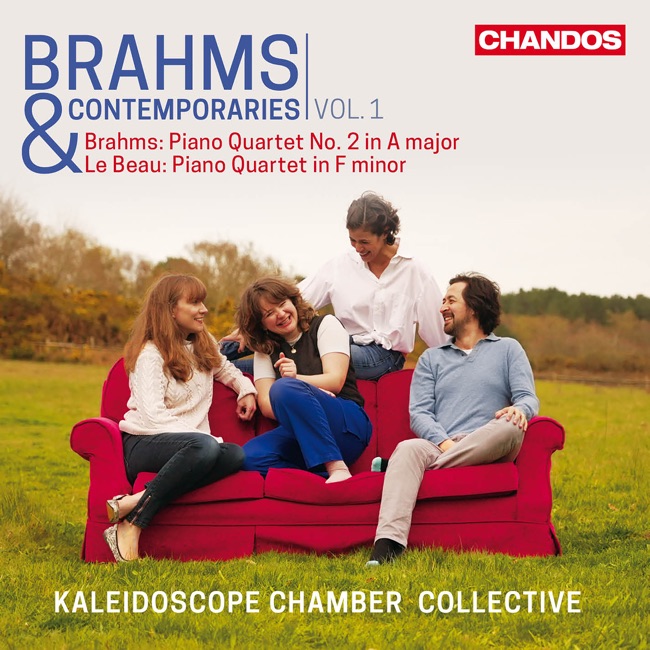 May 24, 2024
 -
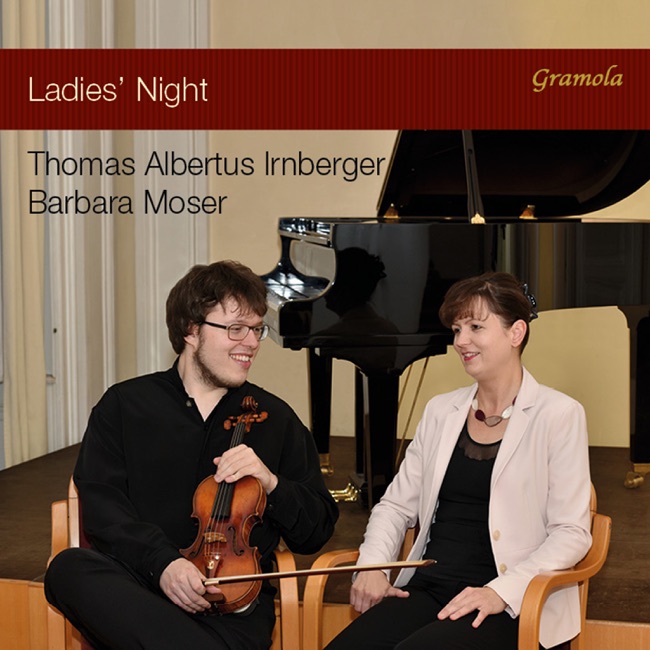 January 12, 2018
 -
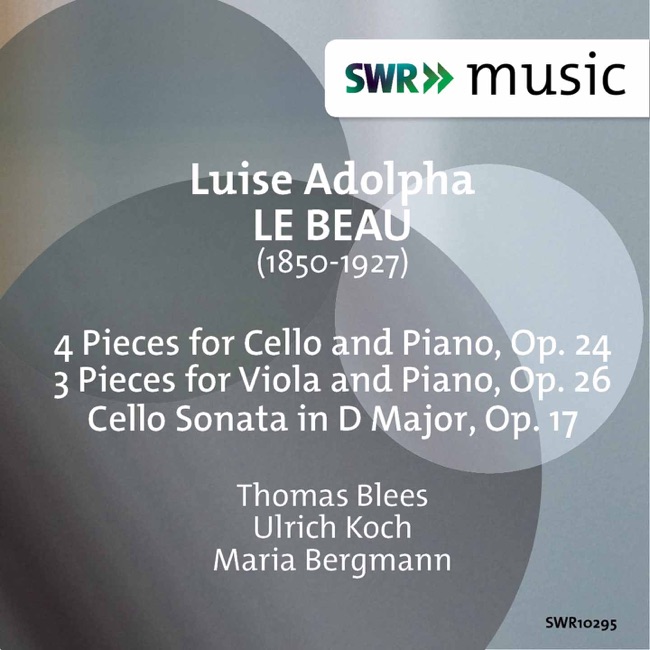 July 1, 2015
 -
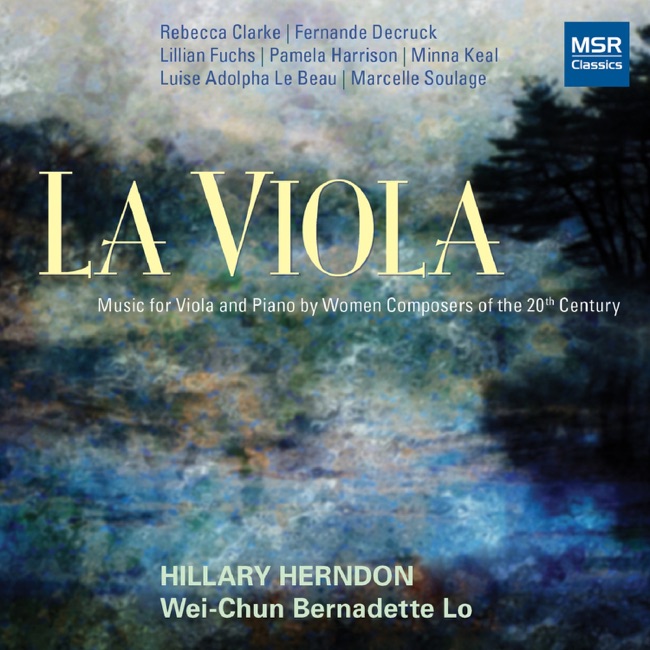 December 11, 2012
Keyboard
-
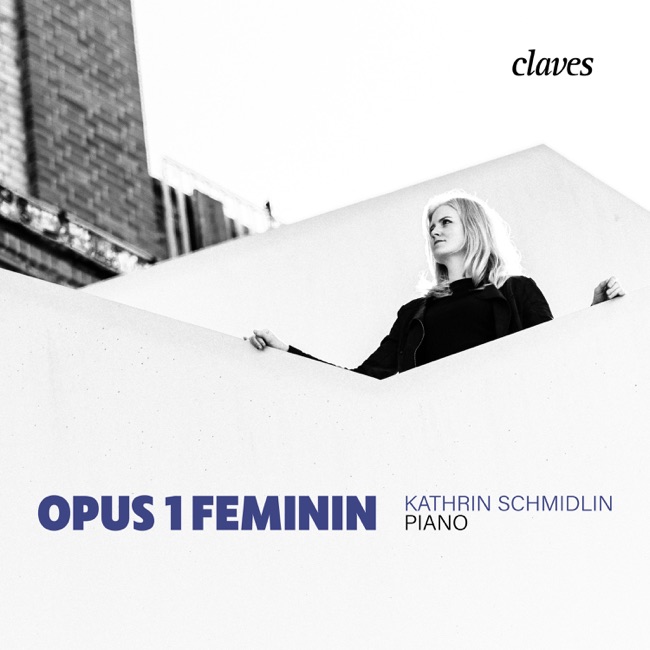 May 13, 2022
 -
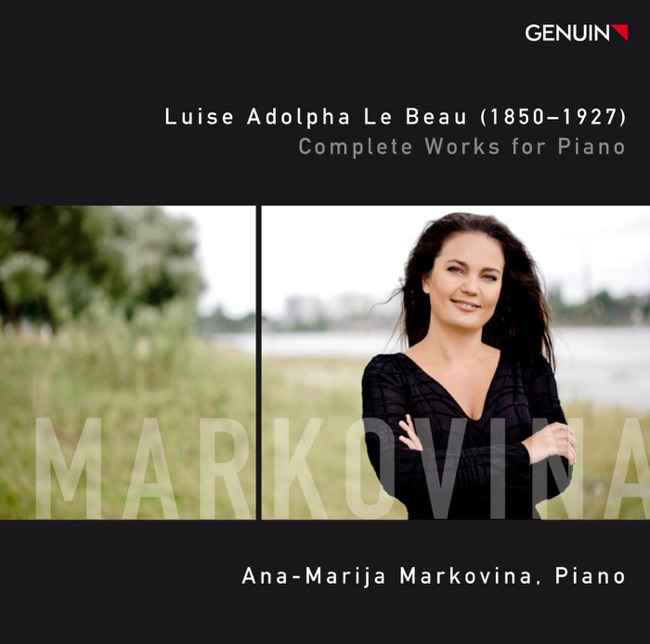 January 25, 2011
Artist Info
Role:ComposerBirth:1850 in Rastatt, GermanyDeath:1927 in Baden-Baden, GermanyPeriod:RomanticGenre:ChamberKeyboardLuise Adolpha Le Beau was a German composer and pianist who lived from 25 April 1850 to 17 July 1927. She was born in Rastatt, a town in the Grand Duchy of Baden, which is now part of Germany. Her father, Friedrich Le Beau, was a music teacher and composer, and her mother, Luise von Adolph, was a singer. Le Beau grew up in a musical family and showed an early talent for music. She began playing the piano at the age of four and started composing at the age of six. Le Beau received her early musical education from her father, who taught her piano, theory, and composition. She also studied with other prominent musicians of the time, including Clara Schumann, Franz Liszt, and Johannes Brahms. In 1866, at the age of sixteen, Le Beau made her debut as a pianist in Karlsruhe, playing works by Beethoven, Chopin, and her own compositions. Le Beau's career as a composer began in earnest in the 1870s. Her early works were mainly for piano, but she soon began to write chamber music, songs, and orchestral works. Her music was well received by critics and audiences alike, and she became known for her lyrical melodies, rich harmonies, and sophisticated use of form. One of Le Beau's most significant works is her Piano Concerto in D minor, Op. 37, which she composed in 1879. The concerto is a virtuosic showcase for the soloist, with a dramatic opening movement, a lyrical second movement, and a lively finale. The work was premiered in Berlin in 1880, with Le Beau as the soloist, and was later performed in other cities throughout Europe. Le Beau also wrote a number of chamber music works, including string quartets, piano trios, and a sonata for violin and piano. Her String Quartet in C minor, Op. 23, is particularly noteworthy for its emotional intensity and complex harmonic language. The work was premiered in Berlin in 1885 and was praised by critics for its originality and depth of feeling. In addition to her instrumental works, Le Beau also wrote a number of songs, many of which were set to texts by the German poet Heinrich Heine. Her song cycle Frauenliebe und -leben, Op. 42, is a setting of eight poems by Adelbert von Chamisso and is considered one of her finest works. The cycle tells the story of a woman's love and marriage, from her first meeting with her beloved to her eventual widowhood. The songs are characterized by their expressive melodies and sensitive treatment of the text. Le Beau's music was widely performed during her lifetime, and she was recognized as one of the leading composers of her time. She was a member of the Berlin Academy of Arts and was awarded the Order of the Crown by the King of Prussia in 1909. Despite her success, however, Le Beau faced significant challenges as a woman composer in a male-dominated field. She was often criticized for her gender and was denied opportunities that were available to her male colleagues. Le Beau continued to compose throughout her life, but her music fell out of favor after her death in 1927. It was not until the late 20th century that her music began to be rediscovered and performed again. Today, Le Beau is recognized as an important figure in the history of classical music and a pioneer for women composers. Her music is characterized by its emotional depth, lyrical beauty, and sophisticated use of form, and continues to be performed and recorded by musicians around the world.More....
Recent Artist Music
2

2:25

7
4:34
8
6:38
Copyright Ⓒ 2013 Davinci Finger. All rights reseved
Service Terms & Policy