


John Rea
Released Album
Keyboard
-
 March 3, 2017
 -
 November 24, 1998
Vocal
-
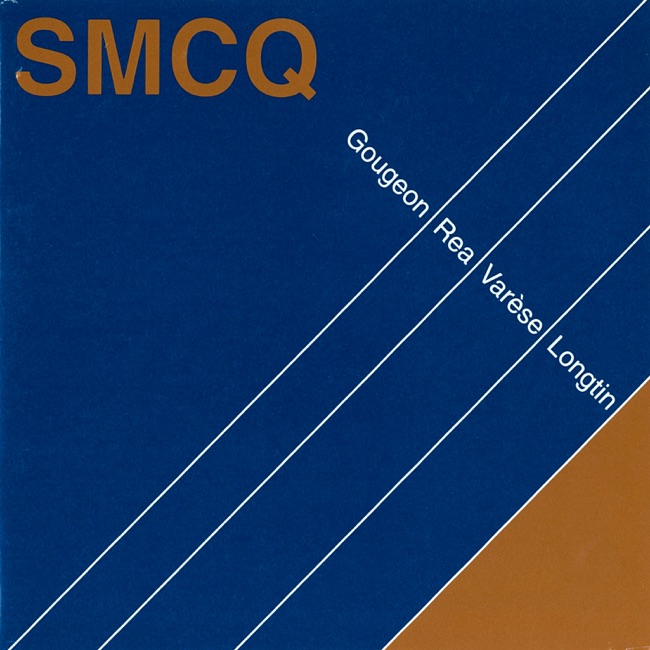 December 15, 1992
Artist Info
Role:ComposerBirth:1944Period:ContemporaryGenre:Avant-GardeChamberKeyboardVocalJohn Rea is a Canadian composer who was born on January 19, 1944, in Toronto, Ontario. He grew up in a musical family, with his father being a violinist and his mother a pianist. Rea began playing the piano at a young age and later learned to play the violin and viola. He attended the University of Toronto, where he studied composition with John Weinzweig and electronic music with Gustav Ciamaga. Rea's early works were influenced by the avant-garde movement of the 1960s, and he was particularly interested in the use of electronic music. In 1968, he co-founded the electronic music studio at the University of Toronto, which became a hub for experimental music in Canada. Rea's early works include "Invisible Cities" (1968), a piece for tape and live performers, and "A Young Person's Guide to Electronic Music" (1970), a piece that was designed to introduce children to electronic music. In the 1970s, Rea began to incorporate more traditional elements into his compositions, including tonality and melody. He also began to explore the use of theatrical elements in his works, such as in "The Death of Enkidu" (1976), an opera based on the Epic of Gilgamesh. Rea's works from this period include "The Sand Reckoner" (1977), a piece for orchestra and tape, and "The Death of Enkidu" (1976), which was premiered at the Banff Centre for the Arts. In the 1980s, Rea continued to explore the use of theatrical elements in his works, and he began to incorporate more diverse musical influences into his compositions. He also began to collaborate with other artists, including choreographers and visual artists. Rea's works from this period include "The Palace of the Cinnabar Phoenix" (1984), an opera based on a Chinese legend, and "The Parting" (1987), a piece for orchestra and tape. In the 1990s, Rea's works became more introspective and personal, and he began to incorporate more autobiographical elements into his compositions. He also continued to collaborate with other artists, including the choreographer James Kudelka. Rea's works from this period include "The Memory Room" (1992), a piece for chamber ensemble and tape, and "The Thirteen Strings" (1995), a piece for string orchestra. In the 2000s, Rea continued to explore new musical territories, and he began to incorporate more improvisation into his compositions. He also continued to collaborate with other artists, including the visual artist David Rokeby. Rea's works from this period include "The Time of Our Singing" (2003), a piece for choir and orchestra, and "The Sandstone Project" (2007), a multimedia work that combines music, dance, and video. Throughout his career, Rea has been recognized for his contributions to Canadian music. He has received numerous awards and honors, including the Order of Canada in 2013. His works have been performed by leading orchestras and ensembles around the world, and he has been commissioned by organizations such as the Canadian Broadcasting Corporation and the National Arts Centre Orchestra. In conclusion, John Rea is a Canadian composer who has made significant contributions to the world of classical music. His works are characterized by their use of theatrical elements, diverse musical influences, and autobiographical elements. Rea's career has spanned several decades, and he has continued to explore new musical territories throughout his career.More....
Recent Artist Music

4

Las Meninas (based on Schumann's 'Children's Scenes')
1. From foreign lands and people: I. à José Evangelista
1:26
Copyright Ⓒ 2013 Davinci Finger. All rights reseved
Service Terms & Policy