


Edward Longstaff
Released Album
Chamber
-
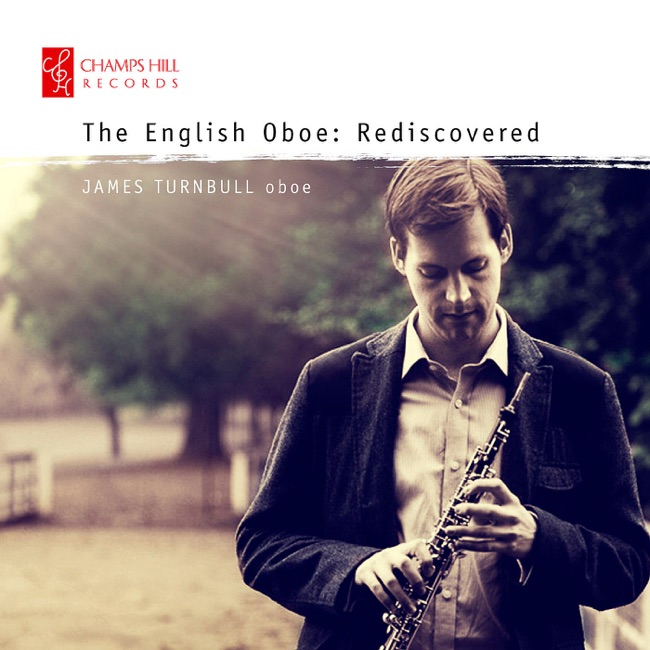 March 4, 2013
 -
 May 1, 2011
 -
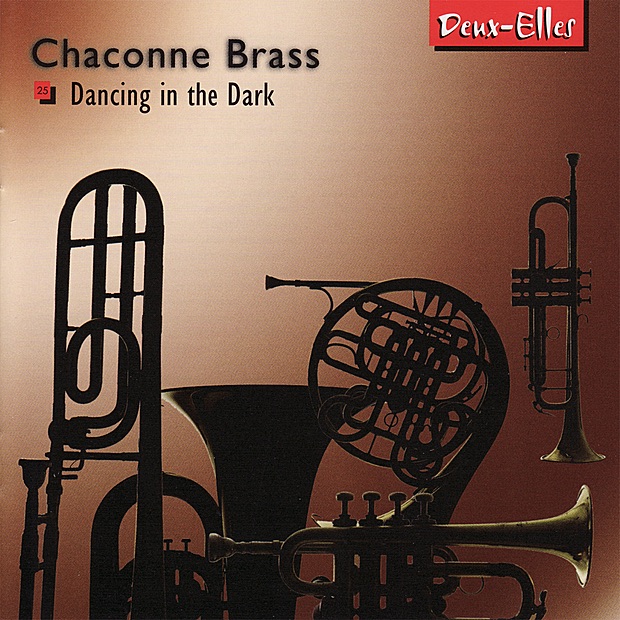 July 13, 2010
Artist Info
Role:ComposerEdward Longstaff was a British classical music composer who lived from 1885 to 1955. He was born in the town of Newcastle upon Tyne in the northeast of England. Longstaff was the youngest of four children and grew up in a musical family. His father was a church organist and his mother was a singer. Longstaff began playing the piano at a young age and showed a natural talent for music. Longstaff's musical education began at the Newcastle Conservatory of Music, where he studied piano and composition. He later went on to study at the Royal College of Music in London, where he was a student of Charles Villiers Stanford. Stanford was a prominent composer and teacher who had a significant influence on Longstaff's musical style. Longstaff's early compositions were heavily influenced by the Romantic composers of the 19th century, particularly Brahms and Schumann. His first major work was a piano concerto, which he composed while still a student at the Royal College of Music. The concerto was well-received and helped establish Longstaff as a promising young composer. After completing his studies, Longstaff returned to Newcastle and began working as a freelance composer and pianist. He quickly established himself as one of the leading musicians in the region and was soon commissioned to write works for local orchestras and choirs. One of Longstaff's most notable works from this period was his Symphony No. 1, which was premiered by the Newcastle Symphony Orchestra in 1912. The symphony was well-received and helped establish Longstaff as a major figure in British classical music. During World War I, Longstaff served in the British Army as a musician. He played the piano and organ for troops and also composed music for military bands. After the war, Longstaff returned to Newcastle and resumed his career as a composer and pianist. In the 1920s and 1930s, Longstaff's music began to evolve. He became interested in the music of the French Impressionists, particularly Debussy and Ravel. He also began incorporating elements of folk music into his compositions, drawing inspiration from the traditional music of the British Isles. One of Longstaff's most notable works from this period was his Piano Sonata No. 2, which was premiered in 1927. The sonata was heavily influenced by Debussy and featured a complex harmonic language and impressionistic textures. Longstaff's later works continued to explore new musical ideas and techniques. He became interested in serialism and began incorporating 12-tone techniques into his compositions. He also experimented with electronic music, using tape recorders and other electronic devices to create new sounds and textures. One of Longstaff's most notable works from this period was his String Quartet No. 3, which was premiered in 1950. The quartet was a complex and challenging work that showcased Longstaff's mastery of serialism and his ability to create intricate textures and harmonies. Longstaff's music was well-regarded by his contemporaries, but he never achieved the same level of fame as some of his peers. He was known for his meticulous attention to detail and his ability to create complex and challenging works that pushed the boundaries of classical music. Today, Longstaff's music is still performed and recorded by musicians around the world. His legacy as a composer and pianist continues to inspire new generations of musicians and composers.More....
Recent Artist Music

Copyright Ⓒ 2013 Davinci Finger. All rights reseved
Service Terms & Policy