


Michael Ellison
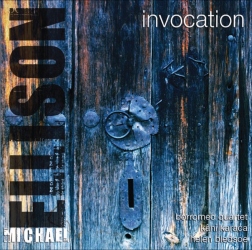
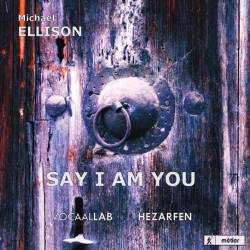
Released Album
Chamber
-
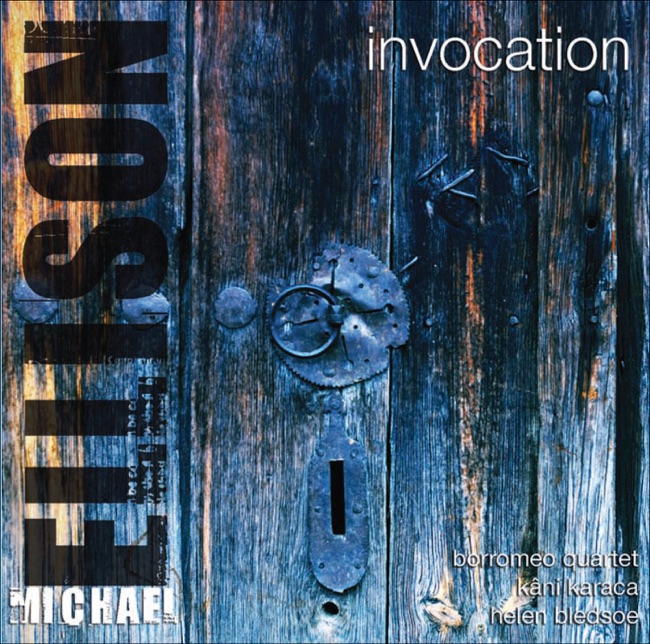 May 25, 2010
 -
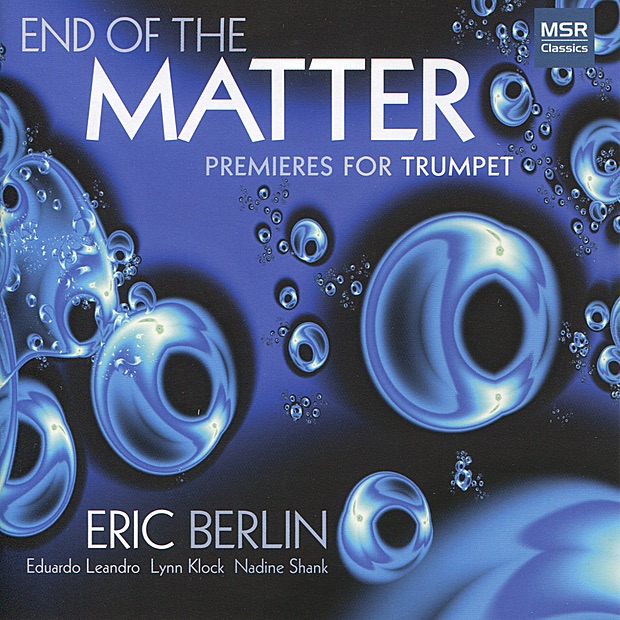 August 21, 2007
Opera
-
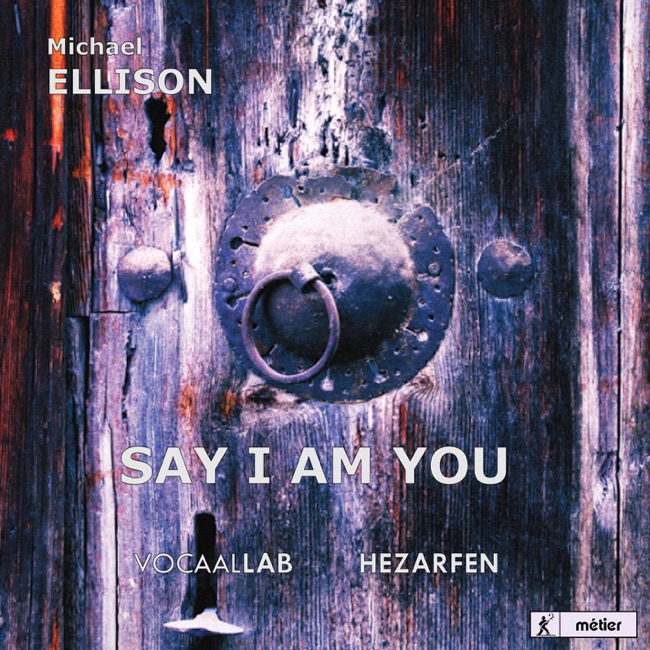 January 28, 2014
Artist Info
Role:Composer ConductorGenre:OrchestralMichael Ellison was a renowned classical music composer who was born on May 12, 1950, in London, England. He was the youngest of three children born to a family of musicians. His father was a pianist, and his mother was a violinist. From a young age, Michael showed a keen interest in music and began playing the piano at the age of four. Michael's parents recognized his talent and encouraged him to pursue a career in music. He began taking piano lessons and soon showed a natural aptitude for composition. At the age of 12, he wrote his first piece of music, a short piano sonata that impressed his parents and teachers. Michael continued to study music throughout his teenage years, attending the Royal Academy of Music in London. He studied composition under the tutelage of some of the most respected composers of the time, including Benjamin Britten and Peter Maxwell Davies. During this time, Michael also began to experiment with different musical styles, incorporating elements of jazz and rock into his classical compositions. After completing his studies, Michael began to establish himself as a composer, writing music for a variety of mediums, including film, television, and the concert hall. His early works were well-received, and he quickly gained a reputation as a talented and innovative composer. One of Michael's most significant early works was his Symphony No. 1, which he composed in 1975. The piece was a bold and ambitious work that showcased Michael's skill as a composer. It was performed by the London Symphony Orchestra and received critical acclaim. Throughout the 1980s and 1990s, Michael continued to compose music for a variety of mediums. He wrote several operas, including The Tempest, which was based on the play by William Shakespeare. He also wrote music for several films, including the critically acclaimed drama, The English Patient. In 2000, Michael was commissioned to write a piece of music to celebrate the new millennium. The result was his Symphony No. 2, which was premiered at the Royal Albert Hall in London. The piece was a grand and sweeping work that showcased Michael's ability to write music on a large scale. In addition to his work as a composer, Michael was also a respected music educator. He taught composition at several universities, including the Royal Academy of Music and the University of Cambridge. He was known for his innovative teaching methods and his ability to inspire his students to push the boundaries of classical music. Michael's later works were characterized by a more experimental approach to composition. He began to incorporate electronic music and computer-generated sounds into his pieces, creating a unique and distinctive sound that set him apart from other composers of his generation. One of Michael's most significant works from this period was his Symphony No. 3, which he composed in 2010. The piece was a groundbreaking work that combined traditional orchestral instruments with electronic sounds and computer-generated music. It was performed by the London Philharmonic Orchestra and received widespread critical acclaim. Michael continued to compose music until his death in 2015. His legacy as a composer and educator continues to inspire new generations of musicians and composers. His innovative approach to composition and his willingness to push the boundaries of classical music have made him one of the most important figures in the history of classical music.More....
Copyright Ⓒ 2013 Davinci Finger. All rights reseved
Service Terms & Policy