


András Szöllösy
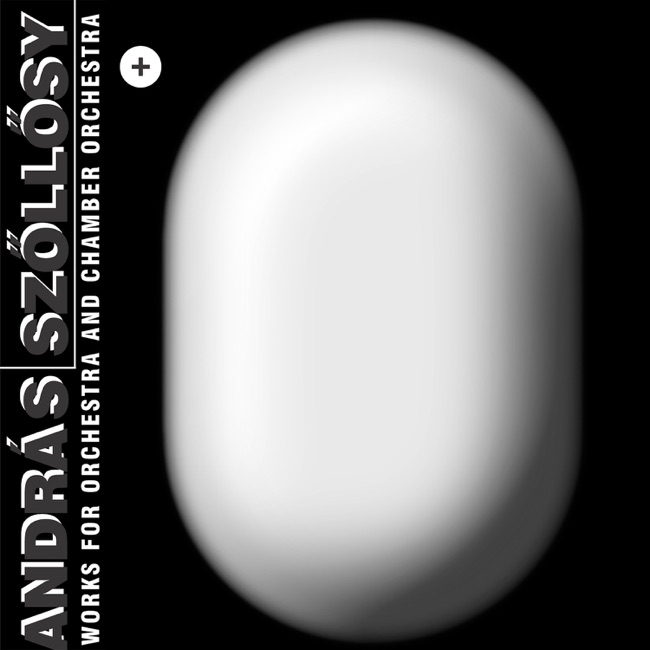
Artist Info
Role:ComposerCountry: HungaryBirth:February 21, 1921Death:December 6, 2007Genre:ChamberAndrás Szöllösy was a Hungarian composer and pianist who was born on August 27, 1921, in Budapest, Hungary. He was the son of a prominent Hungarian composer, László Szöllösy, who was a professor of composition at the Franz Liszt Academy of Music in Budapest. András Szöllösy grew up in a musical family and began playing the piano at a young age. He showed great talent and was soon recognized as a prodigy. Szöllösy studied at the Franz Liszt Academy of Music in Budapest, where he was taught by some of the most prominent Hungarian composers of the time, including Zoltán Kodály and Béla Bartók. He also studied piano with Lajos Hernádi and chamber music with Leó Weiner. Szöllösy was a brilliant student and won several awards and prizes for his compositions and performances. In 1944, Szöllösy was drafted into the Hungarian army and was sent to fight on the Eastern Front during World War II. He was captured by the Soviet army and spent several years in a prisoner-of-war camp in Siberia. During his captivity, Szöllösy continued to compose music and even gave concerts for his fellow prisoners. After the war, Szöllösy returned to Hungary and resumed his studies at the Franz Liszt Academy of Music. He graduated in 1949 and began working as a composer and pianist. Szöllösy's music was heavily influenced by the folk music of Hungary and other Eastern European countries. He was also influenced by the music of Bartók and other modernist composers. Szöllösy's early works were characterized by their use of folk melodies and rhythms, as well as their complex harmonies and rhythms. His most famous early work is his Piano Sonata No. 1, which was composed in 1950. The sonata is a virtuosic work that showcases Szöllösy's technical skill as a pianist and his innovative approach to composition. In the 1950s, Szöllösy became interested in serialism, a compositional technique that uses a series of pitches or rhythms to create a musical structure. He began incorporating serialism into his compositions, but he also continued to use folk melodies and rhythms in his music. Szöllösy's most famous serialist work is his String Quartet No. 1, which was composed in 1956. In the 1960s, Szöllösy began experimenting with electronic music. He composed several works for tape and also worked with the Hungarian Radio Electronic Music Studio. Szöllösy's electronic music is characterized by its use of unusual sounds and textures, as well as its innovative approach to composition. Szöllösy's most famous electronic work is his Electronic Music No. 1, which was composed in 1967. The work is a collage of sounds and textures that were created using tape manipulation and electronic synthesis. The work was groundbreaking at the time and helped establish Szöllösy as one of the leading composers of electronic music in Hungary. In the 1970s, Szöllösy returned to more traditional forms of composition. He composed several works for orchestra, including his Symphony No. 1, which was composed in 1972. The symphony is a complex work that showcases Szöllösy's mastery of orchestration and his innovative approach to composition. Szöllösy continued to compose music until his death in 2007. His later works were characterized by their use of traditional forms and techniques, as well as their incorporation of electronic sounds and textures.More....
Recent Artist Music
Copyright Ⓒ 2013 Davinci Finger. All rights reseved
Service Terms & Policy