


Neil Rolnick
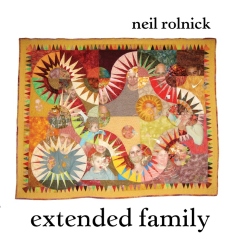
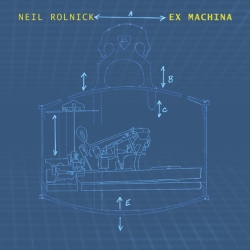
Released Album
Chamber
-
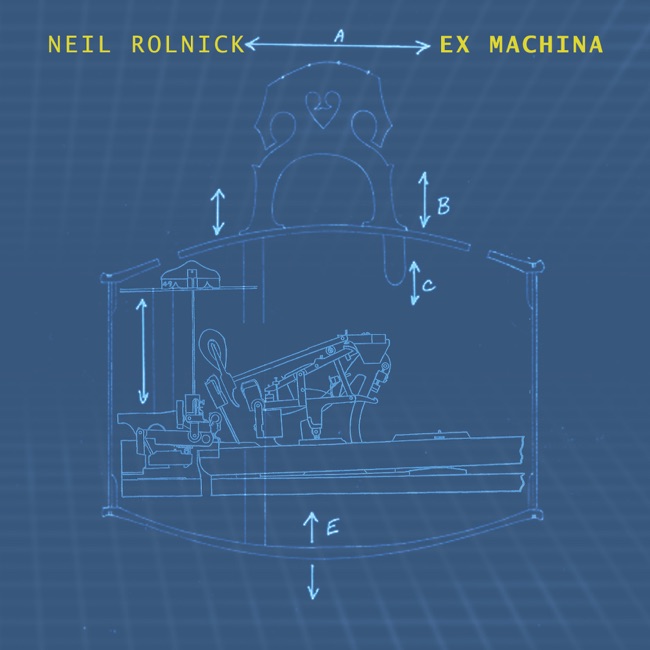 October 28, 2016
 -
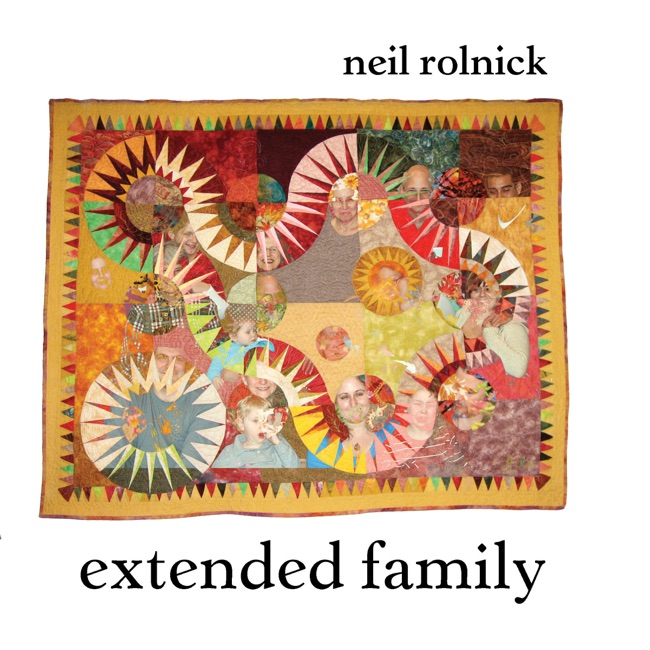 January 25, 2011
Electronic/Computer
-
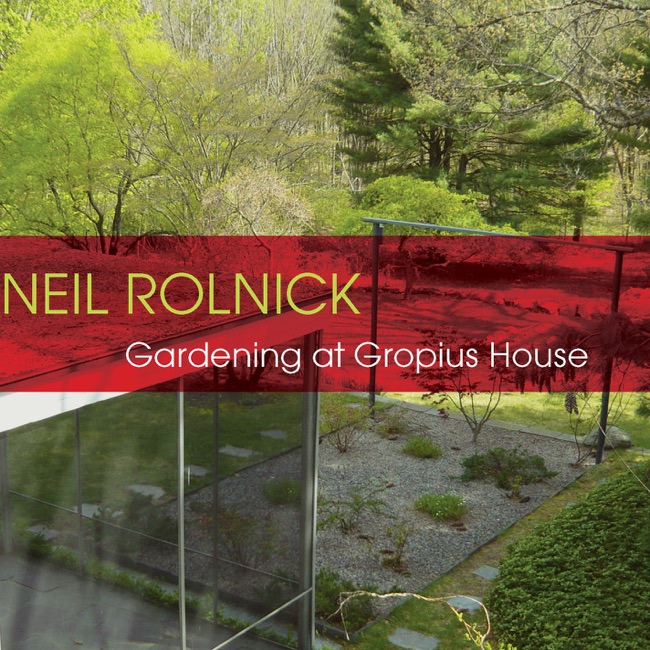 October 29, 2013
Artist Info
Role:ComposerNeil Rolnick is a renowned American composer, performer, and educator who has made significant contributions to the field of contemporary classical music. Born on January 16, 1947, in New York City, Rolnick grew up in a family of musicians. His father was a jazz pianist, and his mother was a singer. From a young age, Rolnick showed a keen interest in music and began playing the piano at the age of six. Rolnick received his formal education in music at the Oberlin Conservatory of Music, where he studied composition with Randolph Coleman and Richard Hoffmann. He later went on to earn a Master's degree in composition from the University of Illinois at Urbana-Champaign, where he studied with Salvatore Martirano and Lejaren Hiller. In the early years of his career, Rolnick was heavily influenced by the minimalist music of composers such as Steve Reich and Philip Glass. He began experimenting with electronic music and computer technology in the 1970s, which would become a defining feature of his later works. One of Rolnick's early works, "Digits," was composed in 1977 and featured a live performer playing a keyboard connected to a computer. The computer would then generate a series of musical patterns based on the performer's input, creating a unique and ever-changing musical experience. In the 1980s, Rolnick began incorporating video and multimedia elements into his compositions. His work "The Economic Engine" (1985) featured a live performer playing a keyboard while a video projection displayed images of factories and industrial landscapes. The piece was a commentary on the impact of technology on society and the environment. Rolnick's interest in technology and multimedia continued to evolve throughout the 1990s and 2000s. He began incorporating live processing and interactive elements into his compositions, allowing performers to manipulate and shape the music in real-time. One of Rolnick's most notable works from this period is "Dynamic RAM & Concert Grand" (1992), which featured a live pianist playing a grand piano while a computer processed and manipulated the sound in real-time. The piece was a groundbreaking exploration of the relationship between acoustic and electronic music. In addition to his work as a composer, Rolnick has also been an active performer and educator. He has performed his own works at major venues and festivals around the world, including the Lincoln Center, the Kennedy Center, and the Ars Electronica Festival in Austria. Rolnick has also been a dedicated educator, teaching composition and electronic music at institutions such as the University of California, San Diego, and the Rensselaer Polytechnic Institute. He has mentored numerous young composers and performers, helping to shape the future of contemporary classical music. Throughout his career, Rolnick has received numerous awards and honors for his contributions to the field of contemporary classical music. In 2011, he was awarded the Guggenheim Fellowship in Music Composition, and in 2016, he was awarded the Lifetime Achievement Award from the International Computer Music Association. Neil Rolnick's body of work represents a unique and innovative approach to contemporary classical music. His use of technology and multimedia elements has pushed the boundaries of what is possible in music composition and performance, and his dedication to education has helped to inspire a new generation of composers and performers.More....

Copyright Ⓒ 2013 Davinci Finger. All rights reseved
Service Terms & Policy