


The Earl of Abingdon
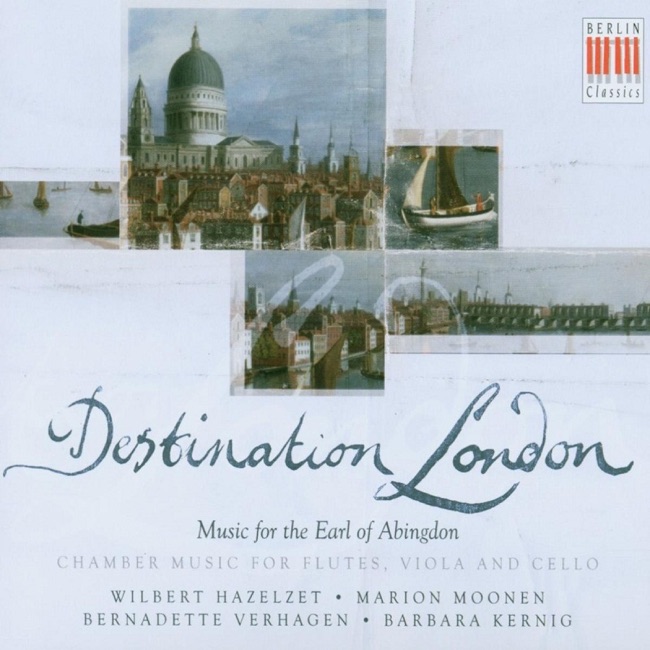
Artist Info
Role:ComposerThe Earl of Abingdon, also known as Willoughby Bertie, was a British composer and nobleman who lived from 1740 to 1799. He was born into a family of musicians, with his father and grandfather both being accomplished composers and performers. This musical background undoubtedly played a significant role in shaping the young Willoughby's interest in music, and he began studying the art at a young age. As a young man, Willoughby Bertie was sent to study music in Italy, where he was exposed to the works of some of the greatest composers of the time. He studied under the tutelage of Giovanni Battista Martini, a renowned composer and music theorist, and it was during this time that Bertie began to develop his own unique style and approach to composition. Upon returning to England, Bertie became heavily involved in the music scene of the day, performing in concerts and composing works for various ensembles and orchestras. He was particularly interested in the emerging classical style of music, which was characterized by its emphasis on melody, harmony, and structure. One of Bertie's most notable works is his Symphony in C Major, which was composed in the late 1760s. This piece is a prime example of Bertie's classical style, with its clear and concise melodies, well-defined harmonies, and carefully structured form. The symphony was well-received by audiences and critics alike, and it helped to establish Bertie as a major figure in the world of classical music. In addition to his symphonies, Bertie also composed a number of chamber works, including string quartets and sonatas. These pieces were often more intimate in nature than his larger orchestral works, and they showcased Bertie's skill at crafting intricate and nuanced musical textures. Despite his success as a composer, Bertie's primary occupation was that of a nobleman. He inherited the title of Earl of Abingdon from his father in 1769, and he spent much of his time managing his estates and serving in various political positions. However, he never lost his passion for music, and he continued to compose and perform throughout his life. One of Bertie's most significant contributions to the world of music was his role in the establishment of the Oxford Music Festival. This festival, which was founded in 1769, was one of the first of its kind in England, and it played an important role in promoting classical music and fostering a sense of community among musicians and music lovers. Bertie was heavily involved in the organization and management of the festival, and he composed a number of works specifically for the event. These included his Ode for the Oxford Music Festival, which was performed at the inaugural festival in 1769, and his Symphony in D Major, which was premiered at the festival in 1773. Throughout his life, the Earl of Abingdon remained a passionate and dedicated composer, performer, and patron of the arts. His contributions to the world of classical music helped to shape the course of the genre, and his legacy continues to be felt to this day.More....
Recent Artist Music
Copyright Ⓒ 2013 Davinci Finger. All rights reseved
Service Terms & Policy