


Amadeo Roldán
Released Album
Keyboard
-
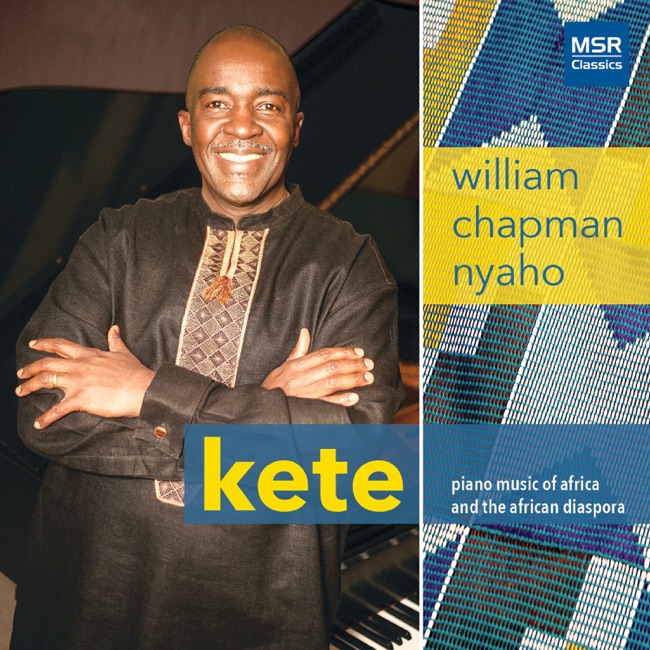 May 1, 2020
 -
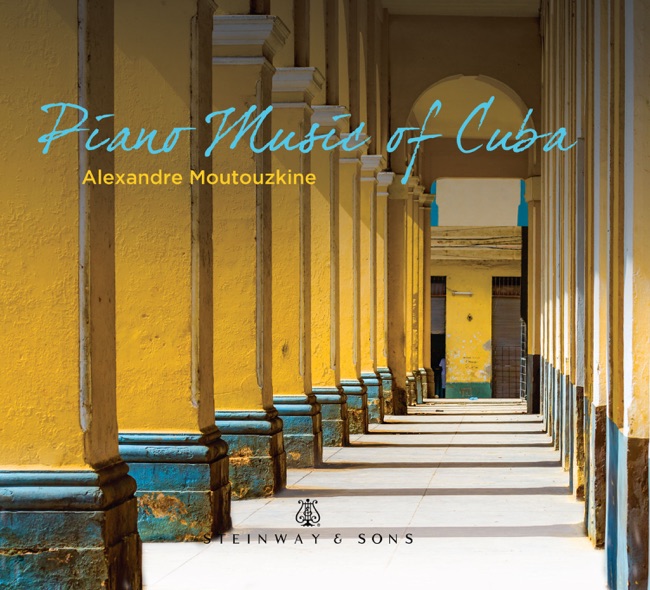 January 20, 2017
 -
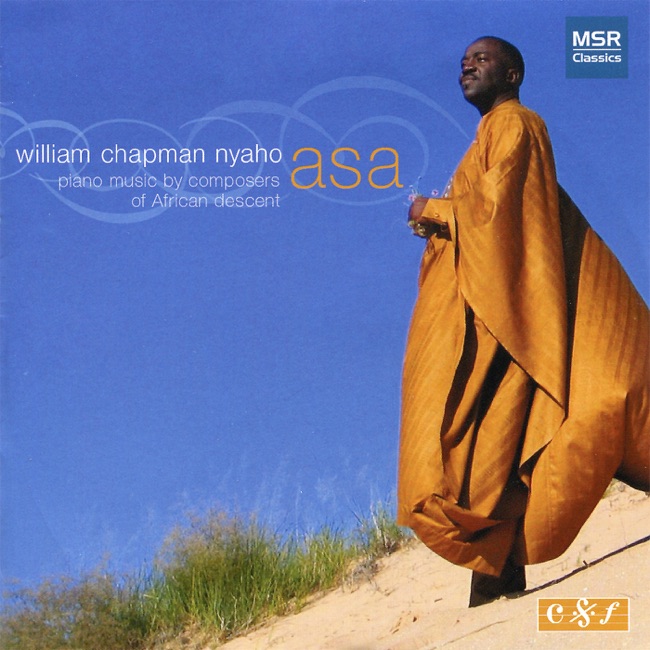 November 11, 2008
 -
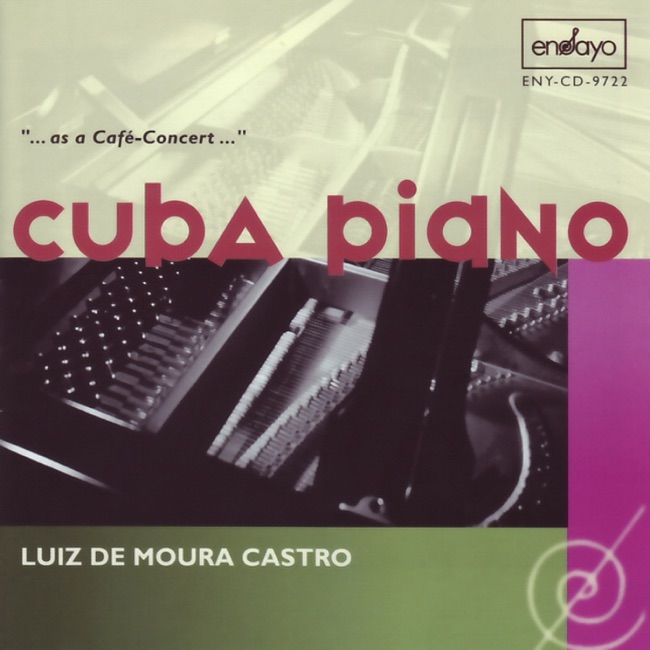 June 27, 2000
Chamber
-
 October 11, 2019
 -
 December 8, 2017
Artist Info
Role:ComposerCountry: CubaBirth:June 12, 1900 in Paris, FranceDeath:March 7, 1939 in Havana, CubaPeriod:ContemporaryModernGenre:Avant-GardeChamberKeyboardAmadeo Roldán was a Cuban composer, conductor, and violinist who was born on September 12, 1900, in Paris, France. His parents were Cuban, and they were in Paris at the time of his birth. Roldán's family moved back to Cuba when he was a child, and he grew up in Havana. He showed an early interest in music and began studying the violin at the age of six. Roldán's musical education continued at the Havana Conservatory, where he studied composition with José Ardévol. He also studied violin with José White, a renowned Cuban violinist. Roldán was a talented student, and he won several awards and scholarships during his time at the conservatory. After completing his studies, Roldán began working as a violinist in various orchestras in Havana. He also began composing his own music, and his early works were influenced by the European classical tradition. However, Roldán was also interested in incorporating elements of Cuban and African music into his compositions. In 1927, Roldán co-founded the Havana String Quartet, which became one of the most important chamber ensembles in Cuba. The quartet performed Roldán's music as well as works by other Cuban composers. Roldán also began conducting orchestras in Havana, and he became known for his innovative programming, which included works by both European and Cuban composers. Roldán's most famous work is his ballet "La Rebambaramba," which he composed in 1928. The ballet tells the story of a young woman who is courted by three suitors, and it incorporates elements of Afro-Cuban music and dance. "La Rebambaramba" was a groundbreaking work, and it helped to establish Roldán as one of the leading composers in Cuba. Roldán continued to compose music throughout the 1930s, and his works became increasingly experimental. He began incorporating elements of atonality and serialism into his compositions, and he also experimented with electronic music. Roldán's music was often politically charged, and he was a vocal critic of the Cuban government. In 1937, Roldán died suddenly at the age of 37. His death was a great loss to the Cuban music community, and his music was largely forgotten for many years. However, in the 1960s, there was a renewed interest in Roldán's music, and his works were rediscovered by a new generation of Cuban composers. Today, Roldán is considered one of the most important composers in Cuban music history. His music is known for its innovative use of Cuban and African rhythms, as well as its incorporation of avant-garde techniques. Roldán's legacy continues to inspire new generations of Cuban composers, and his music remains an important part of the Cuban cultural heritage.More....
Recent Artist Music


Copyright Ⓒ 2013 Davinci Finger. All rights reseved
Service Terms & Policy