


Fernando Ferandière
Released Album
Vocal
-
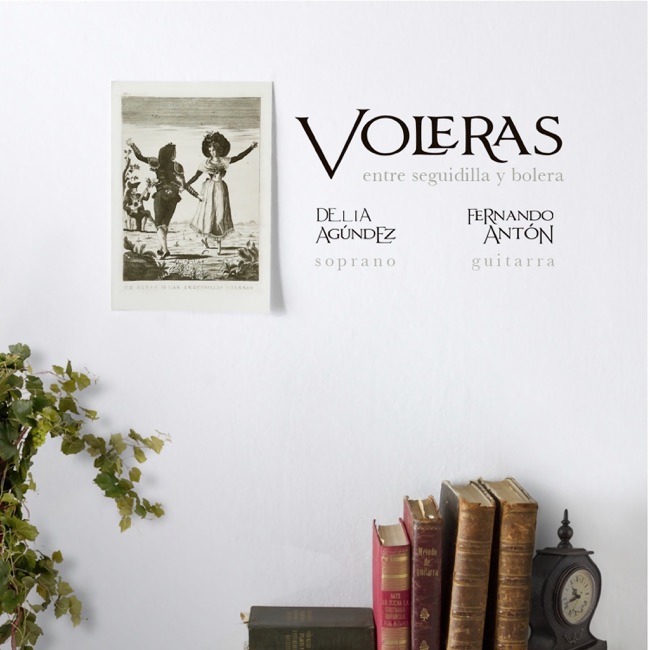 2012
2012
Chamber
-
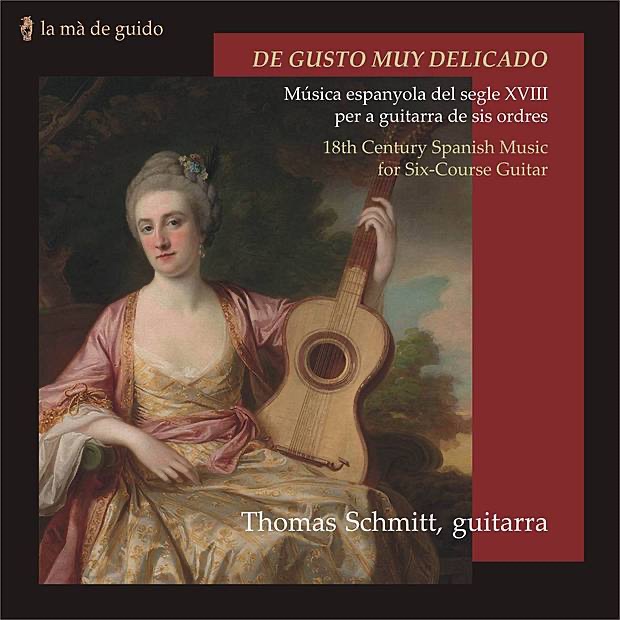 November 12, 2012
Artist Info
Role:ComposerBirth:1740Death:1816Genre:ChamberFernando Ferandière was a Spanish composer and musician who lived during the 18th century. He was born in Madrid in 1720, and his family was deeply involved in the music scene of the city. His father, Francisco Ferandière, was a renowned guitarist and composer, and his mother, María de la Cruz, was a singer and actress. Fernando Ferandière showed an early interest in music, and his parents encouraged him to pursue his passion. He received his first music lessons from his father, who taught him to play the guitar and the harp. He also studied music theory and composition with some of the most prominent musicians of the time, including José de Nebra and Antonio Soler. Ferandière's talent as a composer soon became evident, and he began to write music for the theater and the church. His first major work was a zarzuela called "La Viuda Valenciana," which was performed in Madrid in 1747. The zarzuela was a popular form of musical theater in Spain, and Ferandière became one of its most important composers. In addition to his work in the theater, Ferandière also composed music for the church. He was appointed as the organist of the Royal Convent of La Encarnación in Madrid, where he composed a large number of sacred works, including masses, motets, and hymns. His music was highly regarded by his contemporaries, and he was considered one of the most important composers of religious music in Spain. Ferandière's music was characterized by its elegance, simplicity, and lyricism. He was influenced by the Italian style of music, which was popular in Spain at the time, and his compositions often featured beautiful melodies and harmonies. His music was also notable for its use of the guitar, which he incorporated into many of his works. One of Ferandière's most famous works is his "Concierto de Aranjuez," which was composed in 1778. The concerto is a masterpiece of Spanish classical music and is considered one of the greatest works ever written for the guitar. The piece is named after the Royal Palace of Aranjuez, where it was first performed. The concerto is characterized by its beautiful melodies, intricate harmonies, and virtuosic guitar solos. Ferandière's other notable works include his "Misa de Difuntos," which is a requiem mass for the dead, and his "Cantata de la Paz," which is a cantata for peace. Both works are highly regarded for their beauty and emotional depth. Ferandière's music was highly influential in Spain during his lifetime, and his legacy continues to this day. His works have been performed and recorded by some of the most prominent musicians in the world, and his influence can be heard in the music of many contemporary Spanish composers. In conclusion, Fernando Ferandière was a highly talented and influential composer who made significant contributions to the music scene of 18th century Spain. His music was characterized by its elegance, simplicity, and lyricism, and he was considered one of the most important composers of religious music in Spain. His "Concierto de Aranjuez" is a masterpiece of Spanish classical music and is considered one of the greatest works ever written for the guitar. Ferandière's legacy continues to this day, and his music remains an important part of the Spanish classical music tradition.More....
Recent Artist Music
Copyright Ⓒ 2013 Davinci Finger. All rights reseved
Service Terms & Policy