


Mykola Kolessa
Released Album
Orchestral
-
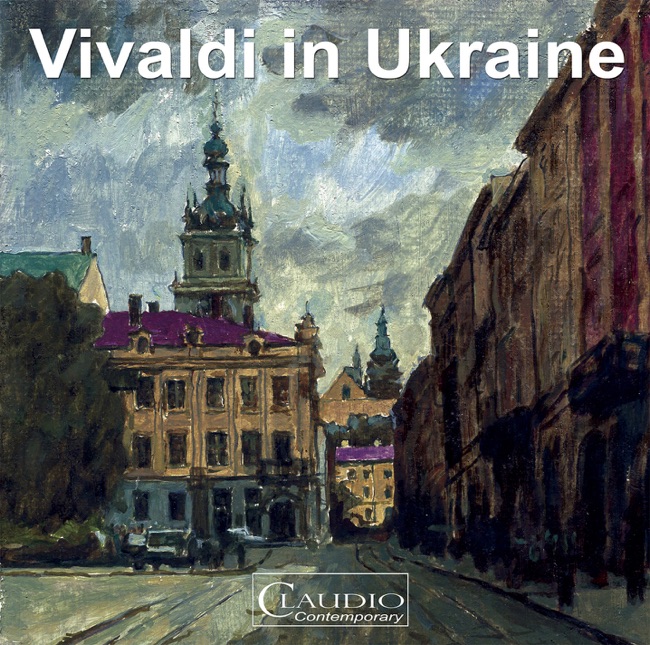 September 9, 2014
Keyboard
-
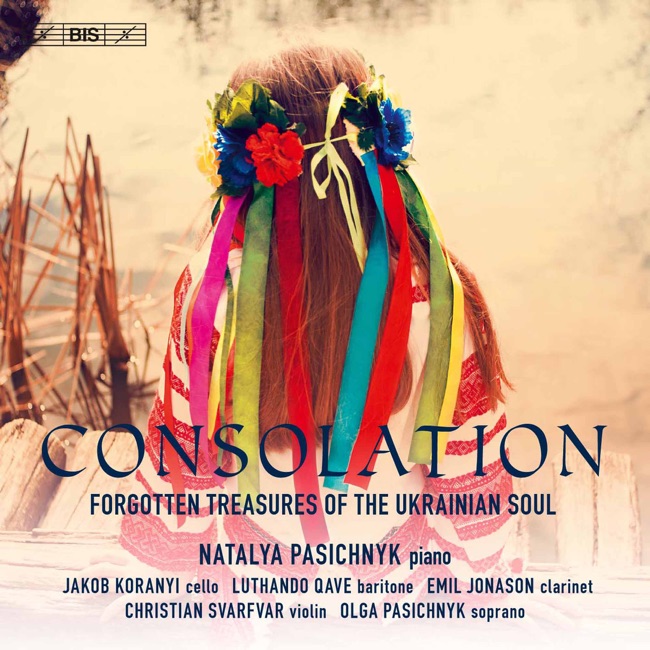 January 6, 2017
Artist Info
Role:ComposerPeriod:ModernGenre:SymphonyMykola Kolessa was a Ukrainian composer, conductor, and musicologist who made significant contributions to the development of classical music in Ukraine. He was born on September 1, 1903, in the village of Tovste, in the Ternopil region of Ukraine. His father, Oleksandr Kolessa, was a prominent Ukrainian composer, conductor, and musicologist, who played a significant role in shaping his son's musical career. Mykola Kolessa showed an early interest in music and began his musical education at the age of six. He received his first piano lessons from his mother, Maria Kolessa, who was also a talented musician. Later, he studied at the Lysenko Music School in Lviv, where he received a solid foundation in music theory, composition, and performance. In 1921, Kolessa enrolled at the Lviv Conservatory, where he studied composition with Stanyslav Liudkevych, a prominent Ukrainian composer and musicologist. He also studied conducting with Oleksandr Koshyts, a renowned Ukrainian conductor. During his studies, Kolessa became interested in Ukrainian folk music and began to incorporate elements of it into his compositions. After graduating from the Lviv Conservatory in 1926, Kolessa began his career as a composer and conductor. He worked as a conductor at the Lviv Opera and Ballet Theatre and the Ukrainian State Symphony Orchestra. He also taught music theory and composition at the Lviv Conservatory and the Kyiv Conservatory. Kolessa's compositions are characterized by their use of Ukrainian folk music elements, which he incorporated into his works in a sophisticated and original way. His music is known for its lyricism, emotional depth, and rich harmonies. Some of his most famous works include the opera "Taras Bulba," the ballet "The Forest Song," and the symphonic poem "Ukrainian Rhapsody." "Taras Bulba" is based on the novel of the same name by Ukrainian writer Nikolai Gogol. The opera tells the story of a Ukrainian Cossack leader who fights against Polish oppression. The music is characterized by its dramatic intensity, powerful choral sections, and folk-inspired melodies. "The Forest Song" is a ballet based on a Ukrainian folk tale. The music is characterized by its lush orchestration, delicate melodies, and intricate rhythms. The ballet is considered one of Kolessa's most significant works and is still performed today. "Ukrainian Rhapsody" is a symphonic poem that showcases Kolessa's skill as an orchestrator. The piece is based on Ukrainian folk melodies and features a wide range of instruments, including the bandura, a traditional Ukrainian stringed instrument. The music is characterized by its lively rhythms, colorful harmonies, and virtuosic solo passages. In addition to his work as a composer, Kolessa was also a respected musicologist. He conducted extensive research into Ukrainian folk music and published several books on the subject. His research helped to preserve and promote Ukrainian folk music, which had been suppressed during the Soviet era. Kolessa's contributions to Ukrainian music were recognized both in Ukraine and internationally. He received numerous awards and honors, including the title of People's Artist of Ukraine and the Order of Lenin, the highest civilian honor in the Soviet Union. He also served as the president of the Ukrainian Composers' Union and was a member of the Union of Soviet Composers. Mykola Kolessa died on December 24, 2006, in Kyiv, Ukraine, at the age of 103.More....
Copyright Ⓒ 2013 Davinci Finger. All rights reseved
Service Terms & Policy