


Walter Leigh
Released Album
Concerto
-
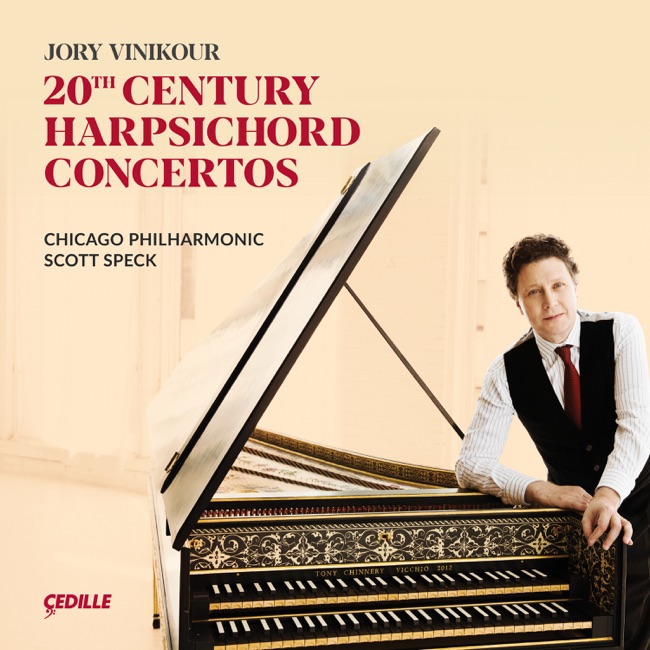 June 14, 2019
Orchestral
-
 May 27, 2016
Chamber
-
 November 30, 2010
 -
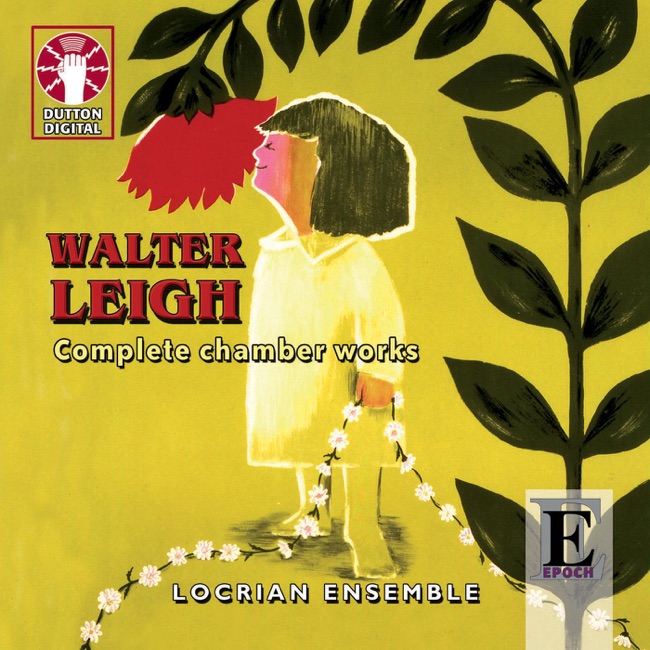 January 11, 2005
Opera
-
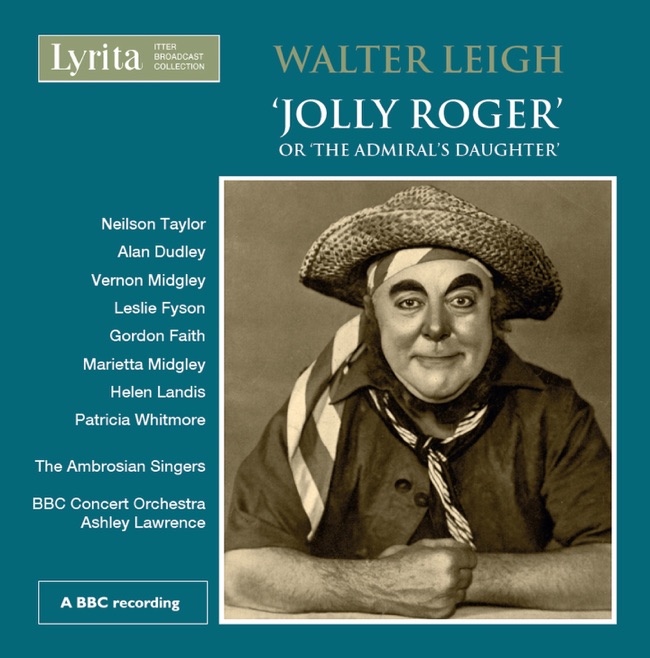 August 7, 2015
Artist Info
Role:ComposerCountry: United KingdomBirth:June 22, 1905 in London, EnglandDeath:June 12, 1942 in Tobruk, LibyaPeriod:ModernGenre:ConcertoKeyboardWalter Leigh was a British composer who was born on June 22, 1905, in Margate, Kent. He was the son of a wealthy family and was educated at Eton College and then at Christ Church, Oxford, where he studied music under Hugh Allen. Leigh was a talented musician from a young age and showed a particular aptitude for the piano and the violin. After completing his studies at Oxford, Leigh moved to London to pursue a career in music. He quickly established himself as a composer and began to receive commissions for his work. In 1929, he was awarded the prestigious Mendelssohn Scholarship, which allowed him to study in Berlin with the composer Paul Hindemith. During the 1930s, Leigh continued to compose and his work was performed by some of the leading orchestras and ensembles in Britain. He also became involved in the film industry, composing music for several films, including "The Water Gipsies" and "The Four Feathers." In 1939, Leigh joined the British Army and was commissioned as a lieutenant in the Royal Army Ordnance Corps. He served in France and Belgium during the early years of World War II, but was captured by the Germans in 1940 and spent the next five years as a prisoner of war. Despite the difficult conditions of his captivity, Leigh continued to compose music and even managed to have some of his work performed by fellow prisoners. He also wrote a number of letters to his family and friends, in which he described his experiences and his thoughts on music and life. After the war, Leigh returned to Britain and resumed his career as a composer. He wrote a number of works for the concert hall, including a piano concerto, a violin concerto, and a symphony. He also continued to work in the film industry, composing music for several films, including "The Small Back Room" and "The Sound Barrier." In 1948, Leigh was killed in a plane crash while on his way to a film scoring session in France. He was just 43 years old at the time of his death. Despite his relatively short career, Leigh left behind a significant body of work that is still performed and admired today. His music is characterized by its lyricism, its rhythmic vitality, and its inventive use of harmony and orchestration. Some of his most notable works include the "Concertino for Harpsichord and Strings," the "Concerto for Piano and Strings," and the "Concerto for Violin and Orchestra." Leigh's music is also notable for its versatility and its ability to move between different genres and styles. He was equally at home writing for the concert hall, the opera stage, and the film studio, and his work reflects a deep understanding of the different demands and expectations of each of these contexts. In addition to his musical achievements, Leigh is also remembered for his courage and resilience in the face of adversity. His experiences as a prisoner of war were a testament to his strength of character and his determination to continue creating and sharing his music, even in the most difficult of circumstances. Today, Walter Leigh is recognized as one of the most important British composers of the early 20th century. His music continues to be performed and recorded by leading orchestras and ensembles around the world, and his legacy as a composer and a human being remains an inspiration to musicians and music lovers everywhere.More....
Recent Artist Music
2
4:3
7
3:30
Copyright Ⓒ 2013 Davinci Finger. All rights reseved
Service Terms & Policy