


Joel Feigin
Released Album
Keyboard
-
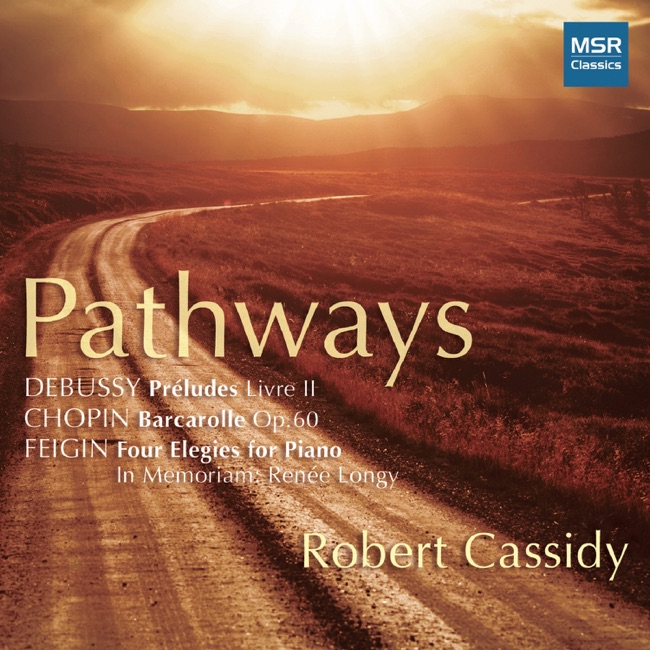 February 9, 2016
 -
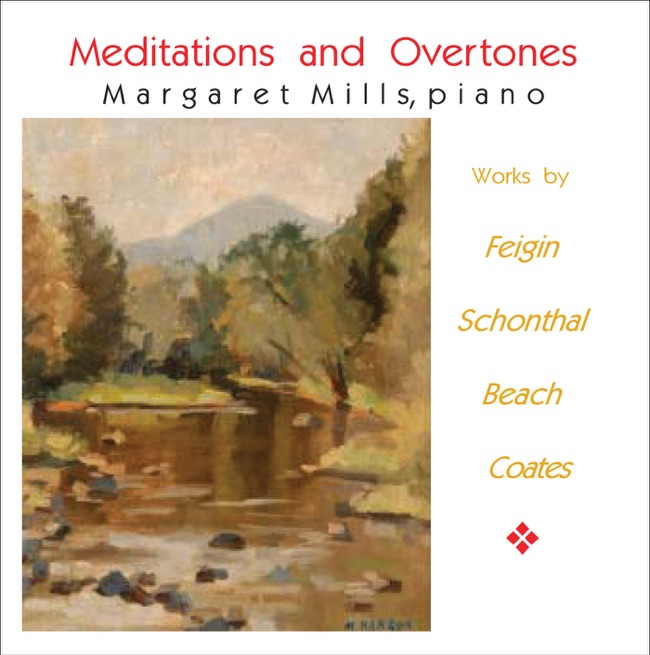 May 25, 2010
Chamber
-
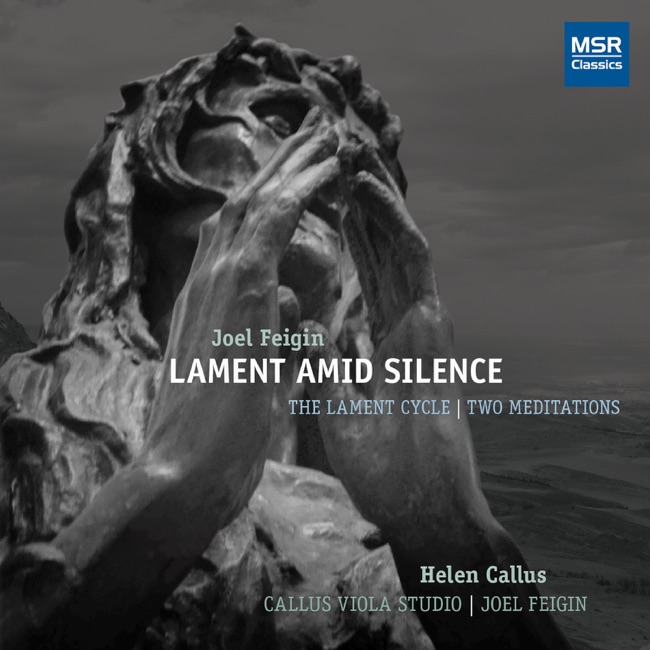 November 13, 2012
Artist Info
Role:Composer PerformerJoel Feigin was born on August 11, 1941, in New York City. He grew up in a musical family, with his father being a violinist and his mother a pianist. Feigin began playing the piano at a young age and showed a natural talent for music. He went on to study at the Juilliard School of Music, where he received his Bachelor of Music degree in 1963. After completing his studies, Feigin began his career as a composer. He was heavily influenced by the works of Arnold Schoenberg and other composers of the Second Viennese School. Feigin's early works were characterized by their atonal and dissonant qualities, which reflected his interest in the avant-garde. In the 1970s, Feigin began to move away from atonality and began incorporating tonal elements into his compositions. This shift was influenced by his interest in the music of J.S. Bach and other Baroque composers. Feigin's works from this period are characterized by their use of counterpoint and their incorporation of Baroque forms such as the fugue. One of Feigin's most notable works from this period is his String Quartet No. 2, which was composed in 1976. The piece is a four-movement work that incorporates elements of both atonality and tonality. The first movement is characterized by its use of dissonant harmonies and angular melodies, while the second movement is more lyrical and tonal in nature. The third movement is a lively scherzo, and the final movement is a fugue that incorporates elements of both atonality and tonality. In the 1980s, Feigin began to incorporate more traditional forms into his compositions, such as the sonata and the concerto. He also began to incorporate elements of jazz and popular music into his works. Feigin's works from this period are characterized by their accessibility and their use of tonal harmonies. One of Feigin's most notable works from this period is his Piano Concerto, which was composed in 1985. The piece is a three-movement work that features a solo piano accompanied by a full orchestra. The first movement is characterized by its use of syncopated rhythms and jazz-influenced harmonies. The second movement is a lyrical adagio, and the final movement is a lively rondo that incorporates elements of both jazz and classical music. In the 1990s, Feigin began to incorporate more experimental elements into his compositions. He began to use electronic instruments and computer-generated sounds in his works. Feigin's works from this period are characterized by their use of unconventional sounds and their incorporation of technology. One of Feigin's most notable works from this period is his Symphony No. 2, which was composed in 1997. The piece is a four-movement work that features a full orchestra and electronic instruments. The first movement is characterized by its use of electronic sounds and unconventional harmonies. The second movement is a lyrical adagio that features a solo cello. The third movement is a lively scherzo that incorporates elements of jazz and popular music. The final movement is a complex fugue that features both electronic and acoustic instruments. Throughout his career, Feigin has been recognized for his contributions to contemporary classical music. He has received numerous awards and honors, including the Guggenheim Fellowship and the National Endowment for the Arts Composer Fellowship.More....
Recent Artist Music
Copyright Ⓒ 2013 Davinci Finger. All rights reseved
Service Terms & Policy