


Paul Wranitzky
Released Album
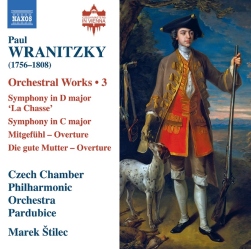
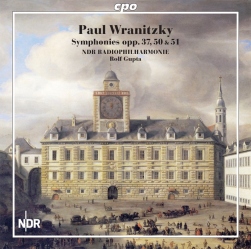
Symphony
-
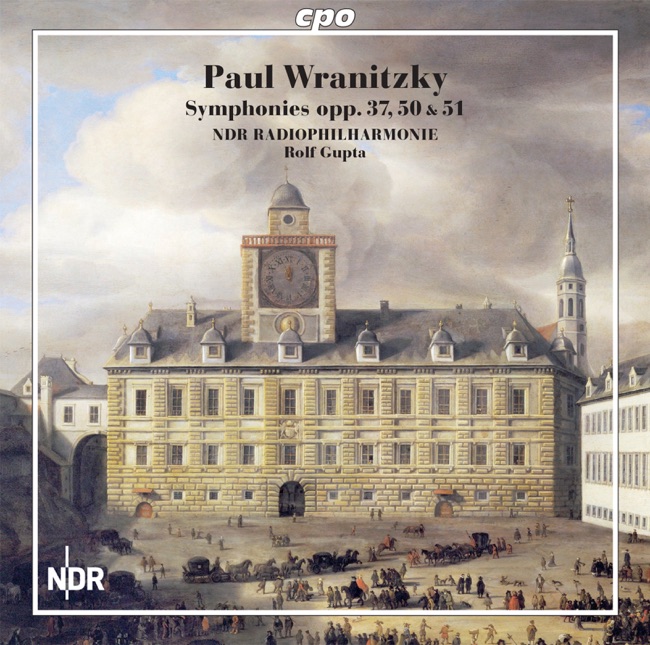 November 4, 2022
 -
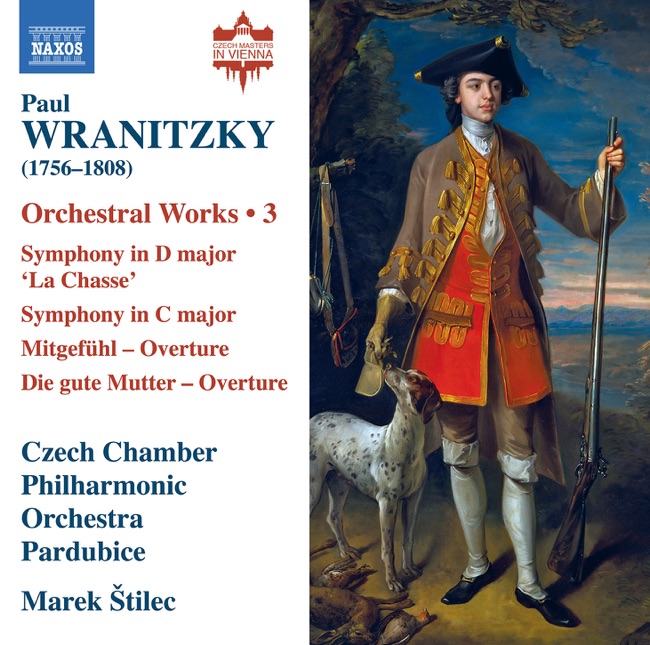 October 8, 2021
 -
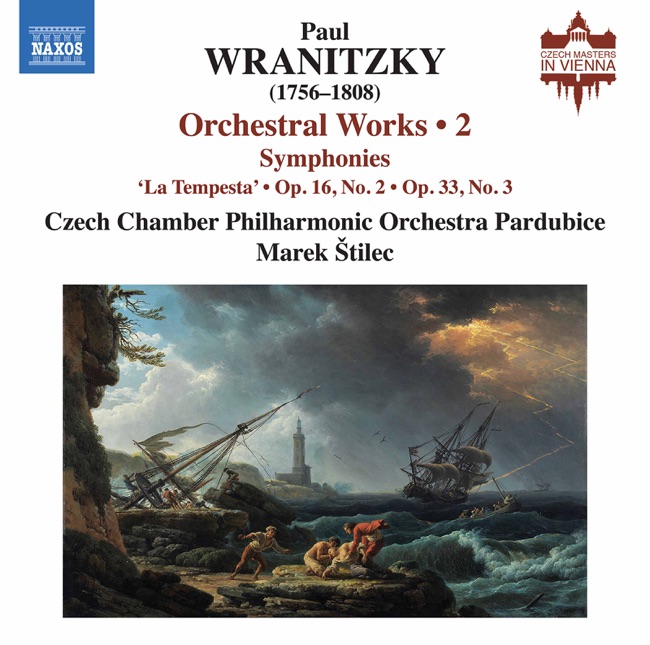 July 23, 2021
 -
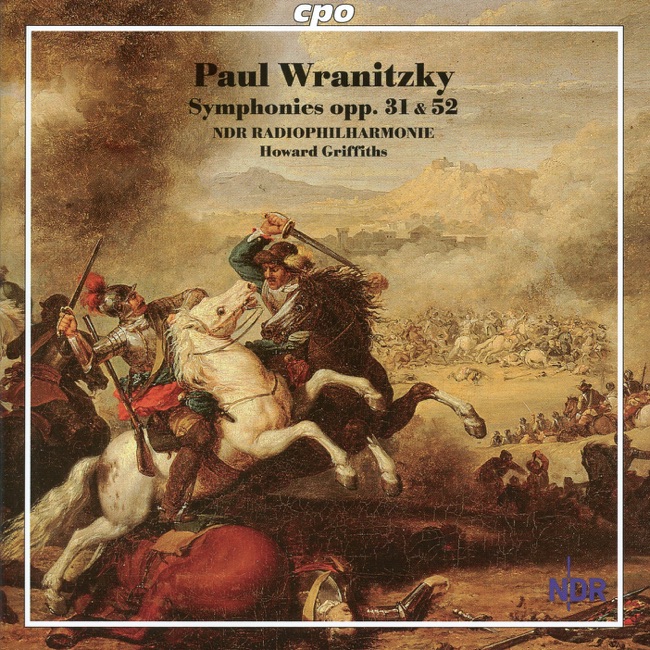 November 21, 2006
 -
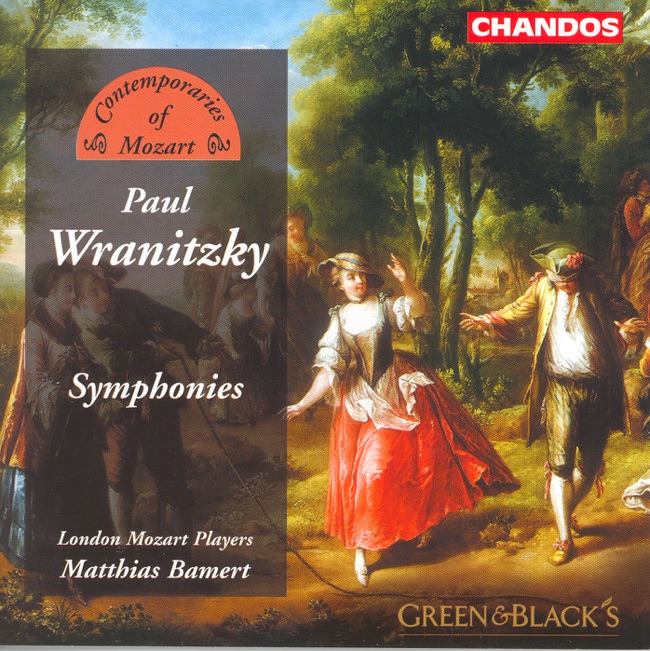 January 14, 2002
 -
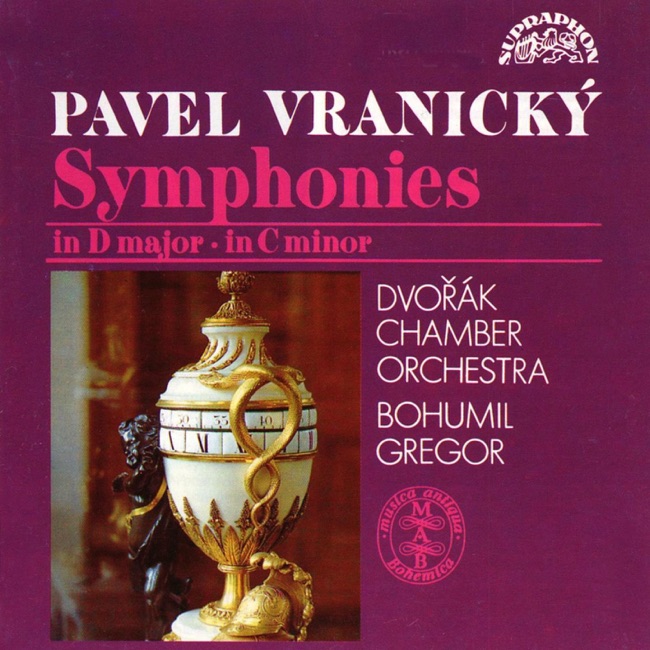 April 20, 1994
Opera
-
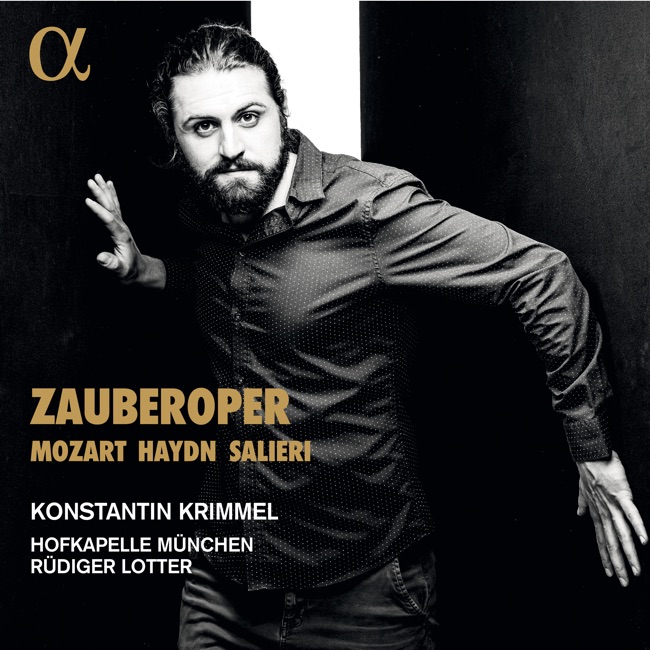 October 14, 2022
 -
 February 3, 2015
 -
 January 1, 2012
 -
 January 1, 2012
Chamber
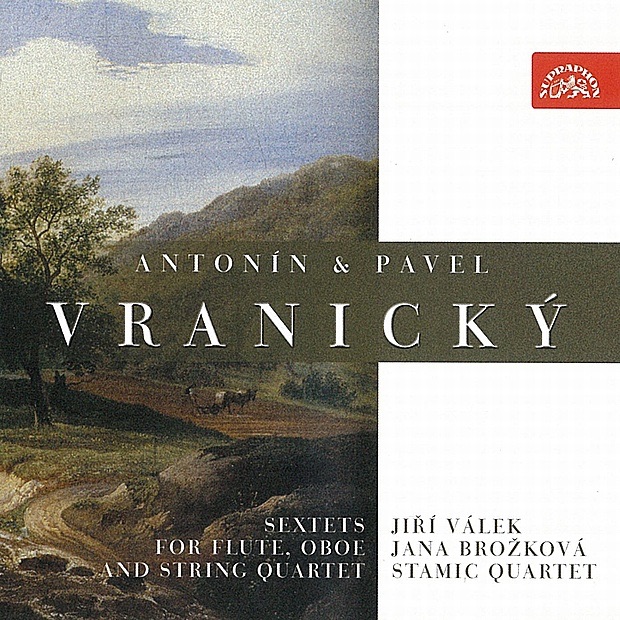
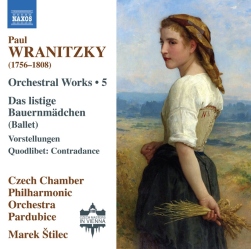
Orchestral
-
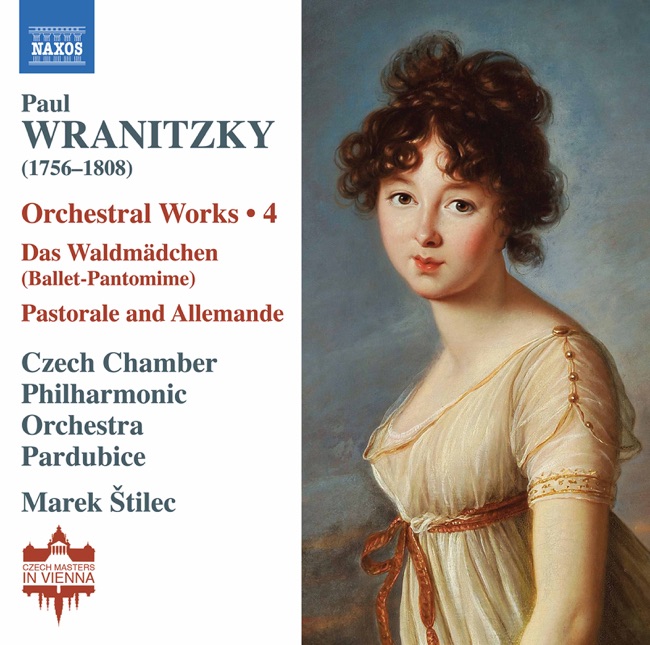 April 8, 2022
Artist Info
Role:ComposerCountry: Czech RepublicBirth:December 30, 1756 in Nová Ríse, MoraviaDeath:September 29, 1808 in Vienna, AustriaPeriod:ClassicalGenre:ChamberSymphonyPaul Wranitzky was a prominent classical music composer of the late 18th and early 19th centuries. He was born on December 30, 1756, in Neureisch, Moravia, which is now part of the Czech Republic. Wranitzky was the son of a schoolmaster and a musician, and he grew up in a musical family. His father taught him to play the violin, and he also received instruction from local musicians. Wranitzky began his career as a violinist, playing in the orchestra of Count Franz von Fünfkirchen in Vienna. He soon became a sought-after performer, and he played in the orchestras of several prominent composers, including Christoph Willibald Gluck and Wolfgang Amadeus Mozart. Wranitzky also began to compose his own music, and he quickly gained a reputation as a talented composer. In 1783, Wranitzky was appointed Kapellmeister (music director) of the court of Prince Karl Lichnowsky in Vienna. This was a prestigious position, and it allowed Wranitzky to focus on his composing. He wrote a wide variety of music, including symphonies, string quartets, operas, and ballets. His music was well-received, and he became one of the most popular composers of his time. One of Wranitzky's most famous works is his Symphony in D minor, Op. 31, which he composed in 1796. This symphony is notable for its dramatic and emotional themes, and it is considered one of the finest examples of the Sturm und Drang (storm and stress) style of music. The symphony was a great success, and it was performed frequently throughout Europe. Wranitzky also composed several operas, including "Oberon, King of the Elves," which was first performed in Vienna in 1789. This opera was based on a popular fairy tale, and it was a great success. Wranitzky's music was praised for its beauty and its ability to capture the magical atmosphere of the story. In addition to his work as a composer, Wranitzky was also a respected conductor. He conducted many of his own works, as well as those of other composers. He was known for his ability to bring out the best in his musicians, and his performances were always well-received. Wranitzky continued to compose and perform throughout his life, and he remained a popular figure in the music world until his death on September 29, 1808. His legacy lives on through his music, which continues to be performed and enjoyed by audiences around the world. In conclusion, Paul Wranitzky was a talented and influential composer of the late 18th and early 19th centuries. He was born into a musical family and began his career as a violinist before turning to composing. He wrote a wide variety of music, including symphonies, operas, and ballets, and his work was well-received by audiences and critics alike. Wranitzky's music continues to be performed and enjoyed today, and he remains an important figure in the history of classical music.More....
Recent Artist Music

3
7:46
4
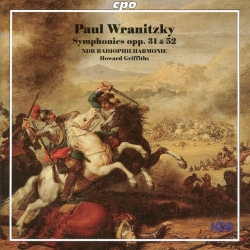
Grand Characteristic Symphony for the Peace with the French Republic in C major, Op. 31
Die Revolution. Marsch der Engländer. Marsch der Österreicher und Preußen. Andante maestoso-Allegro
10:49

Recommend Playlist



Copyright Ⓒ 2013 Davinci Finger. All rights reseved
Service Terms & Policy