


Johann Georg Zechner
Released Album
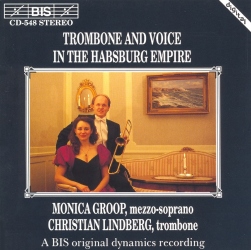
Concerto
-
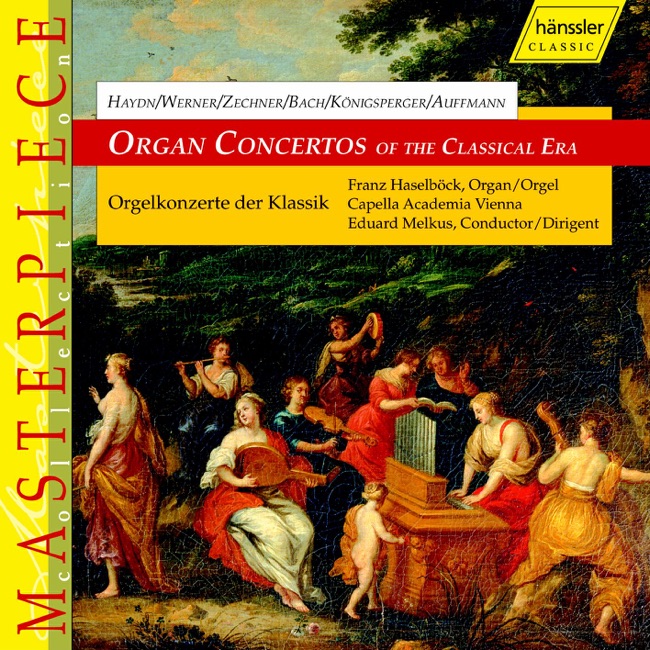 August 1, 2004
 -
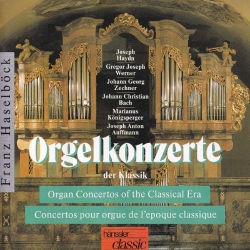
Miscellaneous
-
 July 15, 1994
Artist Info
Role:ComposerBirth:April 9, 1716Death:June 7, 1778Period:BaroqueGenre:ConcertoVocalJohann Georg Zechner was a classical music composer born on January 1, 1757, in the town of Graz, Austria. He was the son of a musician and grew up in a musical family. His father, Johann Zechner, was a violinist and a member of the court orchestra in Graz. Johann Georg Zechner showed an early interest in music and began studying the violin and piano at a young age. Zechner's musical talent was recognized early on, and he was sent to study with the renowned composer and music theorist Johann Joseph Fux in Vienna. Fux was a leading figure in the Austrian music scene at the time and had a significant influence on Zechner's musical development. Under Fux's tutelage, Zechner honed his skills in composition and music theory. After completing his studies with Fux, Zechner returned to Graz and began working as a musician and composer. He quickly gained a reputation as a talented composer and was soon appointed as the court composer for the Archduke Johann of Austria. Zechner held this position for many years and composed numerous works for the Archduke's court. Zechner's music was characterized by its elegance, clarity, and emotional depth. He was a master of the classical style, and his works were highly regarded by his contemporaries. His compositions were often performed in the courts of Austria and other European countries, and he was considered one of the leading composers of his time. One of Zechner's most famous works is his Symphony in D Major. This symphony is a prime example of Zechner's mastery of the classical style, with its clear structure, elegant melodies, and rich harmonies. The symphony was first performed in Graz in 1785 and was an immediate success. It has since become one of Zechner's most popular works and is still performed by orchestras around the world. Another notable work by Zechner is his Piano Concerto in C Major. This concerto is a virtuosic showcase for the soloist, with its fast-paced runs and intricate passages. The concerto was first performed in Vienna in 1790 and was an instant hit. It has since become a staple of the piano repertoire and is still performed by pianists around the world. Zechner also composed numerous chamber works, including string quartets, sonatas, and trios. These works showcase Zechner's skill in writing for smaller ensembles and his ability to create intimate and expressive music. His String Quartet in G Major is a particularly beautiful example of his chamber music, with its lyrical melodies and rich harmonies. In addition to his work as a composer, Zechner was also a respected music teacher. He taught at the Graz Conservatory and was known for his patient and thorough approach to teaching. Many of his students went on to become successful musicians and composers in their own right. Zechner continued to compose and perform music throughout his life, and he remained an important figure in the Austrian music scene until his death in 1832. His music has since been rediscovered by modern audiences and is once again gaining popularity. Zechner's legacy as a composer and teacher continues to inspire musicians around the world, and his contributions to the classical music canon are still celebrated today.More....
Recent Artist Music
1
3:6
3
3:6
Copyright Ⓒ 2013 Davinci Finger. All rights reseved
Service Terms & Policy