


Martin Dalby
Released Album
Chamber
-
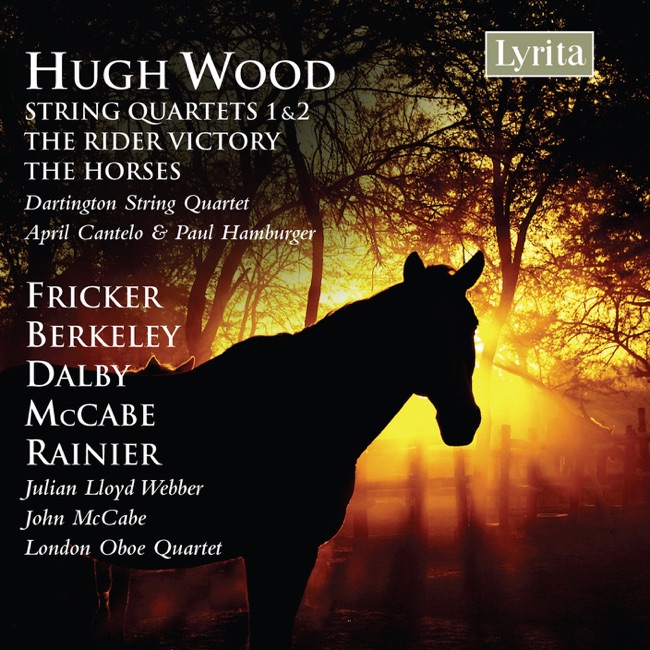
-
 February 22, 2005
Keyboard
-
 March 28, 2006
Band
-
 February 13, 2012
Artist Info
Role:ComposerCountry: United KingdomBirth:1942 in Aberdeen, ScotlandDeath:2018Period:RomanticContemporaryGenre:OrchestralMartin Dalby is a Scottish composer who was born on February 12, 1942, in Aberdeen, Scotland. He grew up in a musical family, with his father being a church organist and his mother a pianist. Dalby began playing the piano at a young age and later learned to play the violin and viola. He attended the Royal Scottish Academy of Music and Drama in Glasgow, where he studied composition with Thomas Wilson and piano with Ronald Stevenson. After completing his studies, Dalby worked as a freelance composer and pianist, performing with various ensembles and orchestras. In 1970, he was appointed as a lecturer in music at the University of Edinburgh, where he taught composition and music theory for over 30 years. During this time, he also served as the director of the Edinburgh Contemporary Arts Trust and the Edinburgh Festival Fringe. Dalby's compositions are known for their use of Scottish folk music and poetry, as well as their incorporation of contemporary techniques and styles. His early works, such as the String Quartet No. 1 (1966) and the Piano Sonata No. 1 (1968), show the influence of serialism and other modernist techniques. However, he later moved away from these styles and began to incorporate more tonal and traditional elements into his music. One of Dalby's most famous works is his opera, The Fall of the House of Usher, which was commissioned by the Scottish Opera and premiered in 1977. Based on the short story by Edgar Allan Poe, the opera features a libretto by the Scottish poet Iain Crichton Smith and is known for its haunting and atmospheric music. The opera was well-received by audiences and critics alike and helped to establish Dalby as one of Scotland's leading composers. Another notable work by Dalby is his Symphony No. 1, which was commissioned by the BBC and premiered in 1984. The symphony is a tribute to the Scottish poet Robert Burns and features settings of several of his poems, including "A Red, Red Rose" and "To a Mouse." The work is scored for a large orchestra and chorus and is known for its lush and romantic melodies. In addition to his larger works, Dalby has also composed numerous chamber music pieces, including several string quartets and a piano trio. His String Quartet No. 3, which was commissioned by the Edinburgh Quartet and premiered in 1990, is particularly notable for its use of Scottish folk music and its incorporation of traditional Scottish fiddle techniques. Dalby has received numerous awards and honors for his contributions to Scottish music, including the OBE in 1991 and the CBE in 2003. He has also served as the president of the Scottish Music Centre and the Scottish Society of Composers. Despite retiring from his teaching position at the University of Edinburgh in 2005, Dalby continues to compose and perform, and his music remains an important part of the Scottish classical music tradition.More....
Recent Artist Music
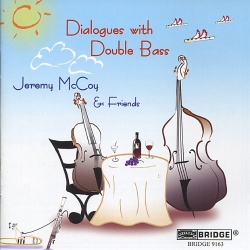
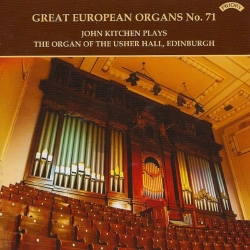
3
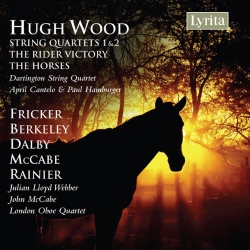
8:45
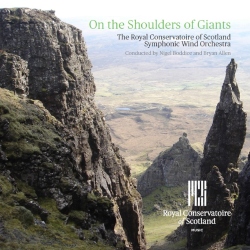
Copyright Ⓒ 2013 Davinci Finger. All rights reseved
Service Terms & Policy