


Karl Joachim Andersen
Released Album
Chamber
-
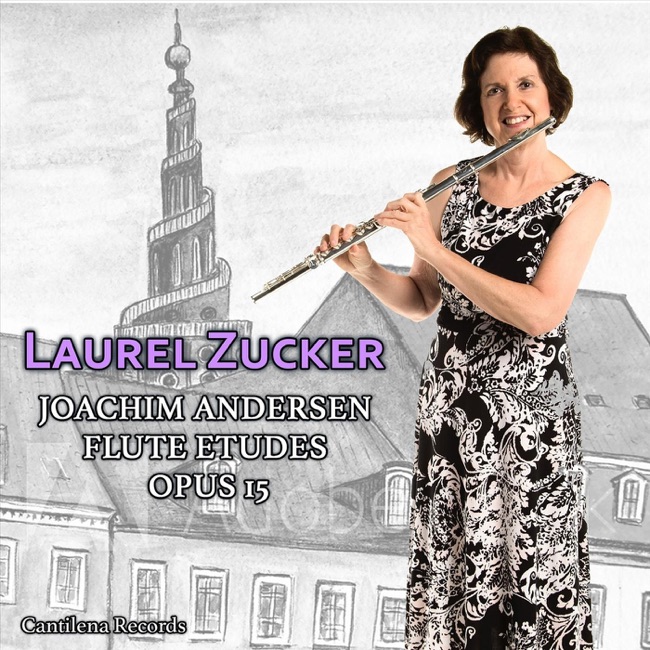 July 1, 2021
 -
 April 17, 2020
 -
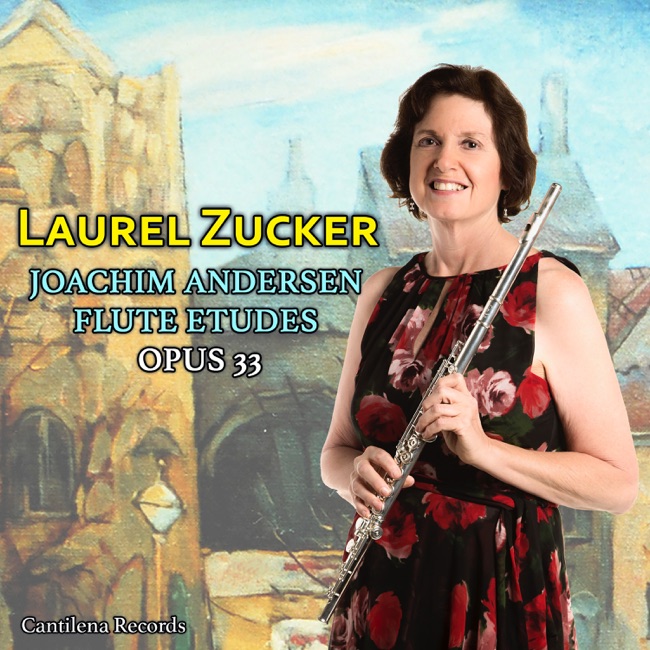 July 31, 2019
 -
 May 4, 2018
 -
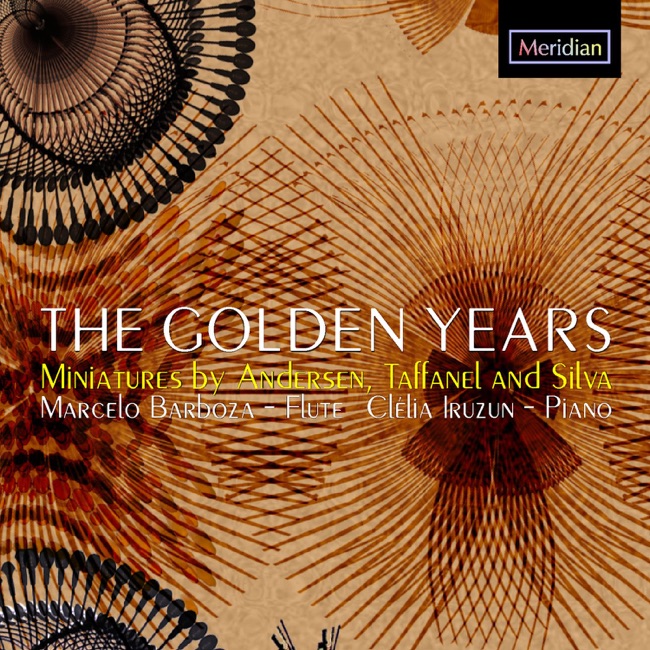 November 11, 2014
 -
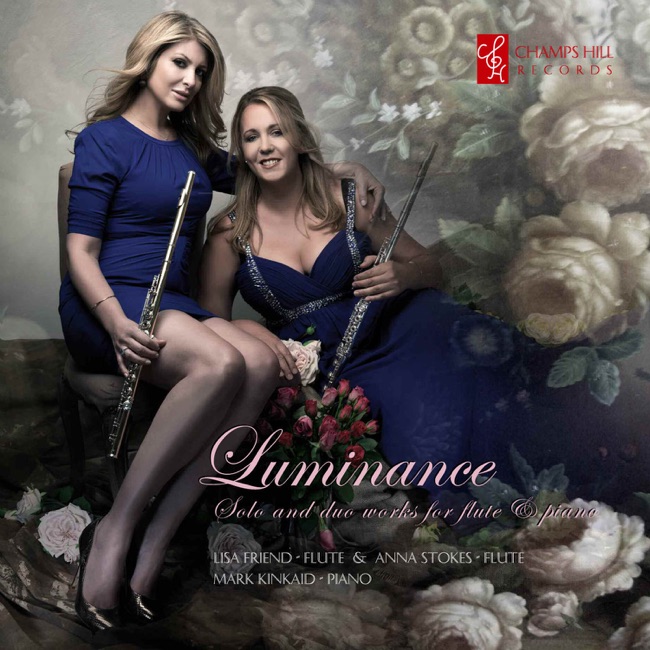 January 6, 2014
Miscellaneous
-
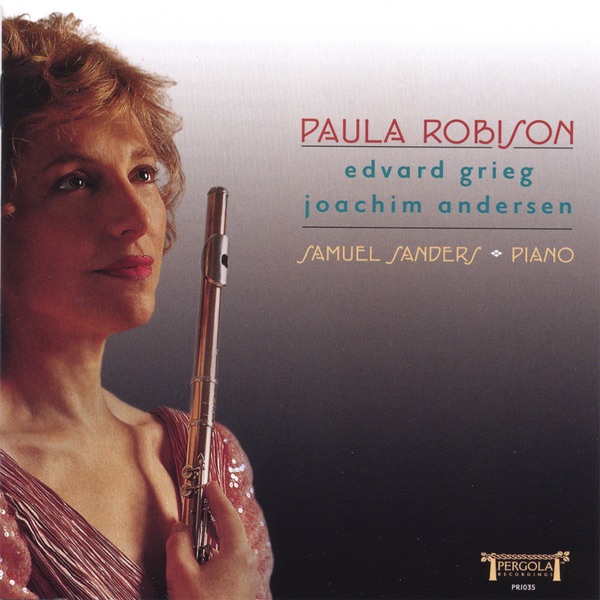 October 24, 2006
Artist Info
Role:ComposerCountry: DenmarkBirth:April 29, 1847 in Copenhagen, DenmarkDeath:May 7, 1909 in Copenhagen, DenmarkPeriod:ModernGenre:ChamberKarl Joachim Andersen was a Danish flutist and composer who lived from 1847 to 1909. He was born in Copenhagen, Denmark, on April 29, 1847, to a family of musicians. His father, Christian Joachim Andersen, was a flutist and composer, and his mother, Julie Frederikke Andersen, was a pianist. Andersen showed an early interest in music and began playing the flute at the age of nine. Andersen received his early musical education from his father and later studied at the Royal Danish Academy of Music in Copenhagen. He was a talented student and won several awards and prizes during his time at the academy. After completing his studies, Andersen began his career as a flutist and quickly gained a reputation as one of the finest flutists of his time. In addition to his career as a performer, Andersen was also a prolific composer. He wrote over 100 works for the flute, including solo pieces, chamber music, and concertos. His compositions were influenced by the Romantic style of music, and he often incorporated elements of Danish folk music into his works. One of Andersen's most famous works is his Concerto for Flute and Orchestra, Op. 15. The concerto was written in 1878 and is considered one of the most important works in the flute repertoire. It is a virtuosic piece that showcases the technical abilities of the flute and has become a staple of the flute repertoire. Another notable work by Andersen is his Suite for Flute and Piano, Op. 33. The suite consists of four movements and is a beautiful example of Andersen's ability to blend classical and folk music styles. The suite has become a popular piece for flute players and is often performed in recitals and competitions. Andersen also wrote several works for flute and orchestra, including his Ballade for Flute and Orchestra, Op. 2. The piece is a lyrical and expressive work that showcases the flute's ability to convey emotion and feeling. It has become a popular piece for flute players and is often performed in concerts and competitions. In addition to his compositions for the flute, Andersen also wrote several works for other instruments, including his String Quartet, Op. 10. The quartet is a beautiful example of Andersen's ability to write for multiple instruments and showcases his skill as a composer. Throughout his career, Andersen was recognized for his contributions to music. He was awarded the Order of the Dannebrog, one of Denmark's highest honors, in 1896. He was also made a Knight of the Legion of Honor by the French government in 1908. Andersen died on May 7, 1909, in Copenhagen, Denmark. He left behind a legacy as one of the greatest flutists and composers of his time. His works continue to be performed and studied by musicians around the world, and his contributions to the flute repertoire have had a lasting impact on the world of classical music.More....
Recent Artist Music
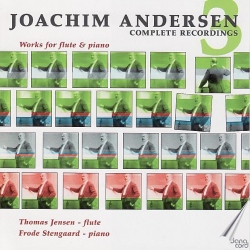
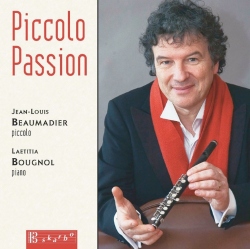
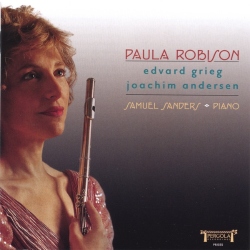
5
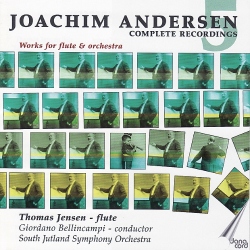
8:51
8
8:7
10
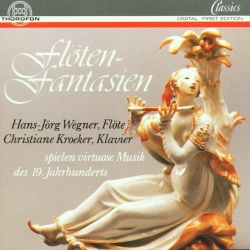
3:11
11
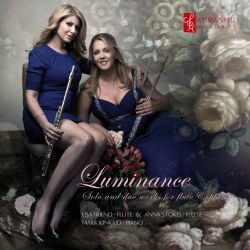
Morceaux for the Flute, Op. 57
Romance "Le Calme" (No. 1) from Trois Morceaux for flute & piano, Op. 57
4:25
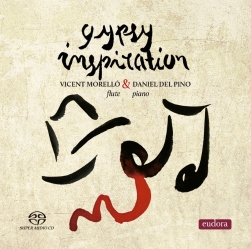
13
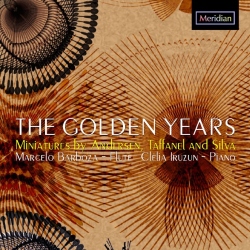
2:45
Copyright Ⓒ 2013 Davinci Finger. All rights reseved
Service Terms & Policy