


Johann Christian Schieferdecker
Released Album
Vocal
-
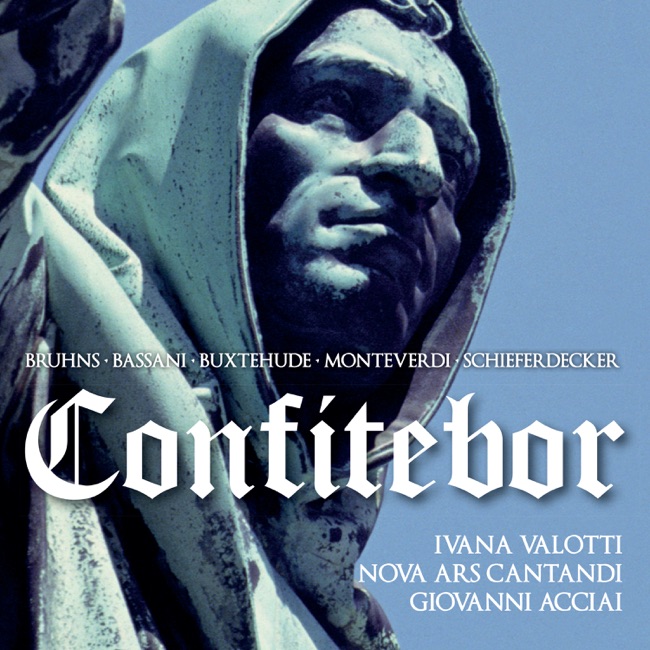 October 20, 2017
 -
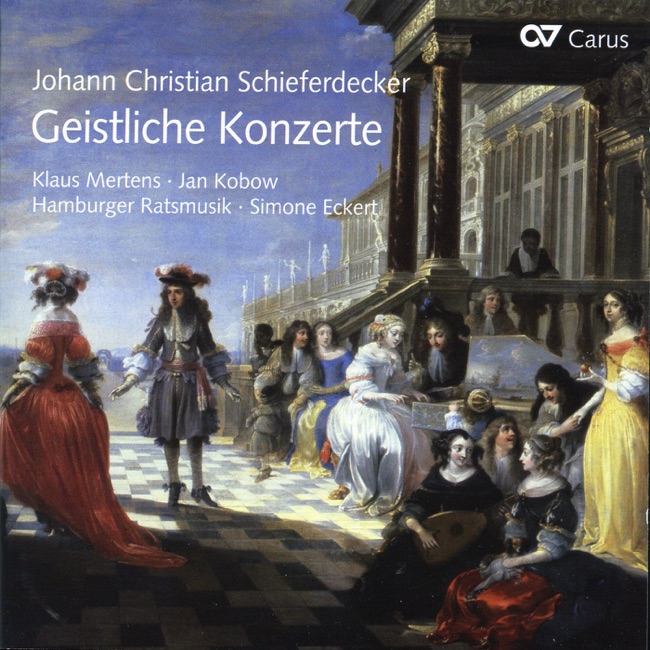 June 26, 2012
Artist Info
Role:ComposerBirth:1679Death:1732Johann Christian Schieferdecker was a German composer and musician who lived during the Baroque period. He was born on March 9, 1679, in Teuchern, a small town in Saxony-Anhalt, Germany. Schieferdecker was the son of a Lutheran pastor, and he grew up in a musical family. His father was a skilled musician who taught him how to play the organ and the harpsichord. Schieferdecker began his musical career as a choirboy at the St. Thomas Church in Leipzig, where he received a thorough education in music theory and composition. He later studied with Johann Kuhnau, the famous composer and organist who was also the director of music at the St. Thomas Church. Kuhnau was a major influence on Schieferdecker's musical style, and he taught him how to write music that was both technically complex and emotionally expressive. In 1701, Schieferdecker was appointed as the organist at the Marienkirche in Frankfurt an der Oder, a position he held for the rest of his life. He also served as the director of music at the church, where he was responsible for composing and performing music for the church services. Schieferdecker was highly respected in Frankfurt an der Oder, and he was known for his skill as an organist and his ability to write music that was both beautiful and meaningful. Schieferdecker's music was heavily influenced by the works of Johann Sebastian Bach, who was a contemporary of his. Like Bach, Schieferdecker was a master of counterpoint, and he wrote music that was complex and intricate. However, his music was also more emotional and expressive than Bach's, and he often used chromaticism and dissonance to create a sense of tension and drama in his compositions. One of Schieferdecker's most famous works is his cantata "Die Auferstehung und Himmelfahrt Jesu Christi," which was composed in 1708. The cantata tells the story of the resurrection and ascension of Jesus Christ, and it is a powerful and moving work that showcases Schieferdecker's skill as a composer. The cantata features a variety of musical styles, including recitative, aria, and chorale, and it is notable for its use of chromaticism and dissonance to create a sense of drama and tension. Another notable work by Schieferdecker is his "Concerto for Two Trumpets and Strings," which was composed in the early 1700s. The concerto is a lively and energetic work that showcases Schieferdecker's skill as a composer of instrumental music. The piece features two trumpets playing in harmony, accompanied by a string orchestra, and it is notable for its use of counterpoint and its lively rhythms. Schieferdecker was also known for his skill as an organist, and he composed a number of works for the organ. One of his most famous organ works is his "Praeludium in G Major," which is a lively and energetic piece that showcases Schieferdecker's skill as a performer. The piece features a variety of musical styles, including fugue and toccata, and it is notable for its use of counterpoint and its complex rhythms. Despite his skill as a composer and musician, Schieferdecker's music fell out of favor after his death in 1732. It was not until the 20th century that his music began to be rediscovered and appreciated by modern audiences. Today, Schieferdecker is recognized as one of the great composers of the Baroque period, and his music continues to be performed and enjoyed by music lovers around the world.More....
Copyright Ⓒ 2013 Davinci Finger. All rights reseved
Service Terms & Policy