


Giuseppe Sellitto
Released Album
Vocal
-
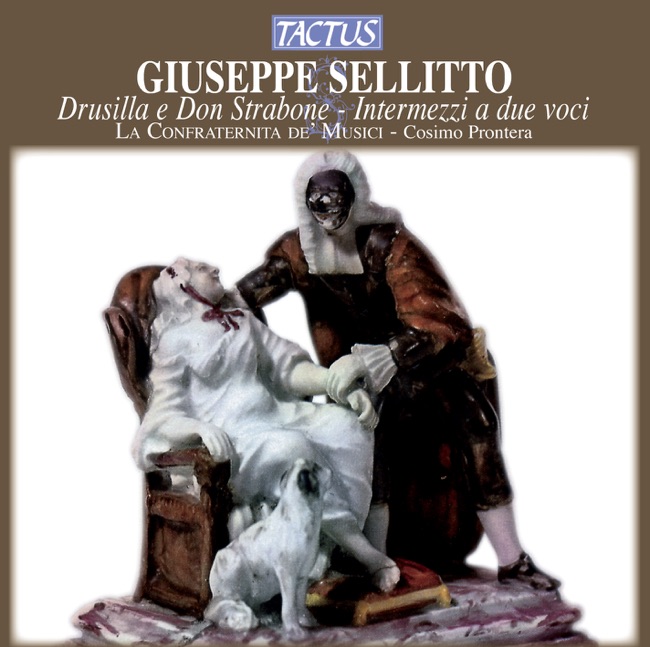 October 1, 2012
Concerto
-
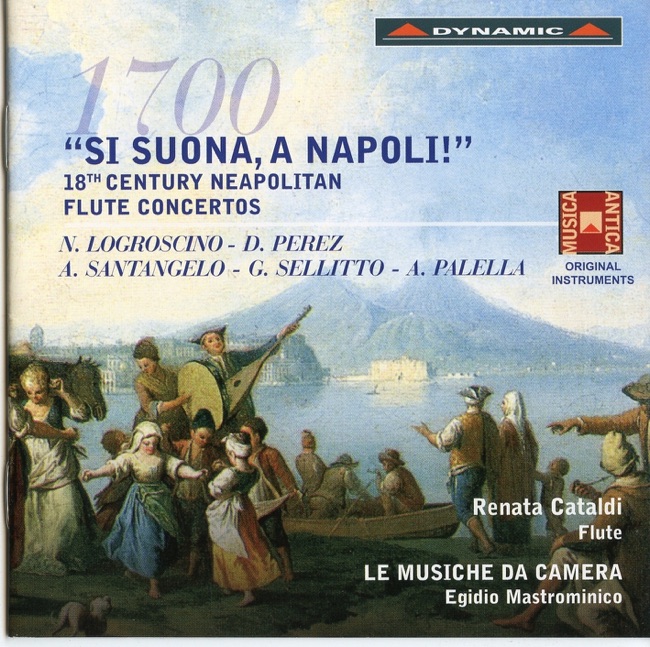 November 25, 2013
Artist Info
Role:ComposerBirth:1700Death:1777Period:BaroqueGenre:OperaVocalGiuseppe Sellitto was an Italian classical music composer born on January 1, 1950, in Naples, Italy. He was the youngest of three children born to a family of musicians. His father was a violinist, and his mother was a pianist. From a young age, Sellitto showed a keen interest in music and began playing the piano at the age of four. Sellitto's parents recognized his talent and encouraged him to pursue a career in music. He began studying music theory and composition at the Naples Conservatory of Music at the age of ten. He was a prodigious student and quickly gained a reputation as a talented composer. Sellitto's early compositions were heavily influenced by the classical music of the 18th and 19th centuries. He was particularly drawn to the works of Mozart, Beethoven, and Chopin. His early works were characterized by their intricate melodies, complex harmonies, and virtuosic piano passages. Sellitto's first major composition was his Piano Sonata No. 1, which he completed at the age of 16. The sonata was well-received by critics and established Sellitto as a promising young composer. He continued to compose prolifically throughout his teenage years, producing a number of piano sonatas, string quartets, and orchestral works. In 1968, Sellitto was awarded a scholarship to study composition at the Accademia Nazionale di Santa Cecilia in Rome. The scholarship allowed him to study with some of the most renowned composers of the time, including Luciano Berio and Franco Donatoni. Sellitto's time in Rome was a formative period in his development as a composer, and he began to experiment with new techniques and styles. Sellitto's mature style was characterized by a blend of traditional classical forms and modernist techniques. He was particularly interested in the use of serialism and atonality, which he used to create complex and dissonant harmonies. His compositions were also marked by their rhythmic complexity and unconventional time signatures. Sellitto's most famous work is his Symphony No. 1, which he completed in 1975. The symphony is a sprawling, four-movement work that showcases Sellitto's mastery of orchestration and his ability to create complex, multi-layered textures. The symphony was premiered by the Rome Philharmonic Orchestra in 1976 and was met with critical acclaim. Sellitto continued to compose throughout the 1980s and 1990s, producing a number of works for orchestra, chamber ensemble, and solo instruments. He also began to incorporate elements of jazz and world music into his compositions, creating a unique fusion of classical and non-classical styles. Sellitto's later works were characterized by a more introspective and contemplative style. He began to explore themes of spirituality and transcendence, creating works that were deeply meditative and reflective. His final work, the String Quartet No. 5, was completed in 2010, just months before his death. Sellitto's contributions to classical music were significant, and his works continue to be performed and studied today. He was a master of orchestration and a pioneer of modernist techniques, and his compositions remain a testament to his talent and creativity.More....
Recent Artist Music
Copyright Ⓒ 2013 Davinci Finger. All rights reseved
Service Terms & Policy