


Federico Ruiz
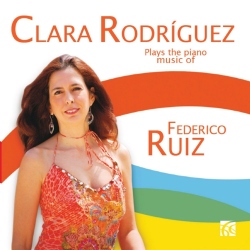
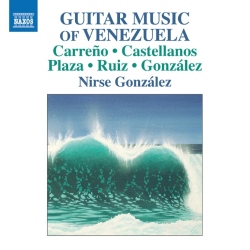
Released Album
Keyboard
-
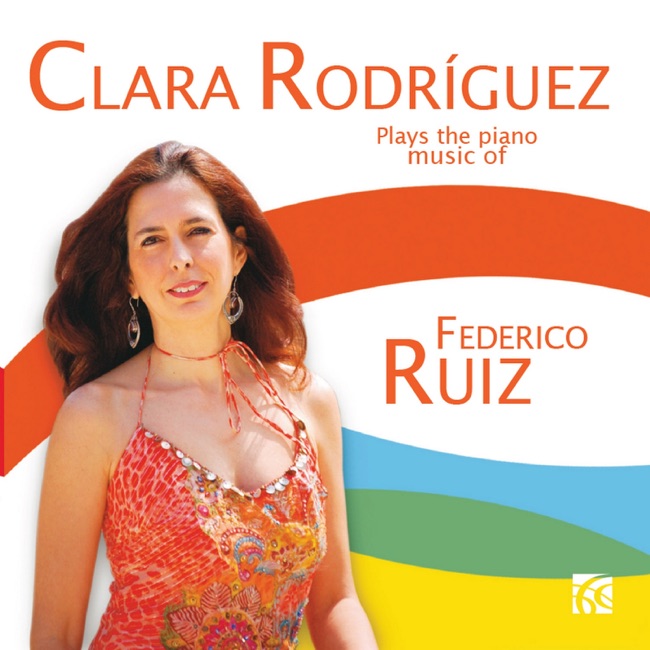 February 13, 2012
 -
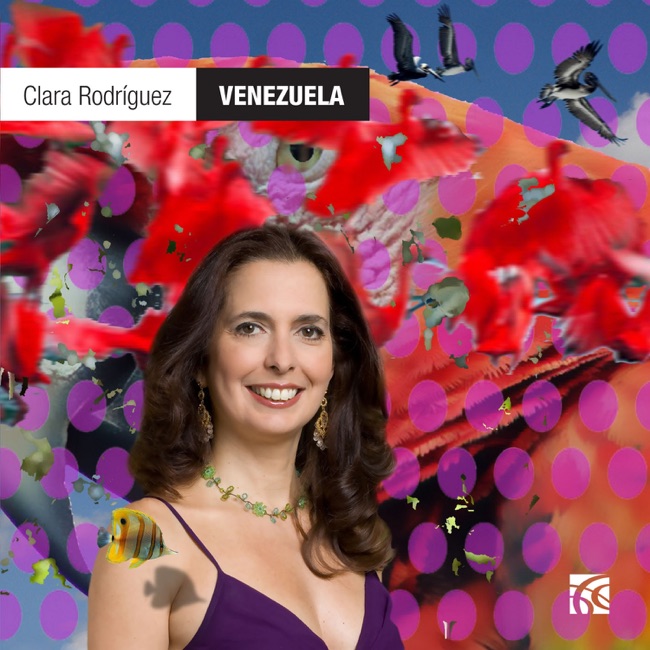 August 10, 2010
Chamber
-
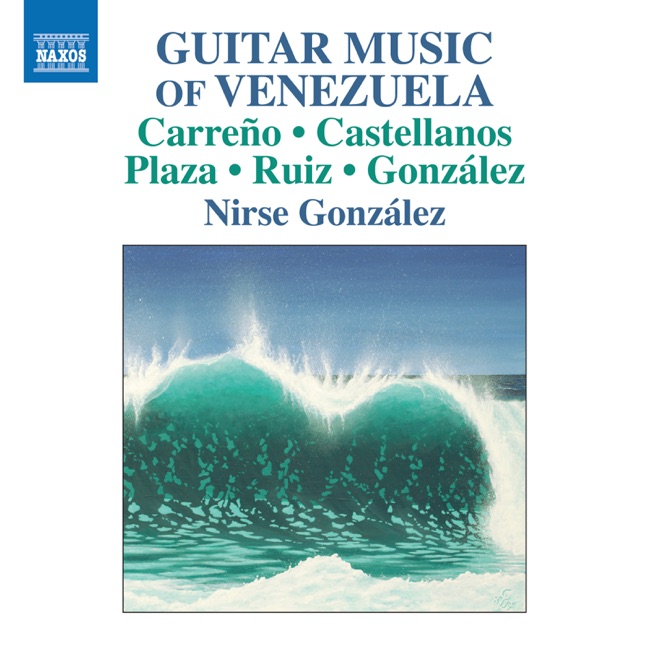 February 9, 2018
Artist Info
Role:ComposerFederico Ruiz was a renowned classical music composer who was born on January 15, 1924, in Madrid, Spain. He was the youngest of three children born to a family of musicians. His father was a pianist, and his mother was a singer. From a young age, Federico showed a keen interest in music and began playing the piano at the age of four. Federico's parents recognized his talent and encouraged him to pursue a career in music. He began taking piano lessons with his father and later studied composition at the Madrid Conservatory. He was a gifted student and quickly gained recognition for his musical abilities. In 1946, Federico moved to Paris to study with the renowned composer Nadia Boulanger. Boulanger was impressed with Federico's talent and encouraged him to continue composing. During his time in Paris, Federico was exposed to a wide range of musical styles and began to develop his own unique voice as a composer. Federico's early works were heavily influenced by the music of his native Spain. He incorporated elements of flamenco and other traditional Spanish music into his compositions, creating a distinctive sound that set him apart from other composers of his time. His early works, such as the Suite Española and the Danzas Españolas, were well-received and helped establish him as a rising star in the classical music world. In the 1950s, Federico began to experiment with new musical forms and styles. He was particularly interested in the music of the Baroque period and began incorporating elements of Baroque music into his compositions. His works from this period, such as the Concerto for Harpsichord and Strings and the Sonata for Violin and Harpsichord, were praised for their innovative use of Baroque techniques. Throughout his career, Federico remained committed to exploring new musical forms and styles. He was particularly interested in the music of the Renaissance and began incorporating elements of Renaissance music into his compositions. His works from this period, such as the Mass for Four Voices and the Motets for Five Voices, were praised for their intricate harmonies and complex polyphonic textures. Federico's later works were characterized by a more experimental approach to composition. He began incorporating elements of electronic music into his compositions, creating a unique sound that was ahead of its time. His works from this period, such as the Electronic Symphony and the Electronic Concerto, were praised for their innovative use of electronic instruments and their groundbreaking approach to composition. Federico's contributions to the world of classical music were significant. He was a prolific composer who wrote over 200 works in a wide range of musical styles. His works were performed by some of the world's leading orchestras and ensembles, and he was widely regarded as one of the most important composers of his time. Federico's legacy continues to live on today. His works are still performed and recorded by musicians around the world, and his influence can be heard in the music of many contemporary composers. He remains an important figure in the history of classical music and a testament to the power of creativity and innovation.More....


Copyright Ⓒ 2013 Davinci Finger. All rights reseved
Service Terms & Policy