


Alfreds Kalnins
Released Album
Vocal
-
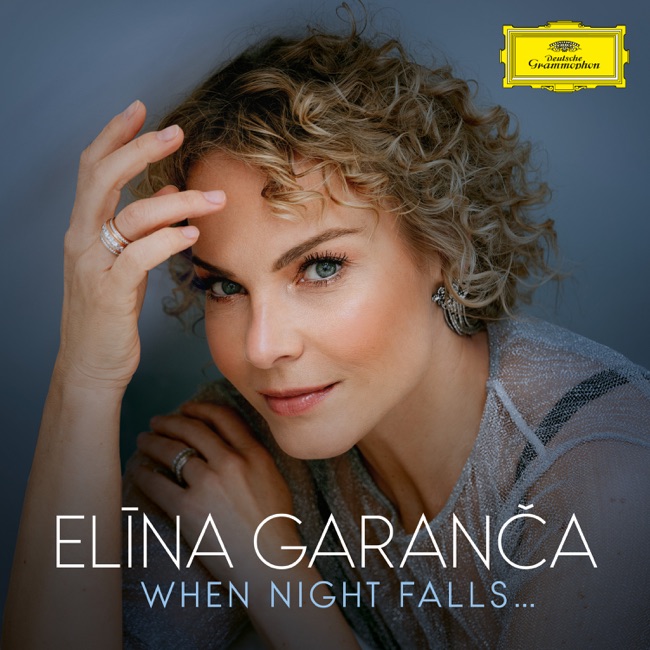 April 12, 2024
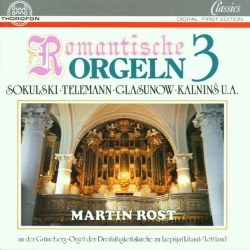
Keyboard
-
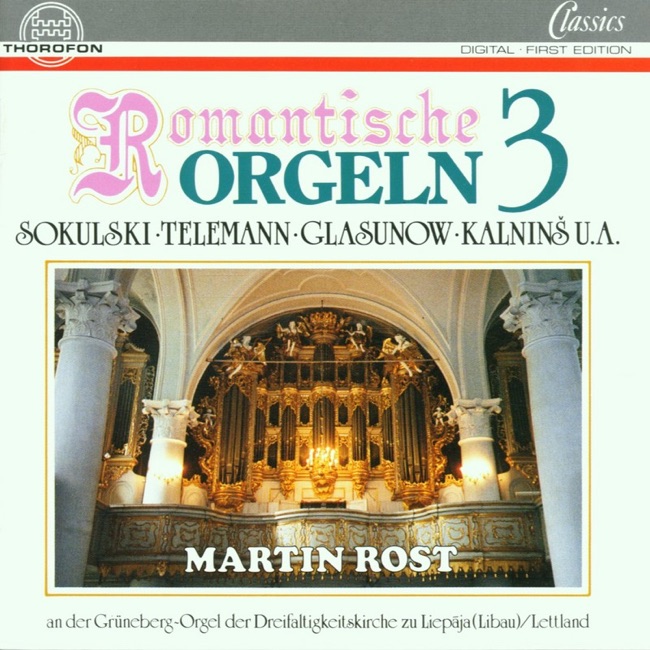 November 15, 2008
Chamber
-
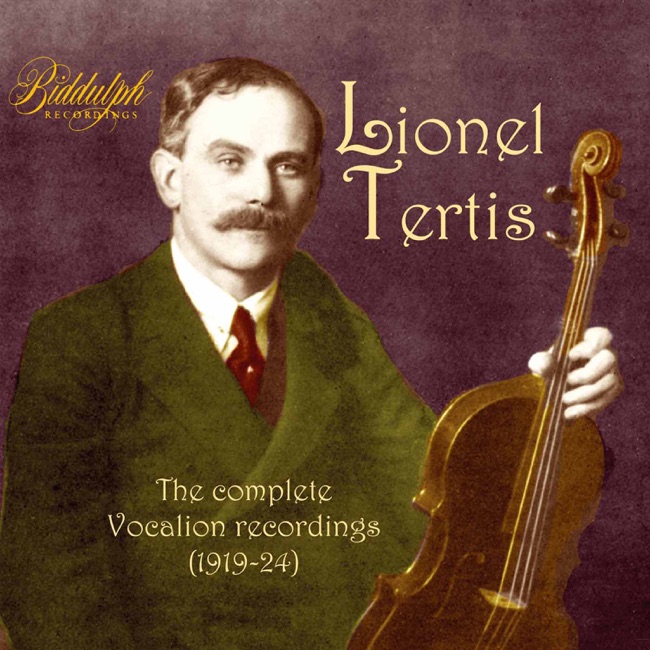 October 2, 2006
Artist Info
Role:ComposerBirth:1879Death:1951Genre:OperaAlfreds Kalnins was a Latvian composer who was born on May 28, 1879, in the small town of Koceni, located in the Vidzeme region of Latvia. He was the son of a local schoolteacher, and his family was musically inclined. His father played the organ, and his mother was a singer. Kalnins showed an early interest in music and began taking piano lessons at the age of six. Kalnins attended the Riga City Conservatory, where he studied composition with Jazeps Vitols, a prominent Latvian composer and music educator. After completing his studies, Kalnins worked as a music teacher and conductor in various towns in Latvia. He also composed music for the theater and for Latvian folk ensembles. In 1918, Latvia declared its independence from Russia, and Kalnins became involved in the cultural and political life of the new nation. He was a member of the Latvian Academy of Sciences and the Latvian Academy of Arts. He also served as the director of the Latvian National Opera from 1920 to 1923. Kalnins is best known for his choral music, which is characterized by its use of Latvian folk melodies and rhythms. His most famous work is the cantata "The Nightingale," which was first performed in 1924. The cantata tells the story of a young girl who falls in love with a nightingale and follows him into the forest. The music is lush and romantic, with soaring melodies and rich harmonies. Kalnins also composed several operas, including "Baiba" (1920), which tells the story of a young woman who is forced to marry a wealthy but cruel man. The opera is notable for its use of Latvian folk music and its depiction of the struggle between tradition and modernity. In addition to his choral and operatic works, Kalnins composed several orchestral pieces, including the "Symphony No. 1" (1925) and the "Symphony No. 2" (1939). The symphonies are characterized by their use of folk melodies and rhythms, as well as their lush orchestration. Kalnins was also a prolific composer of chamber music, including several string quartets and piano trios. His chamber music is notable for its use of Latvian folk melodies and its exploration of the expressive possibilities of small ensembles. Throughout his career, Kalnins was a champion of Latvian culture and music. He believed that music was a powerful tool for expressing the national identity and promoting cultural unity. His music reflects this belief, with its use of Latvian folk melodies and its celebration of the beauty and richness of Latvian culture. Kalnins died on March 24, 1951, in Riga, Latvia. His legacy lives on through his music, which continues to be performed and celebrated in Latvia and around the world. His contributions to Latvian music and culture are significant, and his music remains an important part of the country's cultural heritage.More....

Copyright Ⓒ 2013 Davinci Finger. All rights reseved
Service Terms & Policy