


Samuel Gardner
Released Album
Chamber
-
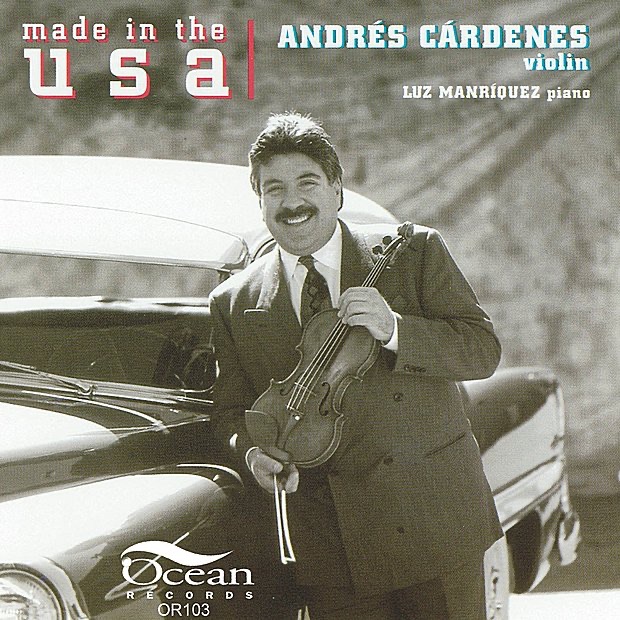 October 6, 2009
 -
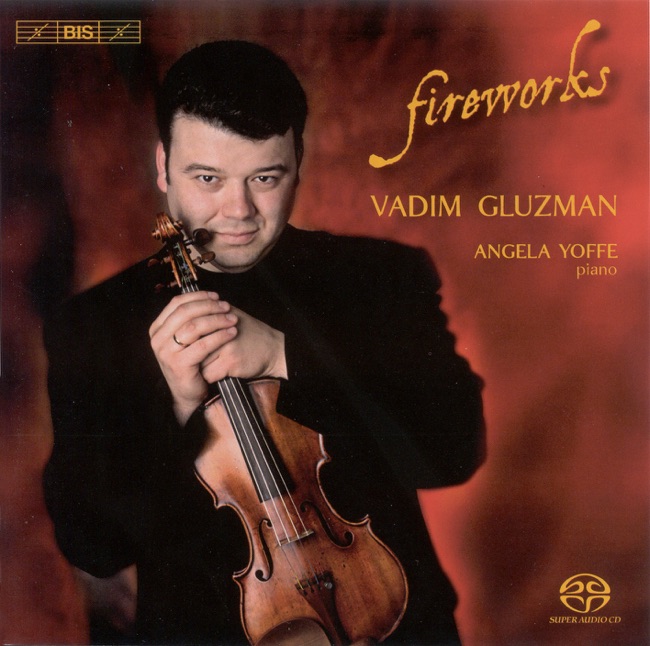 December 9, 2008
 -
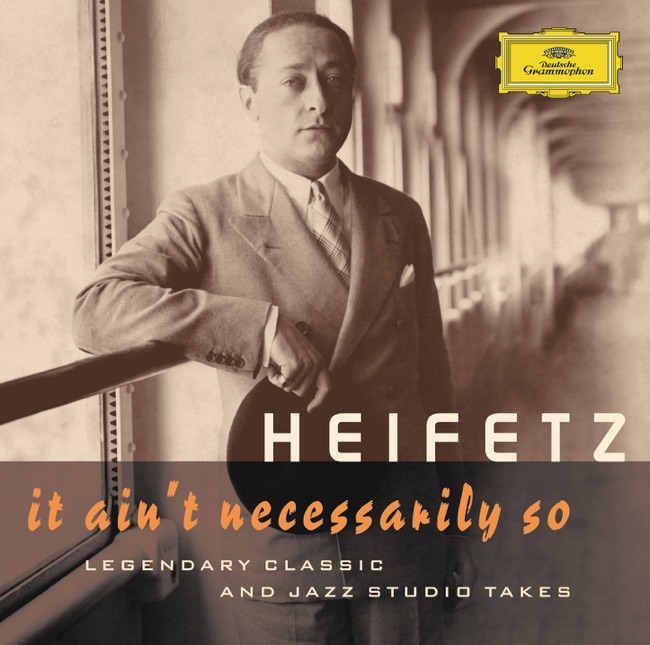 October 10, 2006
 -
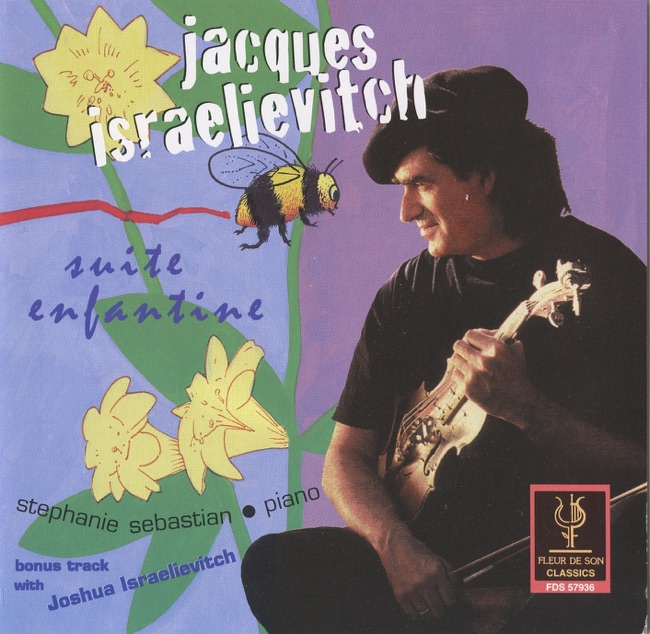 December 2, 1998
Artist Info
Role:ComposerBirth:August 25, 1891Death:January 23, 1984Period:ModernGenre:ChamberSamuel Gardner was a British composer who lived from 1865 to 1948. He was born in Manchester, England, to a family of musicians. His father, William Gardner, was a well-known organist and composer, and his mother, Mary Ann, was a singer. Samuel Gardner showed an early interest in music and began studying the piano and violin at a young age. Gardner's musical education began at the Royal Manchester College of Music, where he studied composition with Charles Hallé and piano with Frederic Lamond. He later continued his studies in Berlin with the renowned composer and conductor, Arthur Nikisch. Gardner's early compositions were influenced by the German Romantic tradition, particularly the music of Brahms and Wagner. In 1890, Gardner was appointed as the organist and choirmaster at St. Ann's Church in Manchester, a position he held for over 40 years. During this time, he composed a number of works for the church, including hymns, anthems, and organ music. He also conducted the church choir, which became known for its high standard of performance. Gardner's first major success as a composer came in 1896 with the premiere of his Symphony No. 1 in D minor. The work was well-received by audiences and critics alike, and established Gardner as a significant figure in British music. The symphony is a large-scale work in four movements, and displays Gardner's skill in orchestration and his ability to create memorable melodies. Over the next few years, Gardner continued to compose orchestral works, including his Symphony No. 2 in A minor, which was premiered in 1901. This work is more introspective than his first symphony, and displays a greater sense of harmonic complexity. Gardner also composed a number of works for chamber ensembles, including his String Quartet No. 1 in D minor, which was premiered in 1903. In 1904, Gardner was appointed as the conductor of the Hallé Orchestra in Manchester, succeeding his former teacher, Charles Hallé. Gardner held this position for 10 years, during which time he conducted a wide range of repertoire, including works by Beethoven, Brahms, and Wagner, as well as contemporary British composers such as Elgar and Vaughan Williams. During his tenure with the Hallé Orchestra, Gardner continued to compose, and his output included a number of works for orchestra, including his Symphony No. 3 in F major, which was premiered in 1908. This work is notable for its use of folk melodies, which Gardner incorporated into the symphonic form in a way that was both innovative and accessible. In addition to his work as a composer and conductor, Gardner was also a respected music educator. He taught composition at the Royal Manchester College of Music, and his students included the composers Alan Rawsthorne and William Walton. Gardner was known for his rigorous approach to teaching, and his emphasis on the importance of craftsmanship and technique in composition. Gardner's later years were marked by a decline in his health, and he composed less frequently in his final years. However, he continued to be active in the musical community, and was a respected figure in British music until his death in 1948. Today, Gardner is perhaps best known for his orchestral works, particularly his three symphonies. His music is characterized by its melodic richness, harmonic complexity, and skillful orchestration.More....

Copyright Ⓒ 2013 Davinci Finger. All rights reseved
Service Terms & Policy