


Manuel Blancafort
Released Album
Keyboard
-
 May 20, 2020
 -
 November 12, 2012
 -
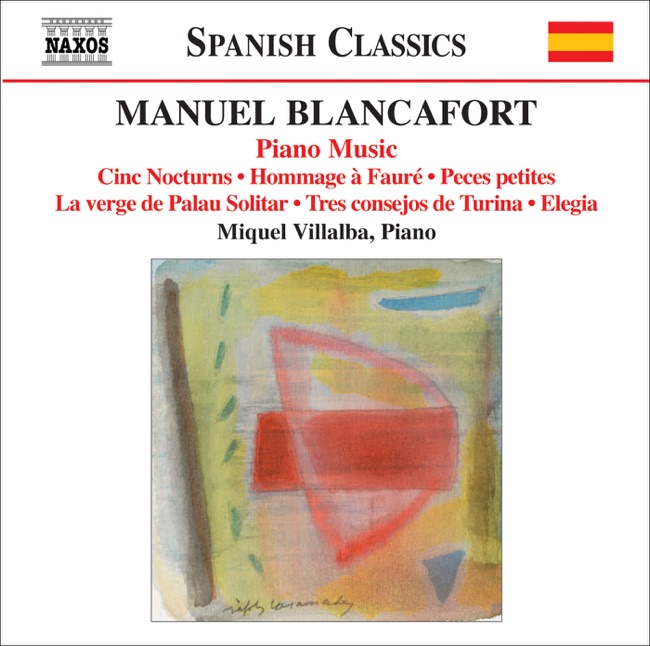 February 23, 2010
 -
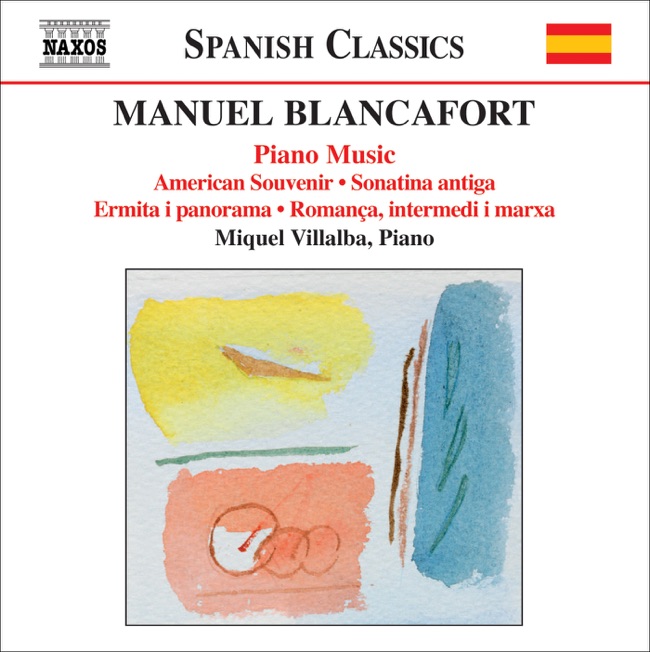 April 29, 2008
 -
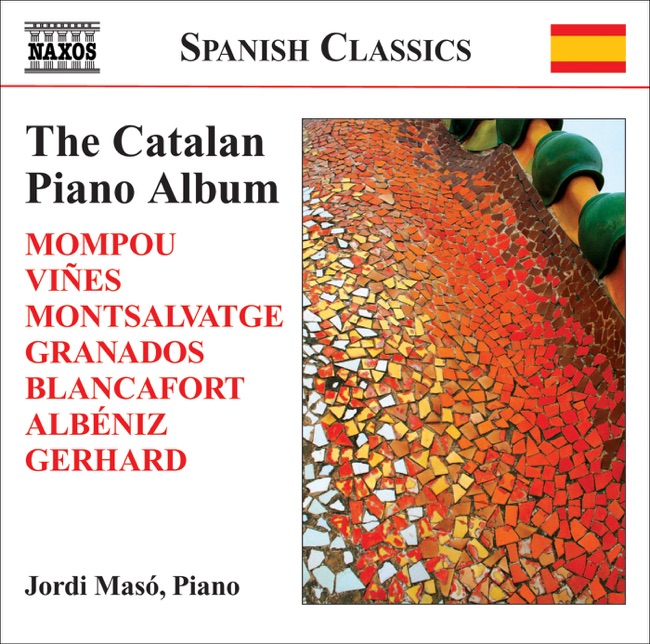 October 30, 2007
 -
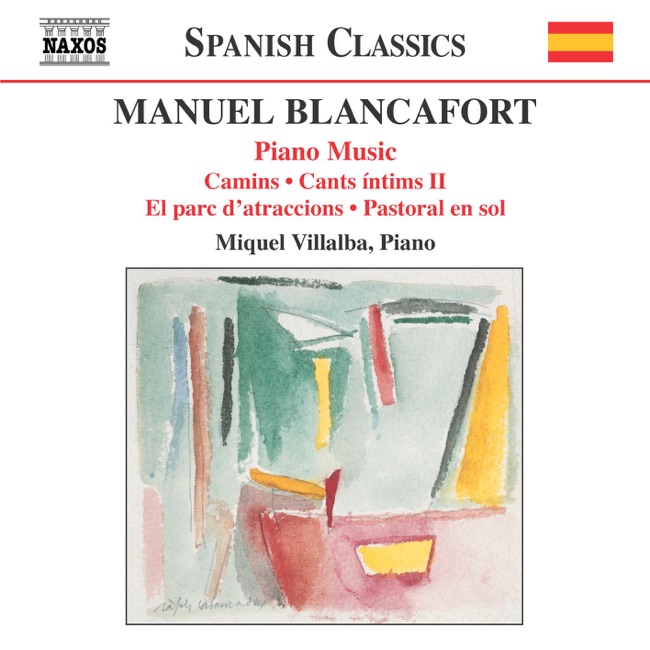 August 16, 2005
Vocal
-
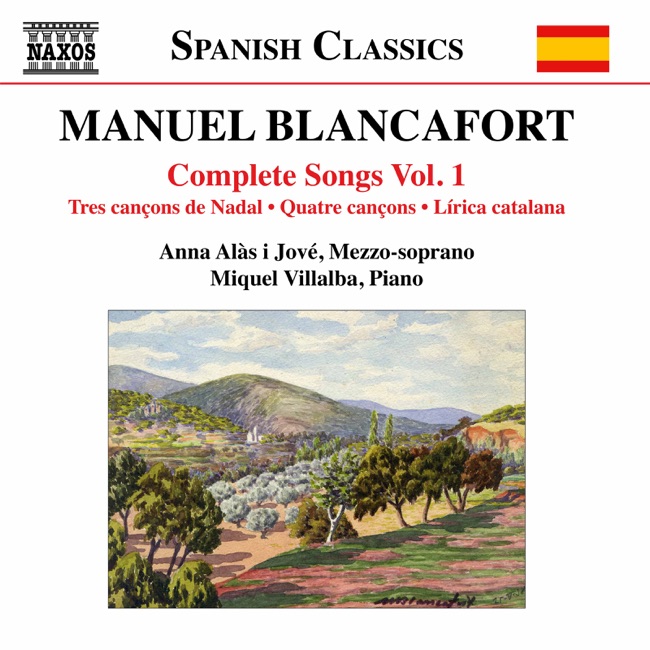 September 8, 2017
 -
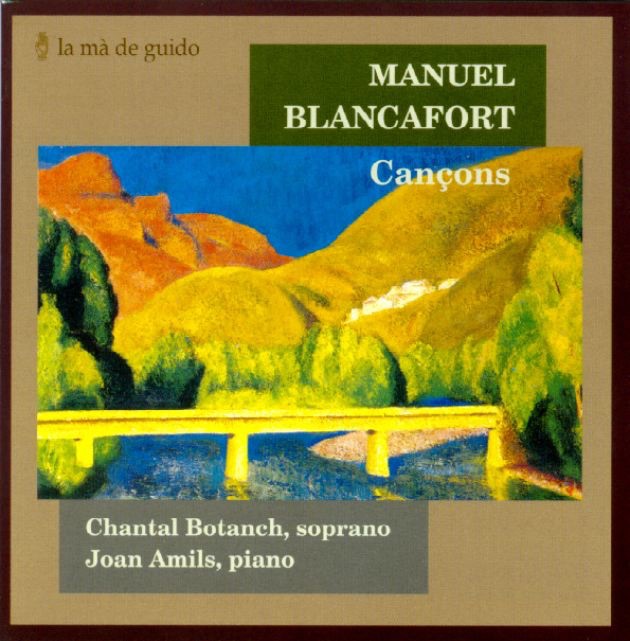 December 2, 1998
Choral
-
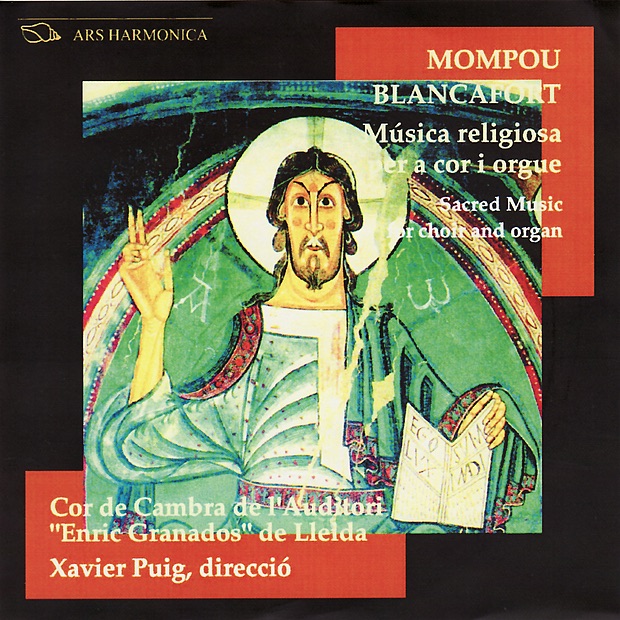 July 26, 2005
Artist Info
Role:ComposerCountry: SpainBirth:August 12, 1897 in La Garriga, Barcelona, SpainDeath:1987 in Barcelona, SpainPeriod:ModernGenre:KeyboardVocalManuel Blancafort i de Rosselló was a Spanish composer born on July 12, 1897, in the town of La Garriga, Catalonia. He was the son of a wealthy family, and his father was a music lover who played the piano and the violin. Blancafort showed an early interest in music and began taking piano lessons at the age of six. He later studied at the Municipal Conservatory of Barcelona, where he was taught by the composer and pianist Frank Marshall. Blancafort's early compositions were influenced by the Catalan folk music he heard in his hometown. He was also inspired by the works of the French Impressionist composers, such as Debussy and Ravel. In 1917, he composed his first major work, a suite for piano called "La Puntaire," which was based on Catalan folk melodies. The suite was well-received and helped establish Blancafort as a promising young composer. In 1920, Blancafort moved to Paris to study with the composer and pianist Ricardo Viñes. While in Paris, he was exposed to the works of Stravinsky, Satie, and other modernist composers. He also met the Spanish poet Federico García Lorca, who became a close friend and collaborator. Blancafort's compositions from this period show the influence of French Impressionism and Spanish folk music, as well as the emerging modernist style. Blancafort returned to Catalonia in 1923 and began teaching at the Municipal Conservatory of Barcelona. He also became involved in the cultural and political movements of the time, which were focused on promoting Catalan identity and autonomy. He composed several works for the Catalan theater, including the opera "La Fill del Rei Barbut" (The Daughter of King Barbut), which premiered in 1926. Blancafort's music from the 1920s and 1930s is characterized by its lyricism, harmonic richness, and use of Catalan folk melodies. He also experimented with new forms and techniques, such as polytonality and atonality. Some of his most notable works from this period include the "Cinc Cançons Populars Catalanes" (Five Catalan Folk Songs) for voice and piano, the "Sonata per a Piano" (Piano Sonata), and the "Sardanes per a Piano" (Sardanas for Piano). In 1936, the Spanish Civil War broke out, and Blancafort's life was profoundly affected by the conflict. He was a supporter of the Republican government and composed several works in support of the cause, including the "Himne de la República" (Anthem of the Republic). However, his music was banned by the Franco regime after the Nationalists won the war in 1939. Blancafort was forced to go into hiding and was unable to perform or publish his music for many years. Despite the political repression, Blancafort continued to compose in secret during the Franco years. He focused on chamber music and wrote several works for small ensembles, including the "Trio per a Piano, Violí i Violoncel" (Piano Trio) and the "Quartet de Corda" (String Quartet). He also composed several works for solo piano, including the "Tres Impromptus" and the "Cinc Preludis." Blancafort's music from the post-war period is characterized by its introspection, simplicity, and emotional depth. He continued to use Catalan folk melodies in his compositions, but his style became more restrained and classical in its approach. He also experimented with new forms, such as the suite and the sonata. Blancafort died on November 7, 1987, in Barcelona, at the age of 90.More....
Recommend Playlist

Copyright Ⓒ 2013 Davinci Finger. All rights reseved
Service Terms & Policy