


Giovanni M. Rutini
Released Album
Keyboard
-
-
 August 12, 2014
Artist Info
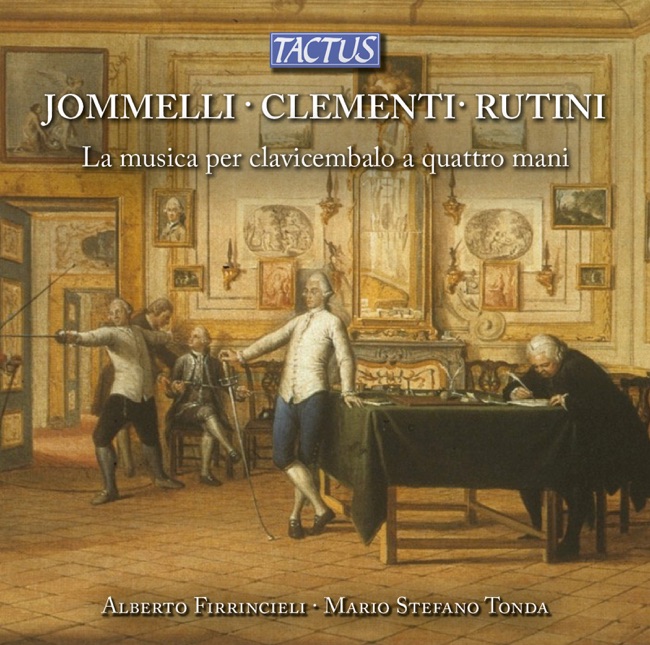
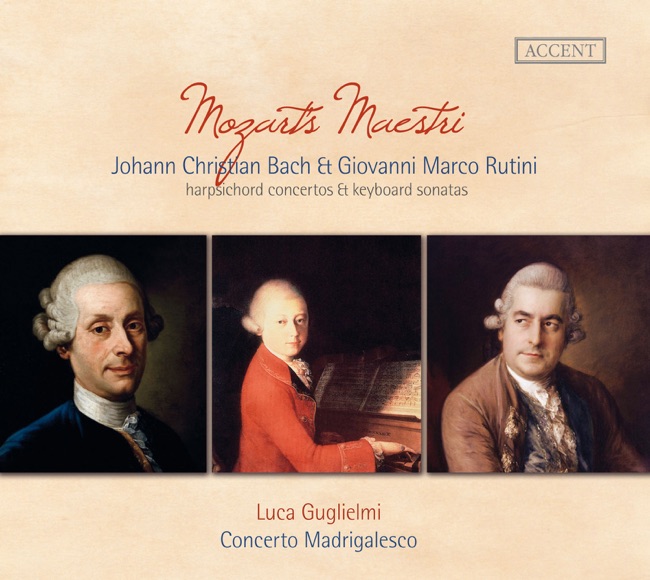
Role:ComposerBirth:1723Death:1797Giovanni M. Rutini was a classical music composer born in Florence, Italy in 1723. He was the son of a musician and grew up in a musical family. His father, Francesco Rutini, was a composer and violinist who worked for the Grand Duke of Tuscany. Giovanni showed an early interest in music and began studying the violin and composition at a young age. Rutini's musical education continued at the Conservatorio di Santa Maria degli Angeli in Florence, where he studied under the renowned composer Giovanni Battista Martini. Martini was a strict teacher who emphasized the importance of counterpoint and harmony in composition. Rutini excelled in his studies and soon became one of Martini's star pupils. After completing his studies at the conservatory, Rutini began working as a composer and violinist in Florence. He quickly gained a reputation as a talented musician and was soon commissioned to write music for various events and occasions. In 1750, he was appointed as the maestro di cappella (music director) at the Basilica di San Lorenzo in Florence, a position he held for the rest of his life. Rutini's music was heavily influenced by the Baroque style, which was popular in Italy during his lifetime. His compositions were characterized by their intricate counterpoint, rich harmonies, and expressive melodies. He wrote music in a variety of genres, including opera, oratorio, chamber music, and sacred music. One of Rutini's most famous works is his opera "Il Merope," which premiered in Florence in 1753. The opera tells the story of Merope, the queen of Messenia, who is forced to choose between her duty to her people and her love for her son. The opera was a critical and commercial success and was performed throughout Italy. Rutini also wrote a number of oratorios, which were popular in Italy during the 18th century. His oratorio "La Passione di Gesù Cristo" (The Passion of Jesus Christ) was particularly well-received and was performed in churches throughout Italy. The oratorio tells the story of the crucifixion of Jesus Christ and features arias, choruses, and recitatives. In addition to his operas and oratorios, Rutini also wrote a number of chamber music works, including sonatas for violin and harpsichord. His chamber music was characterized by its virtuosic violin writing and intricate counterpoint. Rutini's sacred music was also highly regarded and was performed in churches throughout Italy. His "Missa Solemnis" (Solemn Mass) is a particularly notable work, featuring intricate choral writing and expressive melodies. Despite his success as a composer, Rutini's personal life was marked by tragedy. He lost his wife and two children to illness, and he himself suffered from poor health in his later years. He died in Florence in 1797 at the age of 74. Today, Rutini is remembered as one of the most important composers of the Italian Baroque era. His music is still performed and recorded by musicians around the world, and his legacy continues to inspire new generations of composers and musicians.More....
Recent Artist Music
Copyright Ⓒ 2013 Davinci Finger. All rights reseved
Service Terms & Policy