


Edward M. Nassor
Released Album
Choral
-
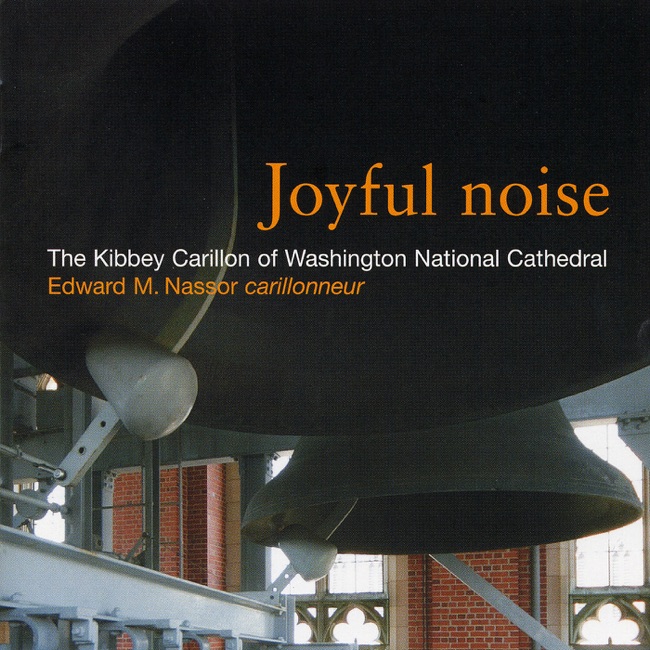 September 28, 2010
 -
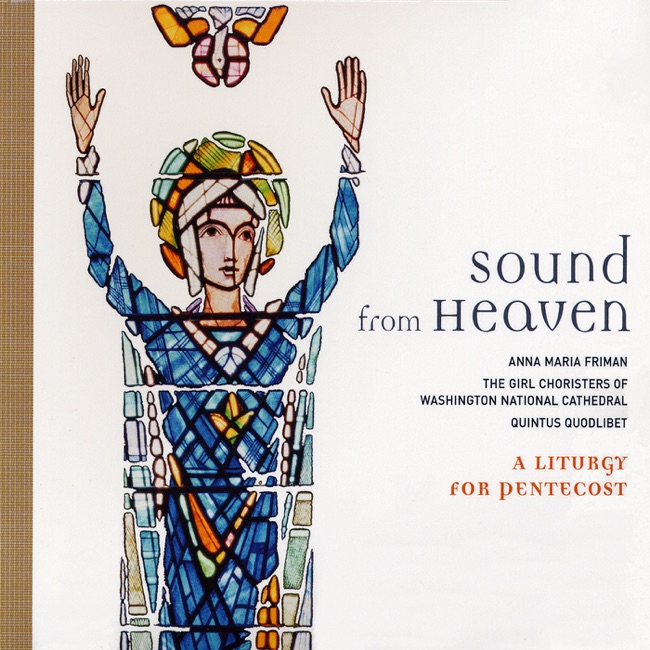 April 13, 2010
Artist Info
Role:Composer PerformerEdward M. Nassor was a classical music composer who was born on May 12, 1925, in New York City. He was the son of a violinist and a pianist, and his parents recognized his musical talent at an early age. Nassor began playing the piano when he was just four years old, and by the time he was a teenager, he was already composing his own music. Nassor's parents encouraged his musical pursuits, and he went on to study at the Juilliard School of Music in New York City. He studied composition with some of the most renowned composers of the time, including Aaron Copland and Leonard Bernstein. Nassor was a gifted student, and he quickly gained a reputation as a talented composer. After completing his studies at Juilliard, Nassor began his career as a composer. He wrote music for a variety of mediums, including orchestras, chamber ensembles, and solo instruments. His music was known for its complexity and its use of unconventional harmonies and rhythms. One of Nassor's early works was his Piano Sonata No. 1, which he composed in 1950. The piece was well-received by critics, who praised its technical virtuosity and its emotional depth. Nassor continued to compose music throughout the 1950s and 1960s, and his works were performed by some of the most prestigious orchestras and ensembles in the world. In 1967, Nassor composed his Symphony No. 1, which was premiered by the New York Philharmonic under the direction of Leonard Bernstein. The symphony was a major success, and it cemented Nassor's reputation as one of the most important composers of his generation. The piece was known for its use of unconventional harmonies and its complex rhythms, and it was praised for its emotional depth and its technical virtuosity. Nassor continued to compose music throughout the 1970s and 1980s, and his works continued to be performed by some of the most prestigious orchestras and ensembles in the world. One of his most famous works from this period was his String Quartet No. 2, which he composed in 1978. The piece was known for its use of unconventional harmonies and its complex rhythms, and it was praised for its emotional depth and its technical virtuosity. In addition to his work as a composer, Nassor was also a respected music educator. He taught at several universities throughout his career, including the Juilliard School of Music and the Manhattan School of Music. He was known for his innovative teaching methods and his ability to inspire his students to reach their full potential. Nassor's music was known for its complexity and its use of unconventional harmonies and rhythms. He was influenced by a variety of musical styles, including jazz, rock, and traditional classical music. His works were often characterized by their emotional depth and their technical virtuosity, and they were praised for their ability to connect with audiences on a deep and meaningful level. Nassor continued to compose music until his death in 1995. His legacy as a composer and educator lives on, and his works continue to be performed and studied by musicians and music lovers around the world. He was a true innovator in the world of classical music, and his contributions to the art form will be remembered for generations to come.More....
Recent Artist Music
Copyright Ⓒ 2013 Davinci Finger. All rights reseved
Service Terms & Policy