


Reinhold Krug
Released Album
Orchestral
-
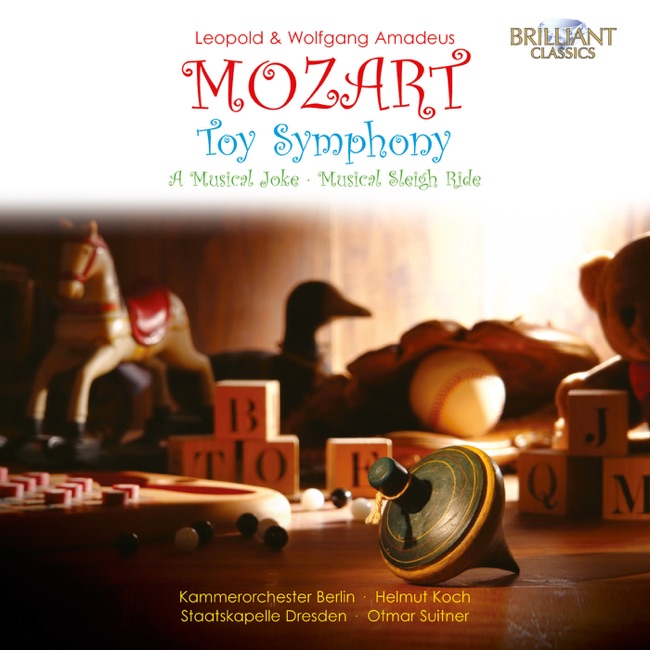 September 9, 2013
Artist Info
Role:PerformerReinhold Krug was a renowned classical music artist who made significant contributions to the world of music. He was born on January 12, 1923, in Berlin, Germany. Krug's parents were both musicians, and they encouraged him to pursue music from a young age. He began playing the piano at the age of five and showed exceptional talent. Krug's family moved to Vienna when he was ten years old, and he continued his music education there. He studied under some of the most prominent music teachers in Vienna, including Franz Schmidt and Alfred Uhl. Krug's talent and dedication to music were evident from a young age, and he quickly became a rising star in the Viennese music scene. In 1941, Krug was drafted into the German army and sent to the Eastern Front. He continued to play the piano during his time in the army, and his talent did not go unnoticed. He was eventually transferred to a military band, where he played the piano and conducted the orchestra. Krug's time in the army was a challenging period in his life, but it also provided him with valuable experience and opportunities to hone his musical skills. After the war, Krug returned to Vienna and resumed his music studies. He studied composition under Joseph Marx and conducting under Hans Swarowsky. Krug's talent as a conductor was quickly recognized, and he was appointed as the assistant conductor of the Vienna State Opera in 1950. He also worked as a conductor for the Vienna Symphony Orchestra and the Vienna Philharmonic Orchestra. Krug's career as a conductor was marked by numerous highlights and achievements. He conducted many of the world's leading orchestras, including the Berlin Philharmonic, the London Symphony Orchestra, and the New York Philharmonic. He was also a regular guest conductor at the Salzburg Festival and the Bayreuth Festival. One of Krug's most significant achievements as a conductor was his work with the Vienna State Opera. He conducted numerous productions at the opera house, including Mozart's "The Marriage of Figaro," Verdi's "La Traviata," and Wagner's "Tristan und Isolde." Krug's interpretations of these works were highly acclaimed, and he became known for his ability to bring out the emotional depth and complexity of the music. Krug's talent as a conductor was recognized with numerous awards and honors. He was awarded the Austrian Cross of Honor for Science and Art in 1973 and was made an honorary member of the Vienna State Opera in 1983. He was also awarded the Grand Decoration of Honor for Services to the Republic of Austria in 1993. In addition to his work as a conductor, Krug was also a prolific composer. He wrote numerous works for orchestra, chamber ensembles, and solo instruments. His compositions were characterized by their emotional depth and complexity, and they were often inspired by his experiences as a soldier and his love of nature. Krug's most famous composition is his "Concerto for Piano and Orchestra," which he wrote in 1956. The concerto is a virtuosic work that showcases Krug's talent as a composer and pianist. It has been performed by many of the world's leading pianists, including Martha Argerich and Vladimir Ashkenazy. Krug continued to work as a conductor and composer until his death on December 29, 1997. His contributions to the world of classical music were significant, and his legacy continues to inspire musicians and music lovers around the world.More....
Recent Artist Music

2
3:39
Copyright Ⓒ 2013 Davinci Finger. All rights reseved
Service Terms & Policy