


Aminollah Hossein
Released Album
Orchestral
-
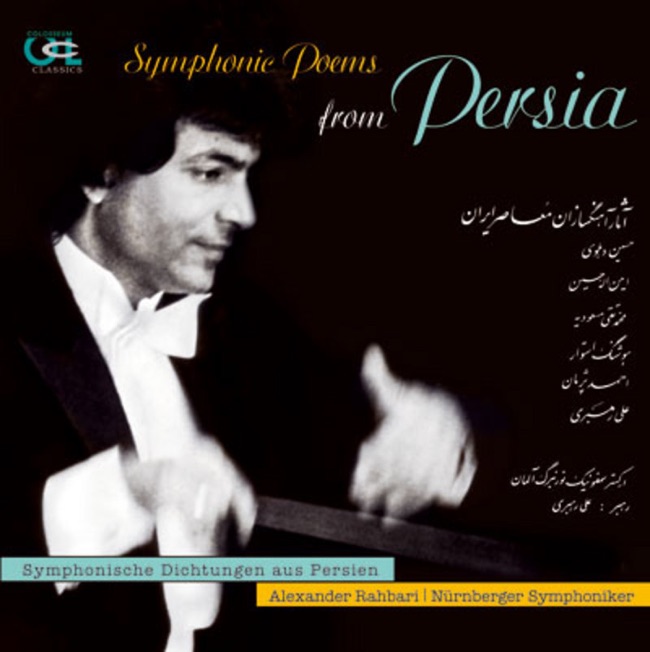 November 15, 2008
Keyboard
-
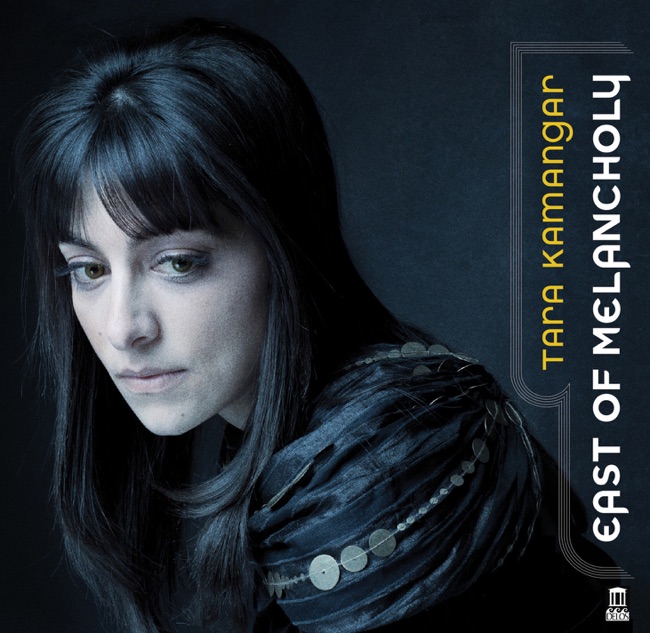 June 10, 2014
Artist Info
Role:ComposerBirth:1905 in SamarkandeDeath:1983 in Paris, FranceAminollah Hossein was a prominent Iranian composer of classical music. He was born on January 17, 1905, in Tehran, Iran. Hossein was born into a family of musicians, and his father, Ali-Naqi Vaziri, was a renowned musician and composer. Hossein's father was instrumental in introducing Western classical music to Iran, and he played a significant role in the development of Iranian classical music. Hossein began his musical training at a young age, and he showed a natural talent for music. He studied under his father and other prominent musicians in Iran, including Darvish Khan and Mirza Abdollah. Hossein's father was a strict teacher, and he demanded perfection from his son. Hossein's training was rigorous, and he spent many hours practicing and studying music theory. Hossein's early compositions were heavily influenced by his father's work, and he often used traditional Iranian melodies in his music. However, as he grew older, Hossein began to incorporate Western classical music into his compositions. He was particularly interested in the works of composers such as Bach, Beethoven, and Mozart. Hossein's first major composition was a suite for piano, which he composed when he was just 16 years old. The suite was well-received, and it established Hossein as a talented composer. Over the next few years, Hossein continued to compose music, and he began to gain a reputation as one of Iran's most promising young composers. In 1928, Hossein traveled to Europe to study music. He spent several years in Paris, where he studied under the renowned composer Nadia Boulanger. Boulanger was impressed by Hossein's talent, and she encouraged him to continue composing music that combined Iranian and Western classical music. While in Paris, Hossein composed several works that were inspired by Iranian folk music. One of his most famous works from this period is the "Persian Suite," which was premiered in Paris in 1930. The suite was a critical success, and it helped to establish Hossein as a leading composer of Iranian classical music. After returning to Iran in 1932, Hossein continued to compose music and teach music theory. He became a professor at the Tehran Conservatory of Music, where he taught many of Iran's most talented young musicians. Hossein was a demanding teacher, but he was also deeply committed to his students, and he worked tirelessly to help them develop their skills. Hossein's compositions from this period were often inspired by Iranian poetry and literature. He was particularly interested in the works of the Persian poet Hafez, and he composed several works that were based on Hafez's poetry. One of his most famous works from this period is the "Hafez Suite," which was premiered in Tehran in 1943. In addition to his work as a composer and teacher, Hossein was also a prominent musicologist. He was deeply interested in the history of Iranian classical music, and he spent many years researching and documenting the music of Iran. Hossein's research was instrumental in preserving many traditional Iranian melodies and compositions. Hossein continued to compose music and teach until his death in 1983. Over the course of his career, he composed over 100 works, including symphonies, concertos, and chamber music. His music was deeply influenced by Iranian culture and history, and he played a significant role in the development of Iranian classical music. Today, Hossein is remembered as one of Iran's greatest composers.More....
Recent Artist Music
Copyright Ⓒ 2013 Davinci Finger. All rights reseved
Service Terms & Policy