


Vilmos Montag
Released Album
Chamber
-
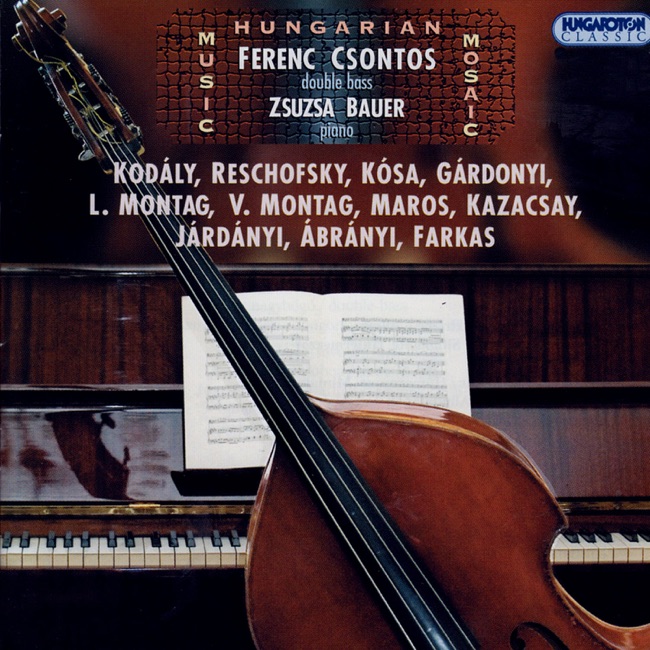 October 27, 2005
 -
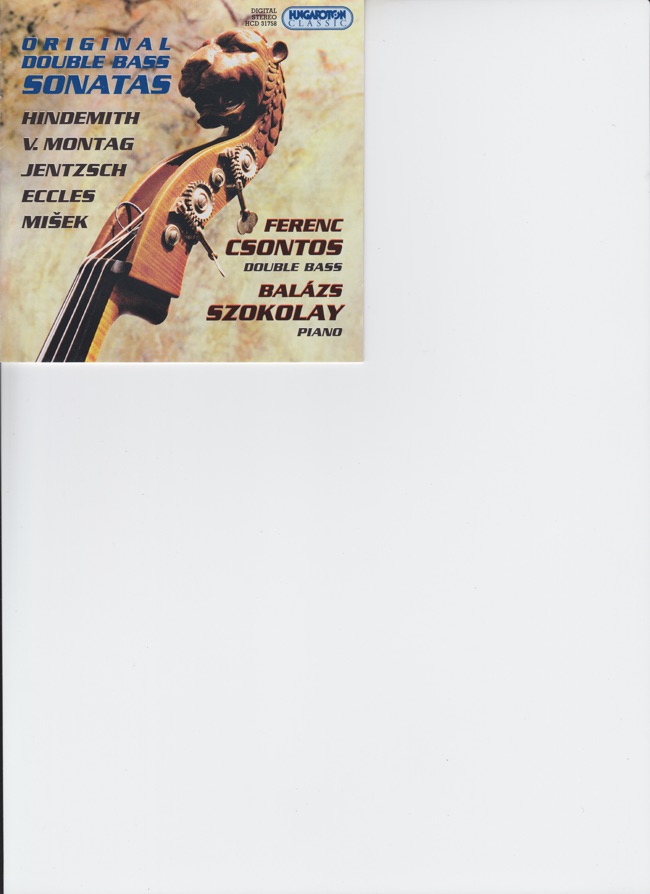 January 1, 1999
Artist Info
Role:ComposerBirth:1908Death:1991Genre:ChamberVilmos Montag was a Hungarian composer who lived from 1904 to 1979. He was born in Budapest, Hungary, and showed an early interest in music. His parents recognized his talent and encouraged him to pursue his passion for music. Montag began his musical education at the Franz Liszt Academy of Music in Budapest, where he studied composition with Zoltán Kodály and piano with Béla Bartók. Montag's early compositions were heavily influenced by the folk music of Hungary. He was particularly interested in the music of the Roma people, and he incorporated elements of their music into his own compositions. Montag's music was characterized by its use of complex rhythms and harmonies, as well as its emotional intensity. Montag's first major work was his Piano Concerto, which he composed in 1928. The concerto was well-received by audiences and critics alike, and it established Montag as a major figure in Hungarian music. Montag continued to compose throughout the 1930s, and his works during this period were marked by their use of Hungarian folk music. In 1940, Montag was drafted into the Hungarian army and sent to fight in World War II. He was captured by the Soviet Union in 1944 and spent the remainder of the war in a prisoner-of-war camp. During his time in captivity, Montag continued to compose music, using whatever materials he could find. His music during this period was marked by its simplicity and its use of traditional folk melodies. After the war, Montag returned to Hungary and resumed his career as a composer. He continued to compose music that was heavily influenced by Hungarian folk music, but he also began to incorporate elements of modernism into his work. Montag's music during this period was characterized by its use of dissonance and its exploration of new tonalities. Montag's most famous work is his Symphony No. 3, which he composed in 1956. The symphony was written in response to the Hungarian Uprising, which had taken place earlier that year. The symphony is a powerful and emotional work that reflects the turmoil and uncertainty of the time. It is considered to be one of Montag's greatest works, and it has been performed by orchestras around the world. Montag continued to compose music throughout the 1960s and 1970s, but his output slowed down as he grew older. He died in Budapest in 1979, leaving behind a legacy of music that continues to be celebrated today. Montag's music is characterized by its emotional intensity, its use of Hungarian folk music, and its exploration of new tonalities. He is considered to be one of the most important composers of 20th-century Hungarian music.More....
Copyright Ⓒ 2013 Davinci Finger. All rights reseved
Service Terms & Policy