


Hermeto Pascoal
Released Album
Miscellaneous
-
 June 14, 2024
Chamber
-
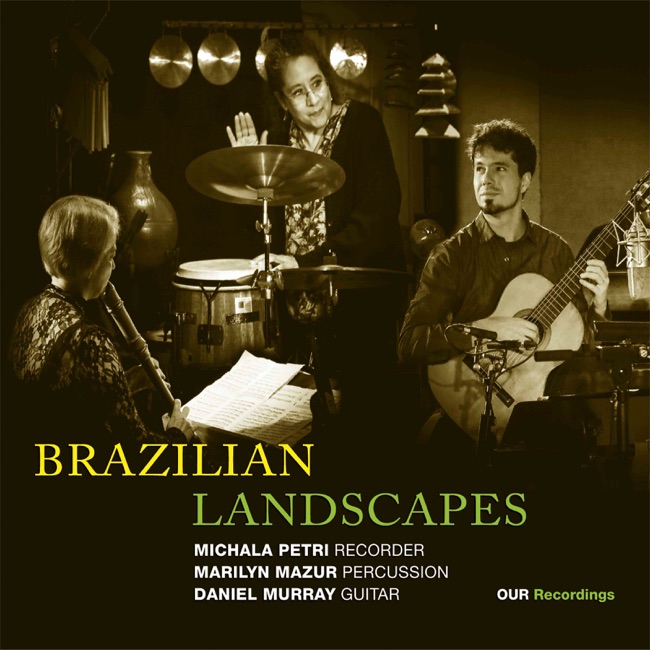 July 7, 2017
 -
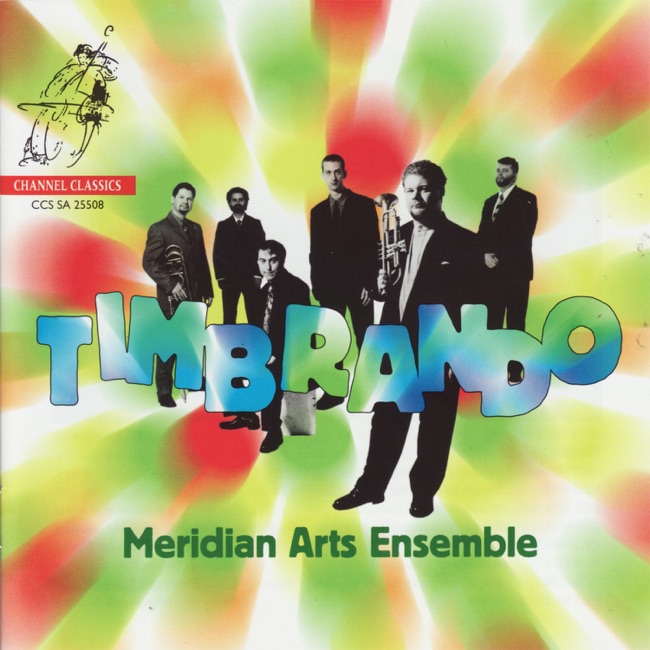 August 12, 2008
 -
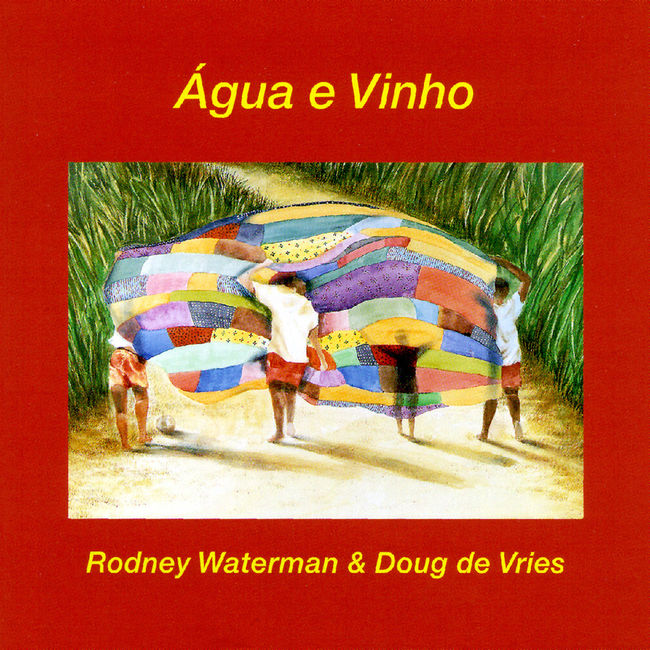 January 29, 2001
 -
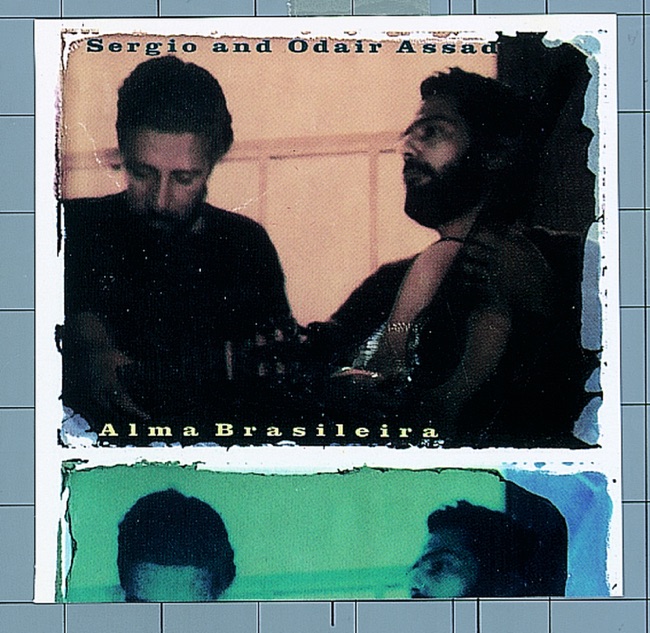 1988
1988
Artist Info
Role:ComposerCountry: BrazilBirth:June 22, 1936 in Lagoa da Canoa, Alagoas, BrazilHermeto Pascoal is a Brazilian composer and multi-instrumentalist who has made significant contributions to the world of classical music. Born on June 22, 1936, in Lagoa da Canoa, Alagoas, Brazil, Pascoal grew up in a musical family and began playing the accordion at a young age. He was also exposed to traditional Brazilian music, which would later influence his compositions. Pascoal's musical career began in the 1950s when he joined the group of renowned Brazilian musician Luiz Gonzaga. He played the accordion and other instruments in Gonzaga's band, which helped him gain recognition as a talented musician. In the 1960s, Pascoal moved to Rio de Janeiro, where he became involved in the emerging Brazilian jazz scene. Pascoal's compositions are known for their unique blend of Brazilian rhythms, jazz harmonies, and avant-garde experimentation. He is also known for his use of unconventional instruments, such as water, toys, and kitchen utensils, in his compositions. Pascoal's music is often described as "experimental" or "eclectic," as he draws from a wide range of musical styles and influences. One of Pascoal's most famous compositions is "Música da Lagoa," which he wrote in the 1970s. The piece is named after his hometown of Lagoa da Canoa and features a variety of Brazilian rhythms, including baião, samba, and frevo. The piece also includes a section where Pascoal and his bandmates play instruments made from water, such as glasses and bowls. Another notable composition by Pascoal is "Montreux Jazz Festival," which he wrote in 1979. The piece was inspired by Pascoal's performance at the Montreux Jazz Festival in Switzerland and features a fusion of Brazilian and jazz styles. The piece also includes a section where Pascoal and his bandmates play instruments made from toys, such as whistles and horns. Pascoal has released numerous albums throughout his career, including "Slaves Mass" (1977), "Zabumbê-bum-á" (1979), and "Festa dos Deuses" (1992). He has also collaborated with a variety of musicians, including Miles Davis, Carlos Santana, and Gilberto Gil. In addition to his work as a composer and musician, Pascoal is also known for his teaching and mentoring of young musicians. He has taught at the Federal University of Rio de Janeiro and has led workshops and masterclasses around the world. Pascoal's contributions to the world of classical music have been recognized with numerous awards and honors. In 2001, he was awarded the Latin Grammy Lifetime Achievement Award for his contributions to Brazilian music. He has also been recognized by the Brazilian government with the Order of Cultural Merit and the Order of Rio Branco. Despite his many accomplishments, Pascoal remains humble and dedicated to his craft. He continues to compose and perform music, and his influence can be heard in the work of many contemporary Brazilian musicians.More....
Recent Artist Music

Copyright Ⓒ 2013 Davinci Finger. All rights reseved
Service Terms & Policy