


Egerton Manuscript 3307 Anonymous
Released Album
Choral
-
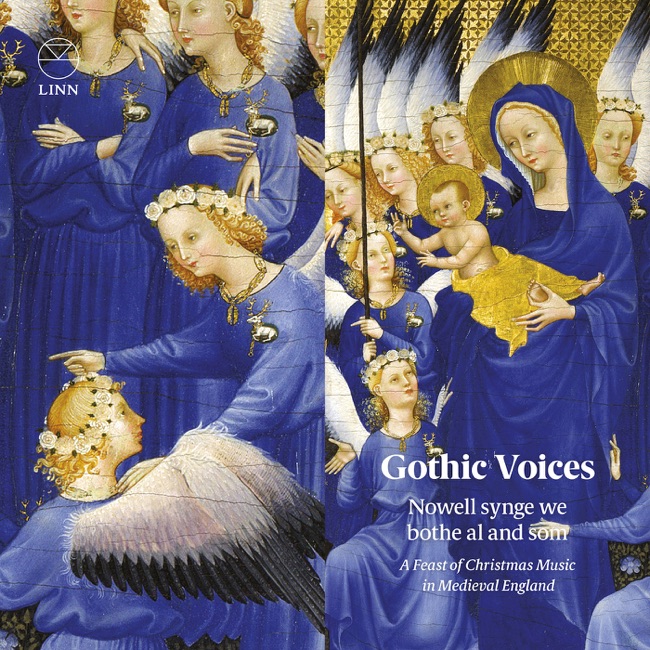 November 8, 2019
 -
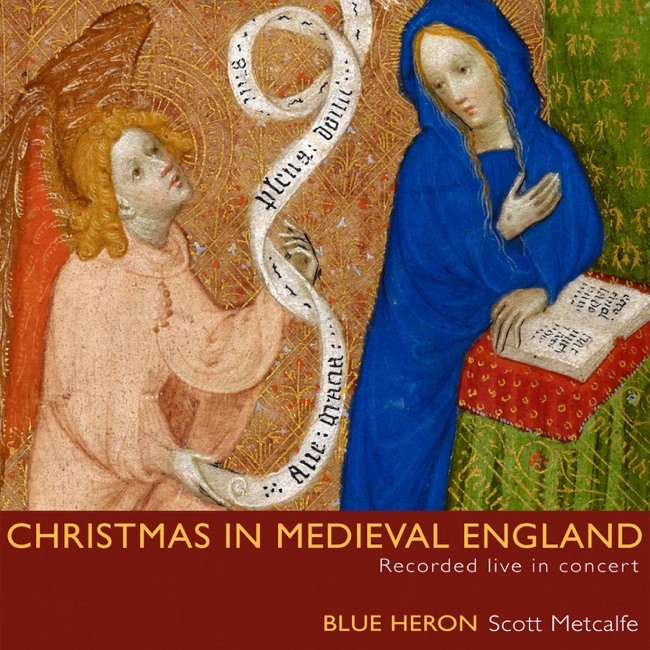 October 9, 2015
 -
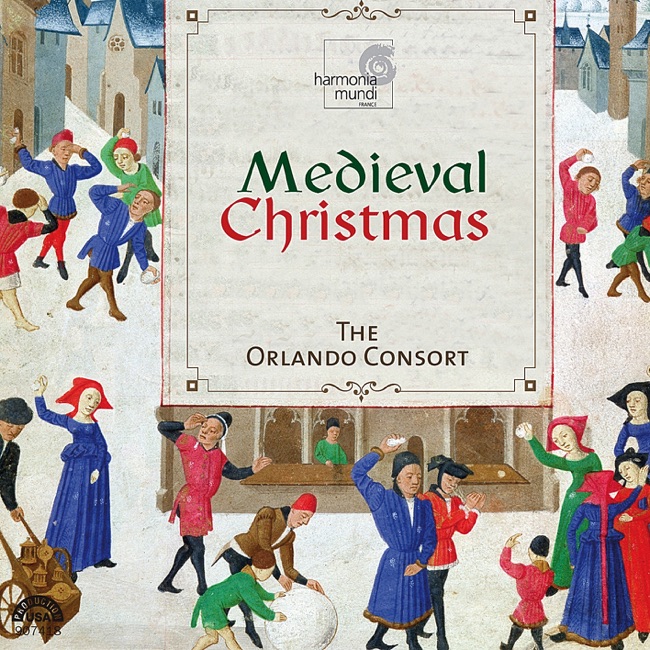 October 24, 2011
 -
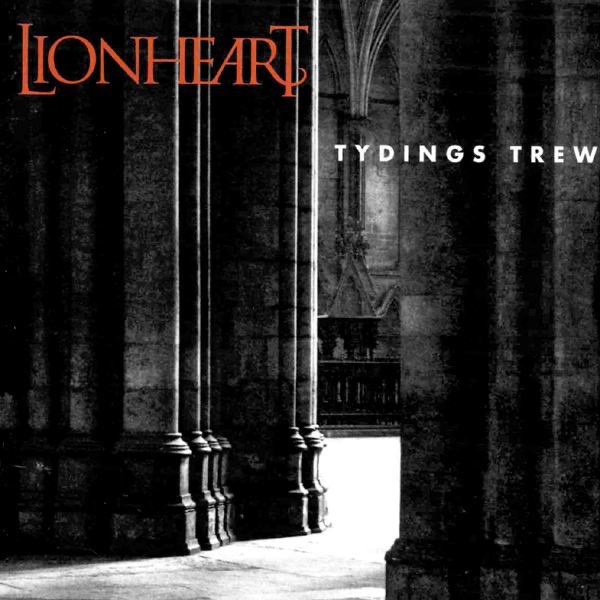 October 7, 2003
Artist Info
Role:ComposerCountry: United KingdomBirth:1430 in Windsor, Berkshire, EnglandDeath:1444 in Windsor, Berkshire, EnglandPeriod:MedievalGenre:VocalEgerton Manuscript 3307 Anonymous is a classical music composer whose identity remains unknown to this day. The manuscript, which contains a collection of medieval English polyphonic music, was discovered in the late 19th century in the library of the Earl of Egerton. The manuscript is believed to have been compiled in the early 15th century, making it a valuable source of information about the music of that time. Little is known about the birth and growth of Egerton Manuscript 3307 Anonymous, as the composer's identity is shrouded in mystery. However, it is believed that the composer was likely a member of the English clergy, as many of the pieces in the manuscript are religious in nature. The composer may have also been associated with a particular church or cathedral, as some of the pieces in the manuscript are associated with specific locations. Despite the lack of information about the composer's life, the music contained in Egerton Manuscript 3307 Anonymous is a testament to the composer's skill and creativity. The manuscript contains a wide variety of pieces, including hymns, motets, and carols. Many of the pieces are written in multiple parts, with intricate harmonies and counterpoint that demonstrate the composer's mastery of polyphonic music. One of the highlights of Egerton Manuscript 3307 Anonymous's composed works is the piece "Sumer is icumen in," which is one of the earliest examples of English polyphonic music. The piece is a round, with multiple voices singing the same melody at different times to create a complex and beautiful harmony. "Sumer is icumen in" is a celebration of the arrival of summer, with lyrics that describe the beauty of the season and the joy it brings. Another notable piece in the manuscript is "Alleluia: A newe work," which is a setting of the Alleluia chant. The piece is written in four parts, with each part singing a different melody that weaves together to create a rich and complex texture. "Alleluia: A newe work" is a testament to the composer's skill in creating intricate and beautiful music that is both religious and artistic. Other pieces in the manuscript include "Edi beo thu hevene quene," which is a hymn to the Virgin Mary, and "Foweles in the frith," which is a lively and joyful song about birds in the forest. Each piece in the manuscript is unique and showcases the composer's creativity and skill. Despite the fact that the composer's identity remains unknown, Egerton Manuscript 3307 Anonymous's music has had a lasting impact on the world of classical music. The manuscript is a valuable source of information about medieval English polyphonic music, and the composer's skill and creativity continue to inspire musicians and composers to this day.More....
Copyright Ⓒ 2013 Davinci Finger. All rights reseved
Service Terms & Policy