


José Zárate
Released Album
Keyboard
-
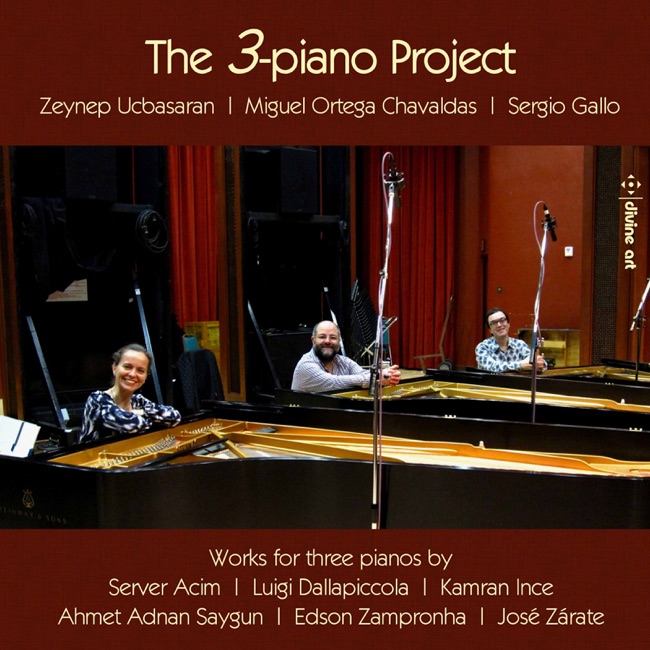 September 11, 2020
 -
 August 28, 2012
Artist Info
Role:ComposerBirth:1972 in Madrid, SpainPeriod:ContemporaryJosé Zárate was a Mexican composer and pianist who lived from 1882 to 1949. He was born in the city of Guadalajara, Jalisco, Mexico, on March 19, 1882. His parents were both musicians, and they encouraged him to pursue music from a young age. Zárate began studying piano with his mother when he was just four years old, and he showed a natural talent for the instrument. As a child, Zárate performed in public for the first time at the age of six, and he continued to give concerts throughout his youth. He studied music at the National Conservatory of Music in Mexico City, where he was a student of the renowned composer and pianist Carlos Chávez. Zárate also studied in Europe, where he was exposed to the works of the great classical composers of the time. Zárate's early compositions were influenced by the Romantic style of music, which was popular in the late 19th and early 20th centuries. He wrote a number of piano pieces, including waltzes, mazurkas, and nocturnes, which were well-received by audiences. In 1906, Zárate won first prize in a national competition for his piano piece "La Primavera" (Spring). In addition to his work as a composer, Zárate was also a talented pianist. He gave concerts throughout Mexico and Europe, and he was known for his virtuosic performances. Zárate was particularly admired for his ability to play the works of other composers with great sensitivity and nuance. Zárate's music continued to evolve throughout his career. In the 1920s, he began to incorporate elements of Mexican folk music into his compositions. This was part of a larger movement in Mexican music at the time, which sought to create a distinct national style that reflected the country's cultural heritage. Zárate's use of folk music was particularly effective, and his works in this style are some of his most memorable. One of Zárate's most famous works is his "Suite Mexicana," which was composed in 1921. The suite consists of five movements, each of which is based on a different Mexican folk song. The suite is notable for its use of traditional Mexican rhythms and melodies, which give the work a distinctly national character. The "Suite Mexicana" remains one of Zárate's most popular works, and it is still performed frequently today. Another notable work by Zárate is his "Concerto for Piano and Orchestra," which was composed in 1935. The concerto is a virtuosic showcase for the piano, and it is notable for its use of Mexican folk melodies and rhythms. The work was premiered by the Mexico City Symphony Orchestra, with Zárate himself as the soloist. The concerto was well-received by audiences and critics, and it remains one of Zárate's most important works. Zárate's music was not without controversy, however. In the 1930s, he became involved in a heated debate over the direction of Mexican music. Some critics accused him of being too influenced by European music, and they argued that he was not doing enough to promote a distinct Mexican style. Zárate defended himself vigorously, arguing that his music was a reflection of his own personal style, and that he was not obligated to conform to anyone else's expectations. Despite the controversy, Zárate remained a respected figure in Mexican music until his death in 1949. His music continues to be performed and recorded today, and he is remembered as one of the most important composers of his time.More....
Recent Artist Music


Copyright Ⓒ 2013 Davinci Finger. All rights reseved
Service Terms & Policy